PM Modi Holds Bilateral Talks With World Leaders at G7 in Evian
Synopsis
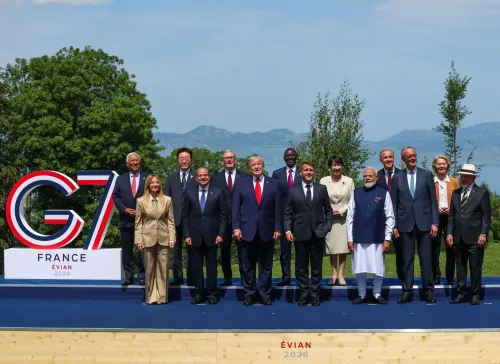
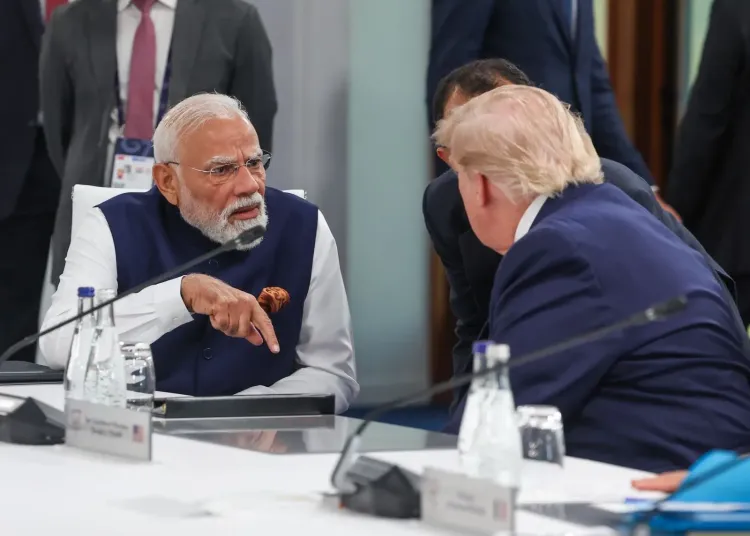
Prime Minister Narendra Modi held a series of interactions with world leaders at the G7 Summit in Evian, France, on 16 June 2026, reinforcing India's multi-alignment foreign policy and its growing engagement with the Group of Seven economies.
Key Takeaways
Prime Minister Narendra Modi held bilateral interactions with world leaders at the G7 Summit in Evian, France on 16 June 2026 .
India has been a recurring guest at G7 summits since 2019 , reflecting its growing global stature.
Modi previously attended the G7 outreach session in Hiroshima, Japan in 2023 .
The G7 comprises Canada, France, Germany, Italy, Japan, the United Kingdom , and the United States .
India's participation is consistent with its multi-alignment foreign policy — engaging key Western economies without binding to any single bloc.
Bilateral follow-ups and joint statements from the Evian interactions are expected to shape India's upcoming multilateral engagements.
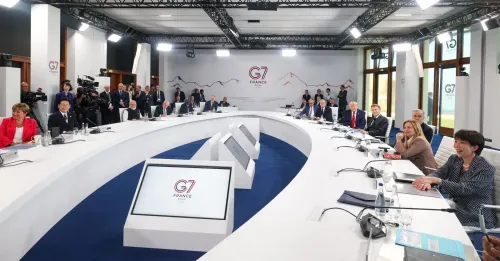
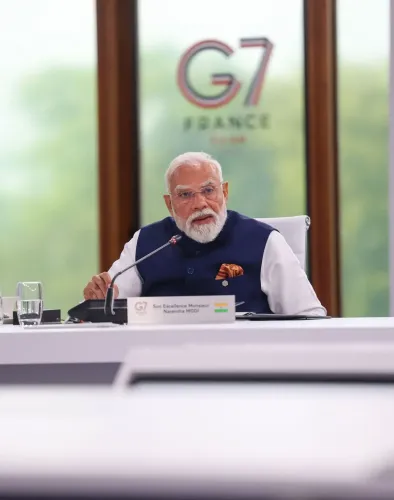
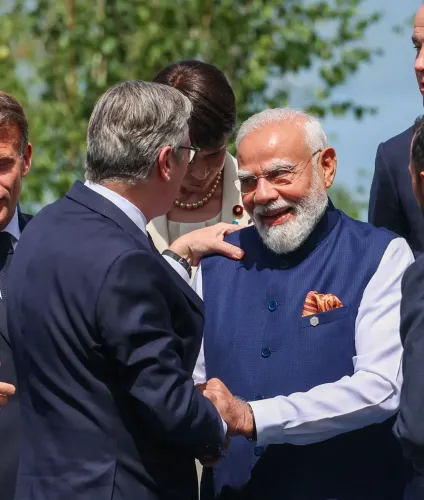
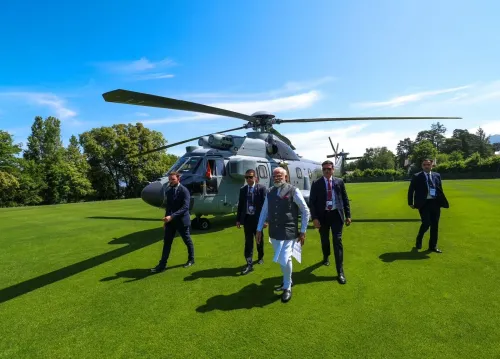
Prime Minister Narendra Modi continued his diplomatic engagements at the G7 Summit in Evian, France, holding a series of interactions with world leaders on Tuesday, 16 June 2026. The meetings, conducted on the sidelines of the summit, reflect India's sustained engagement with the Group of Seven's leading economies.
Context
India has been a recurring guest at G7 summits since 2019, when Prime Minister Modi first attended the outreach session in Biarritz, France. The invitations underscore India's growing stature as a major economy and its relevance to discussions on global trade, climate action, and geopolitical stability. Most recently, Modi participated in the G7 outreach session in Hiroshima, Japan in 2023.
The G7 — comprising Canada, France, Germany, Italy, Japan, the United Kingdom, and the United States — holds its annual leaders' summit to coordinate policy on pressing global challenges. Guest nations such as India are invited to engage on shared priorities, particularly those where emerging economies have a decisive role to play.
Policy Backdrop
India's repeated presence at G7 outreach sessions is consistent with its multi-alignment foreign policy posture — maintaining active partnerships across Western capitals, the Global South, and beyond without binding itself to any single bloc. These engagements give New Delhi a platform to articulate positions on issues ranging from energy transition to debt relief for developing nations.
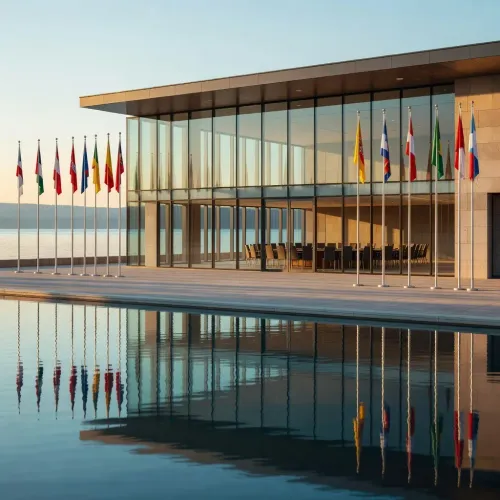
The choice of Evian as a summit venue carries historical resonance: the town hosted the G8 Summit in 2003, making it a familiar site for high-stakes multilateral diplomacy. France, as a G7 member and frequent host of international forums, has been a consistent partner in India's outreach to European capitals.
Stakeholders and Impact
The bilateral interactions at Evian involve G7 heads of government and state, with Indian diplomats facilitating the engagements on the sidelines. For India, such meetings offer an opportunity to advance bilateral agendas — trade agreements, technology partnerships, defence cooperation — outside the formal multilateral framework.
For G7 nations, India's participation signals recognition of its weight as the world's most populous country and one of the fastest-growing major economies. The outcomes of these interactions often set the tone for follow-up ministerial meetings and joint working groups in subsequent months.
What's Next
Diplomatic watchers will look for any bilateral statements or joint communiqués emerging from Modi's meetings at Evian, which could shape India's positioning ahead of future multilateral engagements including upcoming G20 sessions. The depth and breadth of the interactions at this summit are likely to inform the next phase of India's outreach to advanced economies, particularly on climate financing and global supply chain realignment.
Point of View
Without formally joining them. Each bilateral interaction at a forum like Evian serves a dual purpose: advancing specific bilateral agendas and reinforcing the narrative of India as an indispensable partner. The multi-alignment doctrine, once dismissed as strategic ambiguity, has matured into a recognised asset that both Western and non-Western capitals now work to accommodate. The diplomatic returns from these summit sidelines — in the form of investment commitments, technology transfer agreements, and geopolitical understandings — will be the true measure of this engagement.
NationPress
15 Sept 2026
Frequently Asked Questions
Why is PM Modi attending the G7 Summit in Evian?
Prime Minister Modi is attending the G7 Summit in Evian, France as a guest leader. India is not a G7 member but has received recurring invitations to the summit's outreach sessions since 2019 , reflecting its importance as a major emerging economy.
Is India a member of the G7?
No, India is not a member of the G7 . The group comprises Canada, France, Germany, Italy, Japan, the United Kingdom , and the United States . India participates as an invited guest for outreach sessions.
Which G7 summits has PM Modi attended before?
PM Modi attended the G7 outreach session in Biarritz, France in 2019 and in Hiroshima, Japan in 2023 , among other summits.
What does India discuss at G7 summits?
India typically engages on topics such as global trade, climate action, debt relief for developing nations, technology partnerships, and geopolitical stability during G7 outreach sessions.
What is India's foreign policy approach at multilateral forums like the G7?
India follows a multi-alignment foreign policy — maintaining active partnerships with Western capitals, the Global South, and other blocs without binding itself exclusively to any single alliance or grouping.