CM Dhami: India Now Third-Largest Startup Ecosystem
Synopsis
Uttarakhand Chief Minister Pushkar Singh Dhami has declared India the world's third-largest startup ecosystem, stating that major global nations are astonished by the country's progress. The remarks, shared by the official CMO on 30 May 2026, connect state leadership to the national narrative on entrepreneurship and innovation growth.
Key Takeaways
The Chief Minister's Office of Uttarakhand shared remarks by CM Pushkar Singh Dhami on 30 May 2026 declaring India the world's third-largest startup ecosystem.
Dhami stated that 'the world's great nations are astonished witnessing India's progress,' framing the milestone as a moment of global recognition.
India's startup growth is underpinned by the Startup India initiative launched in 2016 , along with ease-of-doing-business reforms pursued since 2014 .
Key beneficiaries include tech startups, entrepreneurs, and first-generation founders across India, with implications for smaller states like Uttarakhand seeking investment.
Annual global innovation and startup ecosystem reports will be the next credibility test for the government's third-place ranking claim.
The Chief Minister's Office of Uttarakhand on Saturday, 30 May 2026 shared remarks by Chief Minister Pushkar Singh Dhami highlighting India's rise to become the world's third-largest startup ecosystem, with Dhami noting that major nations are watching India's progress with astonishment.
Context
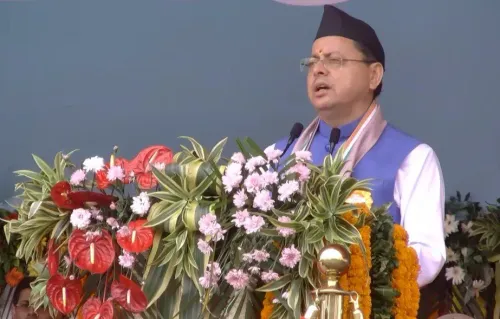
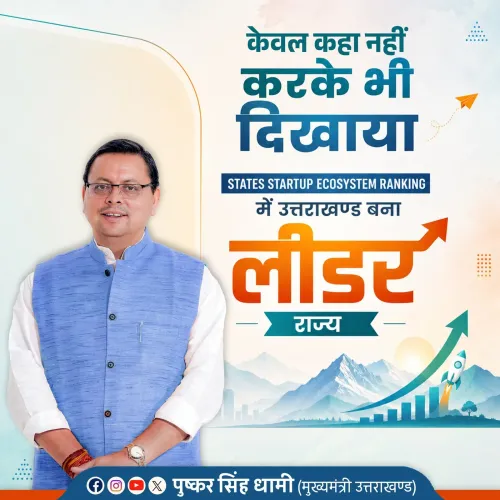
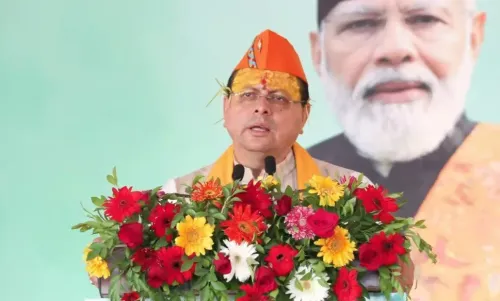
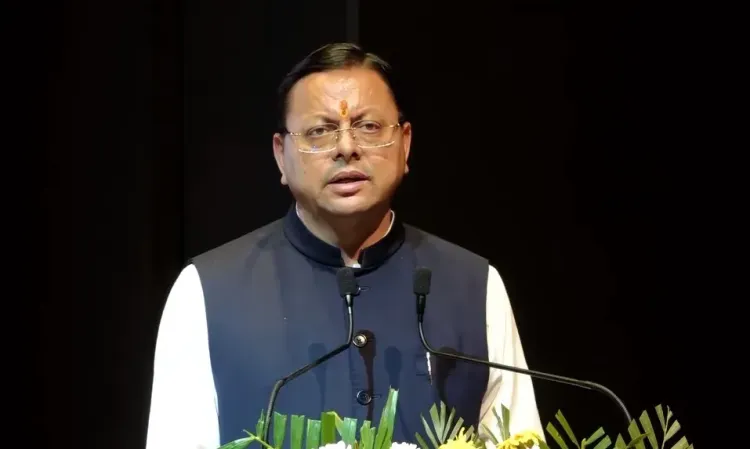
Chief Minister Dhami was quoted as saying: 'Aaj Bharat duniya ka teesra sabse bada eco system wala desh ban gaya hai' ('Today India has become the country with the third-largest ecosystem in the world'). He added that 'vishwa ke aaj bade-bade desh Bharat ki tarakki ko dekh achambhit hain' — 'today the world's great nations are astonished witnessing India's progress.' The statement was shared by the official CMO account alongside an image, underscoring the Uttarakhand government's alignment with the national narrative on economic and entrepreneurial growth.
Policy Backdrop
India's ascent in the global startup rankings has its roots in the Startup India initiative, launched in January 2016, which introduced tax exemptions, simplified compliance norms, and a dedicated fund-of-funds to channel capital into early-stage ventures. Successive central government policies since 2014 have emphasised ease of doing business, digital public infrastructure, and innovation funding, steadily lifting India's standing in global entrepreneurship indices.
These structural reforms attracted international venture capital and enabled the emergence of a large cohort of technology-driven companies across sectors including fintech, edtech, healthtech, and logistics. The cumulative effect has drawn sustained commentary from global investors and multilateral institutions on India's growth trajectory in innovation and startup activity.
Stakeholders and Impact
The primary beneficiaries of this ecosystem growth are tech startups and entrepreneurs across India, who gain access to deeper pools of domestic and foreign capital, stronger mentorship networks, and more favourable regulatory conditions. For a state like Uttarakhand, which has been working to position itself as a destination for investment and industry, such national-level recognition reinforces the broader pitch to entrepreneurs and investors.
The statement also carries significance for young job-seekers and first-generation entrepreneurs in smaller cities and hill states, for whom an expanding startup ecosystem can mean new pathways outside traditional employment. International investors and trade partners watching India's economic trajectory are likely to note the political emphasis being placed on this milestone.
What's Next
Attention will now turn to forthcoming global innovation and startup reports — including annual assessments by industry bodies tracking startup ecosystems — which will either substantiate or contextualise the claim of India holding the third position globally. At the state level, observers will watch whether Uttarakhand follows up with specific policy announcements or investment summits aligned with this national momentum. Any new central or state-level startup incentive packages in the coming months could lend further weight to the government's narrative of India as a preferred destination for entrepreneurial activity.
Point of View
Dhami signals alignment with the broader 'New India' development narrative ahead of potential investor outreach. The framing — that the world watches India with astonishment — is rhetorically potent but will face scrutiny once updated global ecosystem rankings are published. The statement also reflects how startup and innovation discourse has moved from being a niche tech-sector conversation to a mainstream political talking point in Indian governance.
NationPress
14 Oct 2026
Frequently Asked Questions
Is India the third-largest startup ecosystem in the world?
Chief Minister Pushkar Singh Dhami claimed on 30 May 2026 that India has become the world's third-largest startup ecosystem. India has consistently ranked among the top three globally in startup count and funding activity, supported by the Startup India initiative since 2016, though exact rankings vary by report and methodology.
What is the Startup India initiative?
Startup India was launched by the central government in January 2016 to foster entrepreneurship through tax benefits, simplified compliance, and a fund-of-funds for early-stage investment. It is widely credited with accelerating the growth of India's startup base.
What did Uttarakhand CM Pushkar Dhami say about India's startup ecosystem?
CM Dhami said, 'Today India has become the country with the third-largest ecosystem in the world,' and added that major nations are astonished watching India's progress, as quoted by the official Chief Minister's Office of Uttarakhand on 30 May 2026.
Which countries have larger startup ecosystems than India?
Globally, the United States and China are typically ranked first and second in startup ecosystem size by funding volume and number of unicorns. India is widely recognised as third, though specific rankings depend on the methodology used by individual reports.
How has India's startup growth happened?
India's startup growth has been driven by government policy reforms since 2014 — including ease of doing business measures and digital public infrastructure — alongside the Startup India programme, growing domestic consumption, and significant inflows of domestic and foreign venture capital.