CM Dhami: Youth Is India's Greatest Capital
Synopsis
Chief Minister Pushkar Singh Dhami's office declared on 20 June 2026 that youth power is India's greatest capital, reinforcing Uttarakhand's push to retain and empower its young population through skill development and employment creation.
Key Takeaways
CM Pushkar Singh Dhami stated on 20 June 2026 that youth power is India's greatest capital .
The statement was posted by the official Chief Minister's Office of Uttarakhand on X.
Uttarakhand , a Himalayan state established in 2000 , faces significant youth out-migration to plains cities.
The messaging aligns with central schemes including Skill India (2015) and Startup India , which BJP-ruled states have actively promoted.
Key sectors for youth opportunity in Uttarakhand include tourism, hydropower, agri-tech, and industrial corridors .
Observers will track whether the statement leads to concrete youth skill or self-employment scheme announcements .
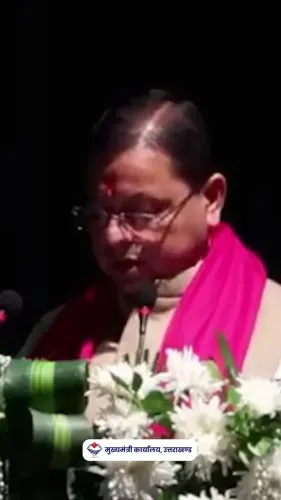
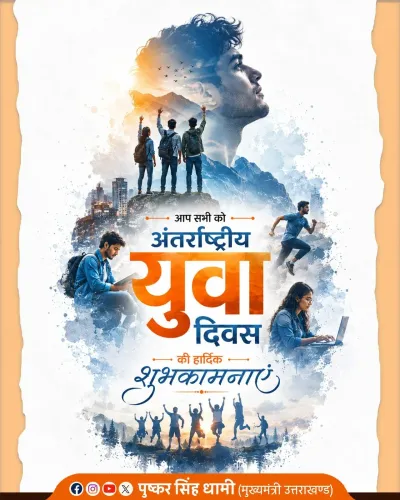
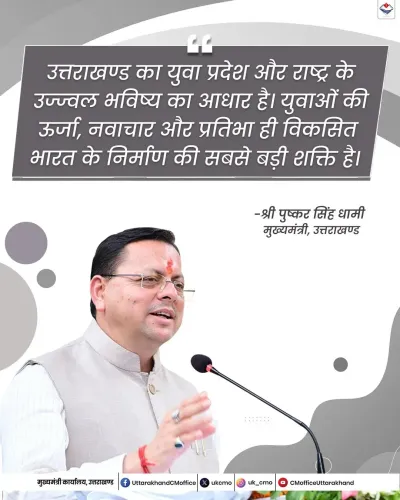
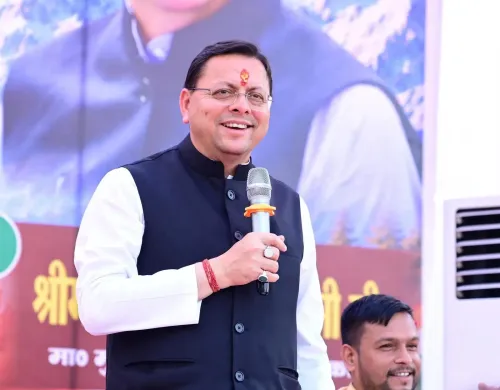
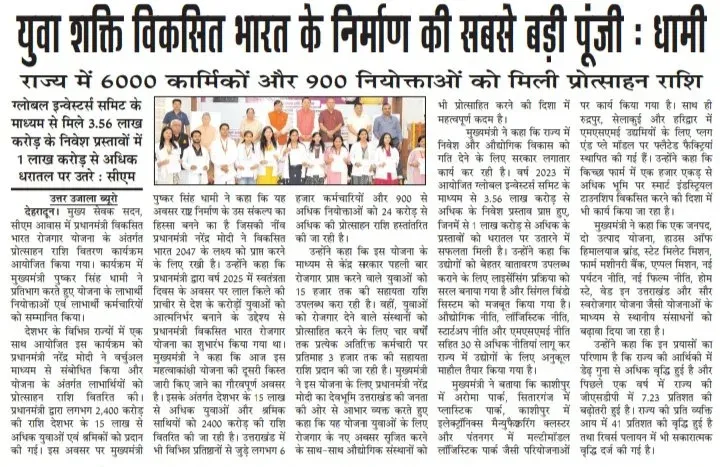
The Chief Minister's Office of Uttarakhand, on behalf of Chief Minister Pushkar Singh Dhami, shared a statement on Saturday, 20 June 2026, reaffirming that the youth of the country represent its most valuable asset — 'युवा शक्ति देश की सबसे बड़ी पूंजी' ('Youth power is the nation's greatest capital').
Context
The statement, posted by the official Chief Minister's Office account, places CM Dhami firmly within a growing discourse on harnessing India's demographic dividend. Uttarakhand, a Himalayan state carved out in 2000, has a significant young population and has historically grappled with youth out-migration to plains states and metropolitan centres in search of employment and education.
By foregrounding youth as the country's 'greatest capital,' the Chief Minister signals a political and policy priority: redirecting the state's energies toward creating opportunities that retain and empower young people within Uttarakhand itself.
Policy Backdrop
The sentiment aligns with the National Youth Policy 2014, which laid out a federal framework for youth empowerment, skill development, and active participation in nation-building — a template that state governments across India have since adapted to local contexts. Under the broader umbrella of central schemes such as Skill India (2015) and Startup India, BJP-governed states have consistently amplified messaging around youth as an economic driver rather than a demographic burden.
CM Dhami, who has been in office since March 2021, has previously linked youth empowerment to the state's twin pillars of tourism and hydropower, while also pushing emerging industrial corridors as engines of local employment. His government has pursued anti-encroachment drives and employment generation as headline governance themes.
Stakeholders and Impact
The primary stakeholders in this framing are Uttarakhand's students, young entrepreneurs, and job-seekers — groups that have long cited limited local opportunity as the chief driver of migration out of the state's hill districts. Advocacy groups focused on reverse migration and rural livelihoods have argued that rhetorical commitment to youth must be matched by measurable targets in recruitment, skill certification, and self-employment support.
Young entrepreneurs and start-up aspirants in the state stand to benefit if the statement is followed by concrete scheme announcements, particularly in sectors such as agri-tech, eco-tourism, and renewable energy — areas where Uttarakhand holds a natural comparative advantage.
What's Next
Observers will watch for the rollout of Uttarakhand-specific youth skill or self-employment schemes in the weeks following this statement, as well as the release of state youth employment and migration data in forthcoming economic surveys. Whether this public positioning translates into budgetary allocations or new institutional mechanisms will determine how the youth-as-capital thesis moves from messaging to governance.
For now, the statement sets a clear rhetorical direction: CM Dhami's administration intends to keep youth empowerment at the centre of Uttarakhand's development narrative heading into the next phase of the state's policy calendar.
Point of View
But in Uttarakhand's specific context it carries sharper stakes: the state's hill districts have bled young talent for decades, making youth retention a genuine governance challenge, not merely a campaign talking point. The statement arrives against the backdrop of central schemes like Skill India and Startup India, giving the Chief Minister a ready policy scaffold to hang local initiatives on. Whether this public positioning translates into budgetary allocations or measurable recruitment targets will be the real test. Politically, keeping youth empowerment front and centre also serves as an implicit counter-narrative to opposition criticism over unemployment and out-migration in the state.
NationPress
19 Sept 2026
Frequently Asked Questions
What did CM Pushkar Singh Dhami say about youth on 20 June 2026?
CM Pushkar Singh Dhami declared that 'youth power is the nation's greatest capital,' emphasising youth as the most important asset for India's development.
Why is youth empowerment important for Uttarakhand?
Uttarakhand has long faced significant youth out-migration from its hill districts due to limited local employment. Empowering youth locally is seen as critical to the state's economic and social development.
What central government schemes support youth empowerment in India?
Key central schemes include Skill India (launched 2015) and Startup India, which aim to develop vocational skills and encourage entrepreneurship among young Indians. State governments, including Uttarakhand, align local initiatives with these frameworks.
What is the National Youth Policy 2014?
The National Youth Policy 2014 is a federal framework that outlines goals for youth empowerment, skill development, and youth participation in nation-building, serving as a guide for state-level youth programmes across India.
What sectors offer youth employment opportunities in Uttarakhand?
Tourism, hydropower, agri-tech, eco-tourism, and emerging industrial corridors are among the key sectors where Uttarakhand's government is focusing youth employment and entrepreneurship efforts.