CM Dhami Backs Modi's Youth Vision for Viksit Bharat
Synopsis
Uttarakhand CM Pushkar Singh Dhami on 30 May 2026 called youth the nation's greatest strength and highlighted PM Modi's education, skill development, startup, and digital technology programmes as the foundation for achieving a developed India by 2047.
Key Takeaways
CM Pushkar Singh Dhami posted on 30 May 2026 describing youth as the most powerful and invaluable capital of any nation.
He credited PM Narendra Modi with connecting youth to education, skill development, innovation, startups, digital technology, and employment opportunities.
Skill India Mission (2015) targeted training over 400 million people; Startup India (2016) provided tax and funding support for young entrepreneurs.
NEP 2020 integrated vocational and skill training from school level, forming part of the policy architecture Dhami invoked.
The Viksit Bharat goal — a developed India by 2047 — is the central frame for BJP youth-development messaging at both national and state levels.
For Uttarakhand , youth outmigration from hill districts makes state-level implementation of these schemes especially consequential.
Uttarakhand Chief Minister Pushkar Singh Dhami on Saturday, 30 May 2026, reaffirmed his government's commitment to youth empowerment, describing young Indians as the most powerful and invaluable capital of any nation and calling their role central to realising the Viksit Bharat vision by 2047.
Context
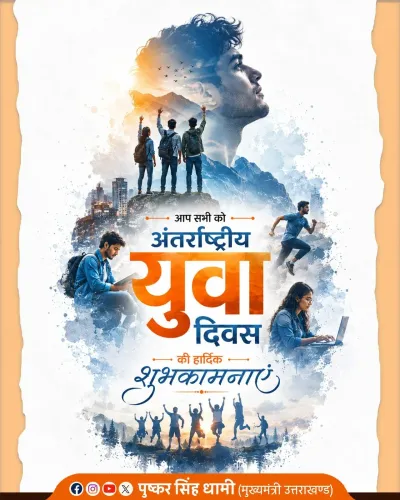
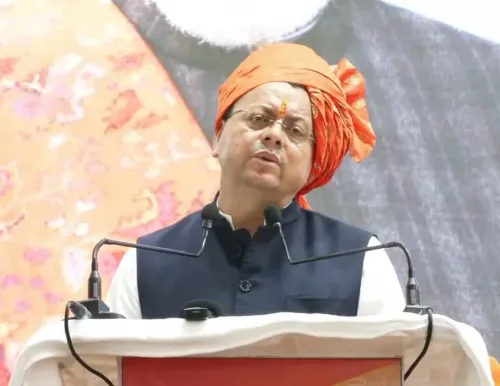
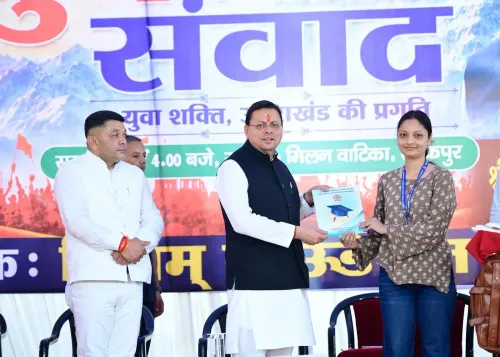
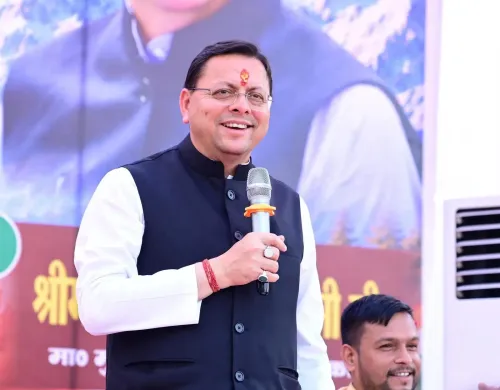
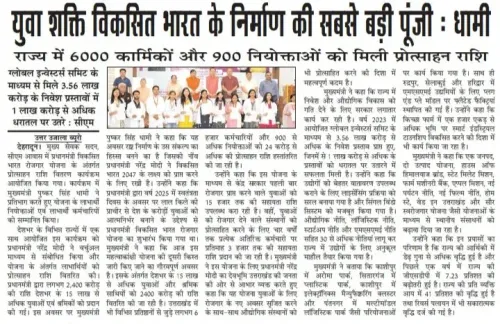
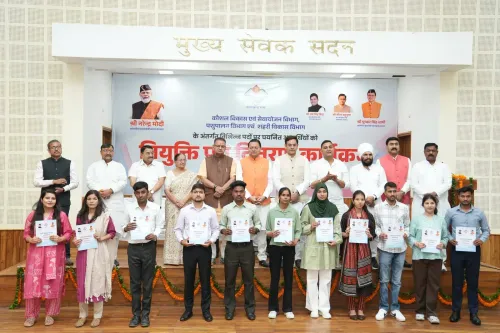
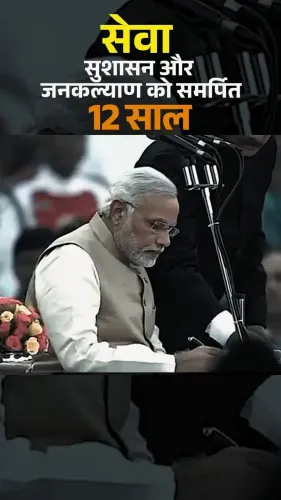
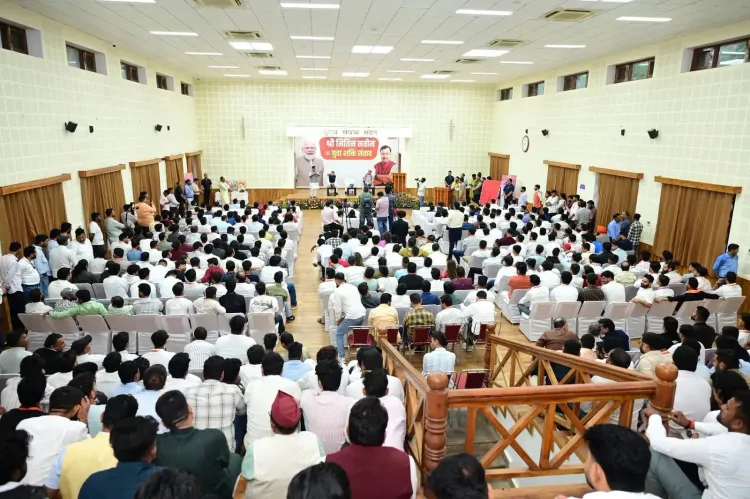
CM Dhami posted in Hindi, stating: 'युवा किसी भी राष्ट्र की सबसे बड़ी शक्ति और अमूल्य पूंजी होते हैं' ('Youth are the greatest strength and invaluable capital of any nation'). He added that if young people move forward with the right direction, positive thinking, and clear goals, they can write a new story of social and national development. The post was accompanied by four images underlining the youth-development theme.
Dhami directly credited Prime Minister Narendra Modi, stating that under his leadership, youth are being connected to education, skill development, innovation, startups, digital technology, and new employment opportunities — making them self-reliant and empowered partners in nation-building.
Policy Backdrop
The post aligns with a cluster of flagship central government programmes. Skill India Mission, launched in July 2015, set out to train over 400 million people in employable skills. Startup India, announced in January 2016, extended tax incentives, funding access, and regulatory relief to encourage youth-led entrepreneurship.
Digital India, also begun in 2015, expanded digital infrastructure and e-governance access across the country. The National Education Policy (NEP) 2020, approved in July 2020, integrated vocational training and skill development from the school level upward. Together, these schemes form the policy architecture Dhami's post invokes when speaking of education, innovation, and digital technology as pathways for youth.
The overarching goal of Viksit Bharat — a developed India by 2047, the centenary of independence — was articulated as a national 'sankalp' (resolve) in 2022-23 and has since become the organising frame for BJP governments at both the central and state levels.
Stakeholders and Impact
The primary beneficiaries of the policy ecosystem Dhami describes are India's youth population — a demographic cohort that economic surveys and NITI Aayog documents have consistently identified as the country's demographic dividend. Young entrepreneurs, first-generation college students, and aspirants in Uttarakhand's hill districts stand to be most directly affected by how effectively state-level implementation tracks central scheme guidelines.
For Uttarakhand specifically, youth outmigration from mountain districts has been a persistent challenge. State-level skill centres and digital connectivity investments are therefore not merely rhetorical alignments with central policy — they carry concrete significance for a state where retaining educated youth is tied to economic and demographic sustainability.
What's Next
Observers will watch Uttarakhand's upcoming state budget allocations for youth skill centres and any fresh state-level guidelines integrating NEP 2020 with the state's employment missions. The degree to which Dehradun translates this public messaging into budgetary commitments will determine whether the Viksit Bharat framing produces measurable outcomes for the state's young population.
Point of View
Startup India, and Digital India in a single breath, Dhami signals ideological alignment with New Delhi while positioning Uttarakhand as a committed partner in the 2047 development project. For a hill state grappling with youth outmigration, however, the rhetorical alignment carries a practical test: whether state budgets and on-ground infrastructure match the ambition of the language. The post also fits a broader pattern since 2014 of BJP chief ministers amplifying central scheme branding to consolidate their own political credibility among young voters.
NationPress
19 Sept 2026
Frequently Asked Questions
What did CM Pushkar Singh Dhami say about youth in his May 2026 post?
CM Dhami said youth are the greatest strength and invaluable capital of any nation, and that their role is the most important in realising the Viksit Bharat goal of a developed India by 2047.
What is Viksit Bharat and how does it relate to youth development?
Viksit Bharat is the BJP government's vision of a fully developed India by 2047, the centenary of independence. Youth empowerment through education, skill development, and digital technology is considered central to achieving this goal.
Which central government schemes did CM Dhami reference in his post?
Dhami referenced education, skill development (Skill India), innovation, startups (Startup India), digital technology (Digital India), and new employment opportunities as areas where PM Modi's government is empowering youth.
Why is youth policy especially important for Uttarakhand?
Uttarakhand faces persistent youth outmigration from its hill districts. Effective implementation of skill and employment schemes is critical for retaining educated young people and sustaining the state's economic and demographic health.
What is the Skill India Mission?
Skill India is a national mission launched in July 2015 with the goal of training over 400 million people in employable skills, connecting youth to vocational training and livelihood opportunities across India.