CM Dhami invites pilgrims to Mukhwa, Ganga's winter home
Synopsis
Uttarakhand CM Pushkar Singh Dhami has highlighted Mukhwa (Mukhimath) in Uttarkashi as the sacred winter residence of the Gangotri deity's ceremonial idol, urging pilgrims to visit the Himalayan village for Maa Ganga's blessings during the winter travel season.
Key Takeaways
Mukhwa (Mukhimath) in Uttarkashi district is the traditional winter residence of the Gangotri deity's ceremonial idol ( utsav dolly ).
Gangotri Dham , one of Uttarakhand's four Char Dham shrines, closes every winter due to Himalayan snowfall at its altitude of roughly 3,100 metres .
The ritual transfer of the idol to Mukhwa is a centuries-old Himalayan tradition that sustains pilgrimage activity through the off-season.
CM Pushkar Singh Dhami personally invited pilgrims visiting Uttarkashi to seek blessings at Mukhwa during the 2026 winter travel season .
The promotion aligns with the Dhami government's broader strategy of extending Uttarakhand's tourism calendar beyond the peak summer Char Dham season.
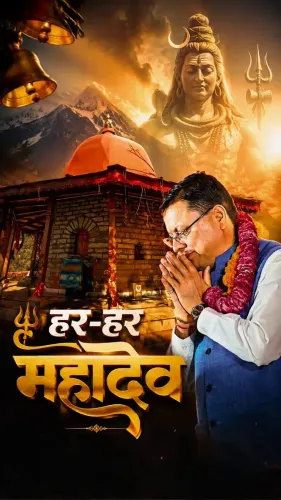
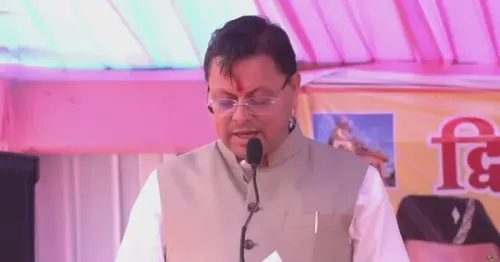
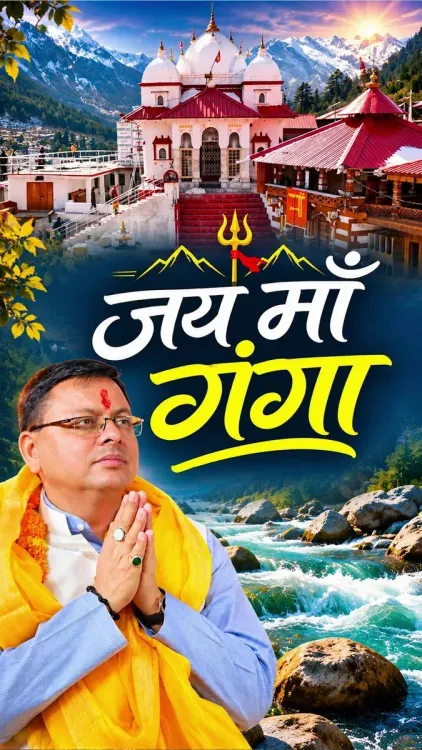
Tucked into the folds of the Himalayas in Uttarkashi district, the village of Mukhwa (Mukhimath) quietly becomes the spiritual heart of Uttarakhand every winter — and Uttarakhand Chief Minister Pushkar Singh Dhami wants more Indians to discover it. On Saturday, 21 November 2026, Dhami took to X to invoke the sanctity of Mukhwa and personally invite devotees to seek the blessings of Maa Ganga (Mother Ganga) during the ongoing winter pilgrimage season.
In his post, Dhami described Mukhwa as 'aastha aur aadhyatmikta ka divya kendra' — a divine centre of faith and spirituality. By tradition stretching back centuries, once the portals of Shri Gangotri Dham close for winter due to heavy Himalayan snowfall, the utsav dolly (ceremonial processional idol) of Maa Ganga is brought down in a solemn procession to Mukhwa, where the deity resides until the shrine reopens in spring. 'Visit this sacred site and receive the blessings of Maa Ganga,' Dhami urged pilgrims planning a trip to Uttarkashi.
When Gangotri's doors close, Mukhwa awakens
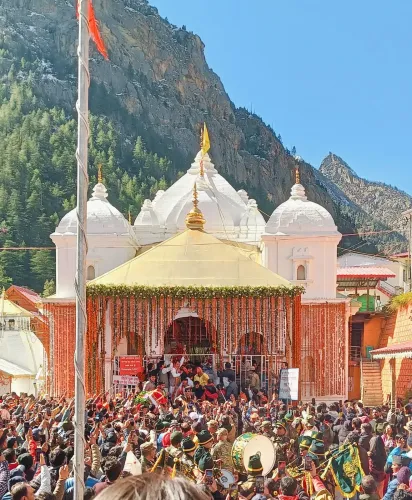
Gangotri Dham is one of the four shrines in Uttarakhand's celebrated Char Dham circuit — alongside Yamunotri, Kedarnath, and Badrinath — drawing hundreds of thousands of pilgrims each summer. The temple sits at an altitude of roughly 3,100 metres, making it inaccessible through the winter months when snow blankets the region. The ritual transfer of the utsav dolly to Mukhwa, located lower in the Bhagirathi valley, ensures that devotion to the Goddess does not hibernate with the season.
Mukhwa itself is a compact Himalayan village, its stone-and-wood architecture typical of the Garhwal hills. For locals, hosting the deity is not merely tradition — it is the centrepiece of community identity through the long winter. For pilgrims, it offers a rare, intimate darshan far removed from the peak-season crowds of the main Char Dham route.
Dhami's push for year-round Uttarakhand tourism
This post fits a consistent pattern in how the Dhami government has approached cultural tourism since 2021: use the state's dense calendar of religious customs — deity processions, seasonal temple openings and closings, local festivals — as an engine for off-season visitor footfall. Uttarkashi, though home to Gangotri and Yamunotri, sees a fraction of the tourism revenue that flows to Kedarnath and Badrinath, and winter outreach around Mukhwa directly targets that gap.
Encouraging winter pilgrimages also eases the pressure of summer overcrowding that has strained infrastructure at the Char Dham sites in recent years. A spread-out pilgrimage calendar means roads, accommodation, and local ecology face a more manageable load — a concern Uttarakhand authorities have flagged repeatedly.
Mukhwa is not a new discovery. It is a living archive of Himalayan devotion, one that most of the country walks past on the way to somewhere else. Dhami's post is, in effect, a quiet insistence that the somewhere else was here all along.
Point of View
The government promotes off-season pilgrimage without spending a rupee on advertising. It reflects a broader BJP-state strategy of weaving Hindu pilgrimage identity into economic development narratives, particularly in hill states where seasonal tourism volatility is an acute fiscal challenge. The outreach also carries an implicit infrastructure signal — if the government is publicising winter pilgrimages, attention will follow on road connectivity and facilities in Uttarkashi's remote upper valleys.
NationPress
21 Nov 2026
Frequently Asked Questions
What is Mukhwa (Mukhimath) and why is it important?
Mukhwa, also called Mukhimath, is a village in Uttarkashi district of Uttarakhand that serves as the traditional winter residence of the Gangotri deity's ceremonial processional idol. After the Gangotri Dham temple closes for winter, the idol is brought to Mukhwa in a solemn procession, making the village a living pilgrimage site through the cold months.
When does Gangotri Dham close for winter?
Gangotri Dham typically closes on Diwali (around October–November) each year due to heavy snowfall at its high-altitude location of approximately 3,100 metres. It reopens in the spring, usually around Akshaya Tritiya in April–May.
How do I visit Mukhwa during the winter pilgrimage season?
Mukhwa is accessible from Uttarkashi town via the Bhagirathi valley road. It is significantly lower in altitude than Gangotri Dham, making it reachable even in winter. Pilgrims are advised to check road conditions with local authorities before travelling.
What is the utsav dolly of Gangotri?
The utsav dolly is a ceremonial processional idol used to represent the main deity during festivals and movements. When Gangotri temple closes, this idol is carried in a traditional procession to Mukhwa, where devotees can offer prayers through the winter months.
Why is CM Dhami promoting Mukhwa?
Pushkar Singh Dhami, Chief Minister of Uttarakhand since 2021, has consistently promoted lesser-known sacred sites to encourage year-round tourism and reduce overcrowding at the main Char Dham shrines during peak summer season. Mukhwa represents the state's effort to highlight off-season pilgrimage destinations.