CM Dhami Issues Red Alert Warning for Uttarakhand
Synopsis
Chief Minister Pushkar Singh Dhami has invoked a red alert issued by the IMD for 26-27 September to urge Uttarakhand residents and tourists to avoid travel, stay away from rivers and landslide zones, and follow administration directives. District officials are on 24x7 alert.
Key Takeaways
The India Meteorological Department has issued a red alert for multiple Uttarakhand districts on 26 and 27 September 2026 .
CM Pushkar Singh Dhami has urged residents and tourists to avoid unnecessary travel during the alert period.
Tourists have been specifically asked to stay away from sensitive, landslide-prone areas and follow local administration guidelines.
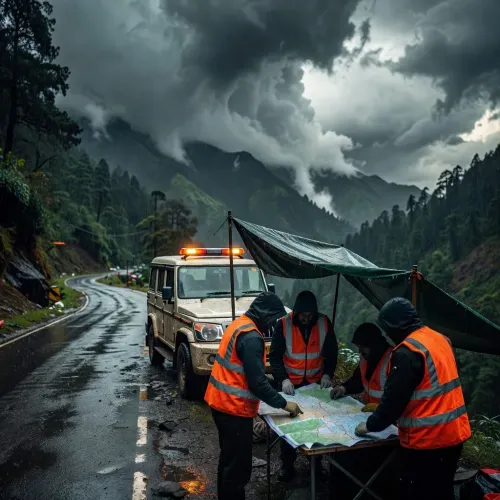
All District Magistrates and departments have been placed on 24x7 alert mode with continuous surveillance of vulnerable zones.
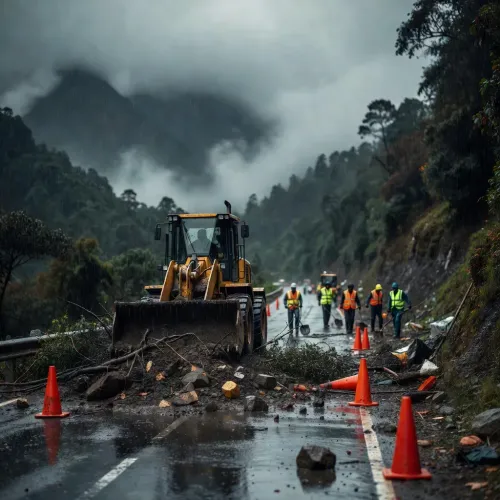
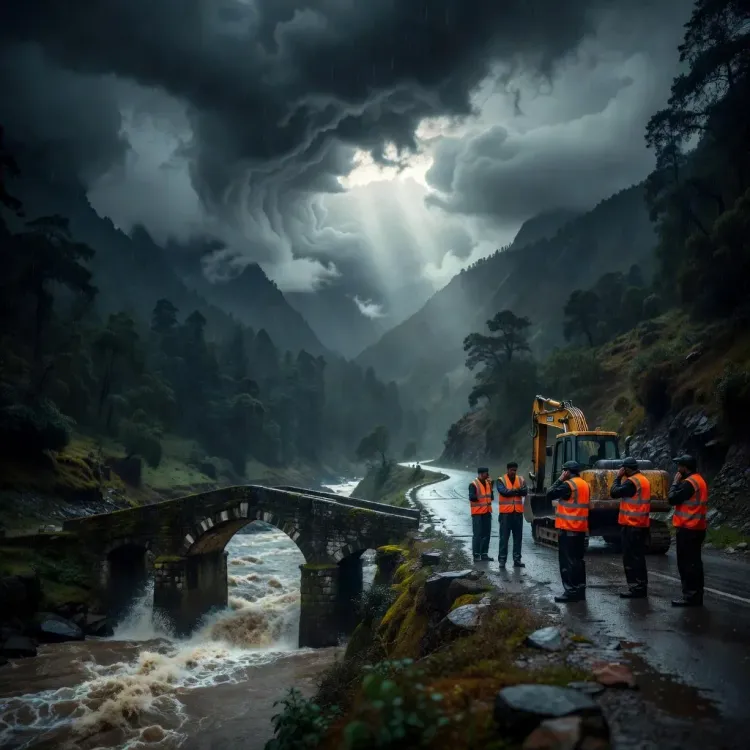
JCBs, rescue teams, and heavy machinery are to be pre-positioned at strategic locations for immediate response.
Special monitoring has been ordered for Char Dham pilgrimage routes , river levels, and major tourist destinations.
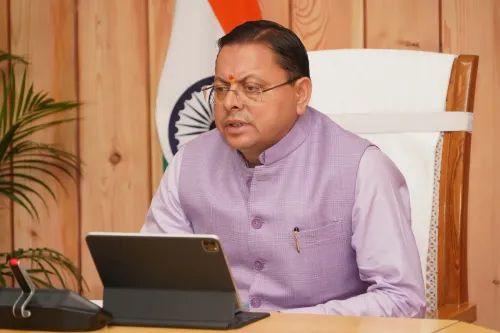
With the India Meteorological Department issuing a red alert for multiple districts of Uttarakhand on 26 and 27 September, Chief Minister Pushkar Singh Dhami on Friday, 25 September 2026 issued an urgent public advisory — urging both residents and tourists to avoid unnecessary travel and stay away from riverbanks, landslide-prone roads, and flood-risk zones.
What the Red Alert Means for Travellers and Pilgrims
The Chief Minister's message was unambiguous: if travel is not essential, stay put. Dhami urged that anyone who must travel should first check weather and road conditions, and then proceed with caution. Tourists were specifically asked to avoid sensitive and landslide-prone areas and to follow all directives issued by the local administration.
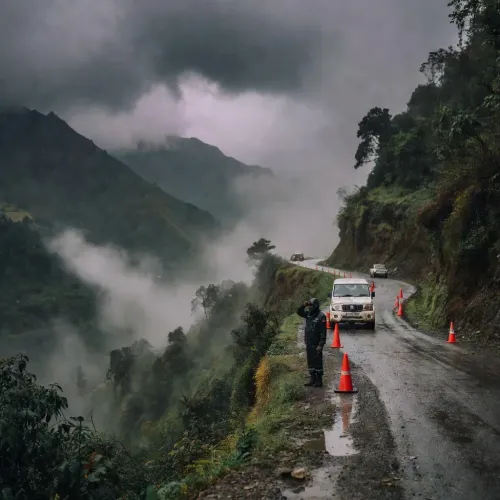
Of particular concern are the Char Dham Yatra routes — the pilgrimage circuit covering Yamunotri, Gangotri, Kedarnath, and Badrinath — which thread through some of the most geologically fragile terrain in the Himalayas. Every monsoon season, heavy rainfall transforms these mountain roads into high-risk corridors within hours. The red alert makes those corridors potentially dangerous for the next two days.
Rivers, Rivulets, and the Risk to Children
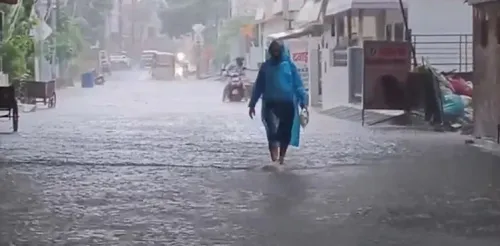
Dhami was specific about the on-ground dangers. 'Nadi-naalon, gaad-gaderon, barsaati dharaon' — rivers, streams, and seasonal water channels — can surge with little warning during heavy rainfall, and he directed people not to venture near them or attempt to cross fast-moving water. Parents were directly addressed: do not allow children near rivers, streams, or any other high-risk locations during the alert period.
In the mountainous districts, where the terrain amplifies risk, residents were told to exercise particular care on sensitive roads and hillside locations where landslide probability rises sharply in sustained heavy rain.
District Officials Ordered onto 24×7 Alert Mode
The advisory was backed by a set of firm administrative orders. All District Magistrates and concerned departments have been directed to remain on 24×7 alert and conduct continuous surveillance of vulnerable areas. Dhami ordered that relief and rescue teams, heavy machinery including JCBs, and all necessary equipment be pre-positioned at strategic locations across the state — so that any disaster response can begin immediately rather than after mobilisation delays.
Coordination between all relevant departments is to be maintained without interruption. Special monitoring has been ordered for river and stream water levels, landslide-prone zones, mountain routes, Char Dham pilgrimage corridors, and major tourist destinations. Where the situation demands, the administration has been instructed to arrange proactive evacuations from sensitive areas to safe locations.
Uttarakhand's Monsoon Preparedness After 2013
This advisory follows a governance framework that Uttarakhand built — and has continued to strengthen — after the catastrophic Kedarnath floods of 2013, which killed thousands and devastated pilgrimage infrastructure. Under the National Disaster Management Act 2005, the state overhauled its district-level disaster preparedness and early-warning protocols, and successive administrations have anchored the monsoon season in a rhythm of pre-emptive alerts and inter-agency coordination. Friday's directive from Dhami fits that institutional pattern — but the tone of the advisory, with its direct appeal to parents and tourists alike, signals that the incoming weather system is being taken seriously at the highest level.
The Chief Minister closed his message with a note of reassurance alongside the caution: 'Ghabrayen nahin, lekin poori satarkta bartein' — 'Do not panic, but maintain full vigilance.' Anyone facing an emergency is asked to immediately inform the local administration.
The next 48 hours will tell whether the state's preparations hold — and whether the red alert translates into a managed disruption or something worse.
Point of View
When delayed response amplified the death toll. By directly addressing tourists and parents — not just officials — the CM is trying to shift some risk-management responsibility to individuals, a sign that state machinery alone cannot cover the state's sprawling mountain geography. The pre-positioning of JCBs and rescue teams signals that the government has moved from reactive to anticipatory disaster management, a shift that will be tested in the coming 48 hours. If the alert passes without major casualties, the administration will point to this preparedness as proof of institutional maturity; if lives are lost, opposition parties will question whether warnings were issued early enough.
NationPress
25 Sept 2026
Frequently Asked Questions
What is the red alert issued for Uttarakhand on 26-27 September 2026?
The India Meteorological Department has issued a red alert warning of extremely heavy rainfall across multiple districts of Uttarakhand on 26 and 27 September 2026, prompting CM Pushkar Singh Dhami to issue a public safety advisory.
Should tourists visit Char Dham during the red alert period?
CM Dhami has specifically asked tourists to avoid landslide-prone and sensitive areas, including Char Dham pilgrimage routes, during the red alert on 26-27 September and to follow all local administration directives.
What precautions has the Uttarakhand government taken for the red alert?
All District Magistrates and departments have been placed on 24x7 alert, rescue teams and JCBs pre-positioned at strategic locations, and continuous surveillance ordered for rivers, mountain roads, and tourist destinations.
What should residents do during heavy rainfall in Uttarakhand?
Residents should avoid unnecessary travel, stay away from rivers, streams, and seasonal water channels, keep children away from high-risk areas, and contact the local administration immediately in any emergency.
Why is Uttarakhand so vulnerable to monsoon-related disasters?
Uttarakhand's Himalayan terrain makes it highly susceptible to landslides and flash floods during heavy monsoon rainfall. The state significantly strengthened its disaster preparedness protocols after the catastrophic 2013 Kedarnath floods under the National Disaster Management Act 2005.