CM Dhami Suspends Char Dham Yatra Amid Heavy Rain, Landslides
Synopsis
Uttarakhand CM Pushkar Singh Dhami has suspended the Char Dham Yatra for July 28-29, 2026, due to heavy monsoon rainfall and landslides on pilgrimage routes, urging residents and tourists to avoid unnecessary travel and follow official advisories.
Key Takeaways
Char Dham Yatra suspended for July 28 and 29, 2026 by CM Pushkar Singh Dhami.
Suspension triggered by heavy continuous rainfall and landslide incidents on travel routes across Uttarakhand.
Decision taken with pilgrim and tourist safety as the stated priority.
All residents and visitors advised to avoid unnecessary travel and step out only in emergencies.
Public directed to follow advisories from the Meteorological Department and local administration .
Resumption of the yatra is subject to weather stabilisation and official clearance from state authorities.
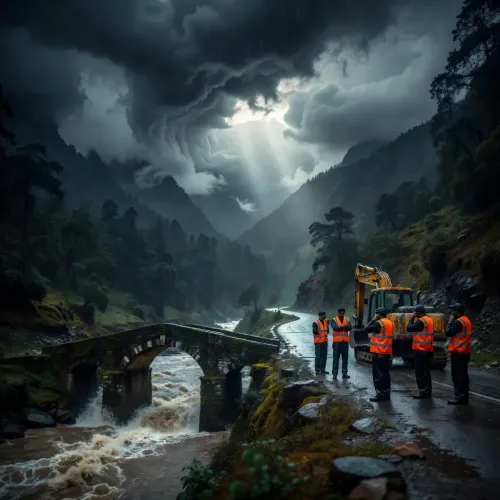
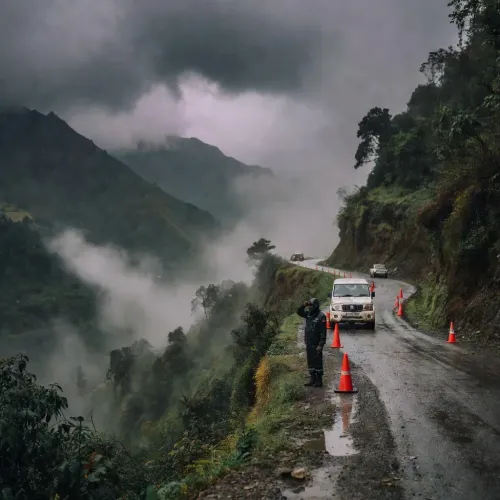
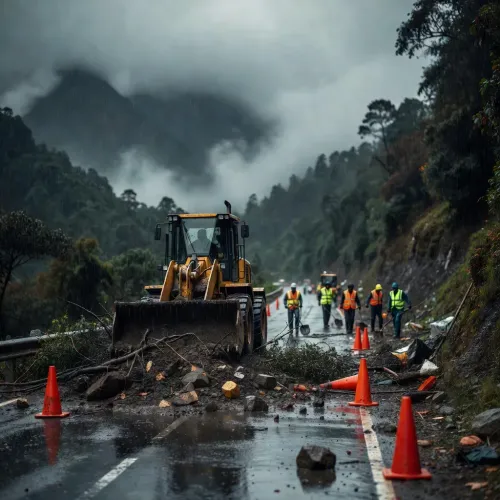
Heavy monsoon rains and cascading landslides along Uttarakhand's mountain corridors have forced Uttarakhand Chief Minister Pushkar Singh Dhami to suspend the Char Dham Yatra for Tuesday, July 28 and Wednesday, July 29, 2026 — a precautionary call that puts pilgrim safety squarely above the pilgrimage calendar.
In a post on X, CM Dhami stated: 'प्रदेश में लगातार हो रही भारी वर्षा एवं यात्रा मार्गों पर भूस्खलन की घटनाओं के दृष्टिगत चारधाम यात्रा को आज एवं कल के लिए स्थगित किया गया है' — ('In view of the incessant heavy rainfall and landslide incidents on travel routes across the state, the Char Dham Yatra has been suspended for today and tomorrow.') He urged all residents and tourists to avoid unnecessary travel and step out only in case of absolute necessity, directing them to follow advisories issued by the Meteorological Department and local administration.
What the Char Dham Suspension Means for Pilgrims
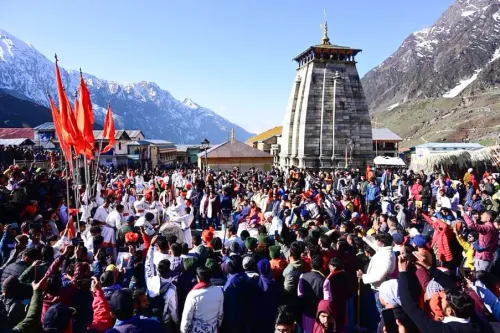
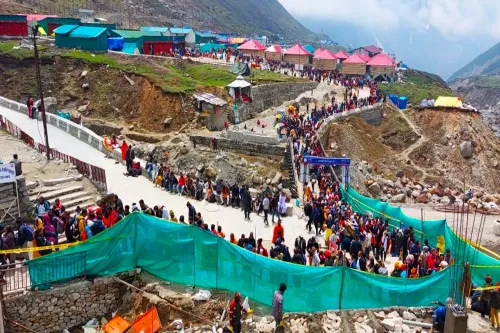
The Char Dham Yatra — the annual pilgrimage circuit covering Yamunotri, Gangotri, Kedarnath and Badrinath — draws hundreds of thousands of devotees each season and is one of Hinduism's most sacred journeys. The four shrines sit deep in the Garhwal Himalayas, accessible only through narrow mountain roads that become acutely vulnerable once the monsoon sets in. A suspension, even for two days, affects pilgrims already on route, those stationed at base camps, and thousands more en route from across the country.
State authorities and the local administration are the first line of response in such situations, coordinating with district disaster management units to assess route conditions and manage stranded travellers. Pilgrims are advised to stay at their current halt points and await official clearance before proceeding.
A Recurring Monsoon Pattern on Himalayan Routes
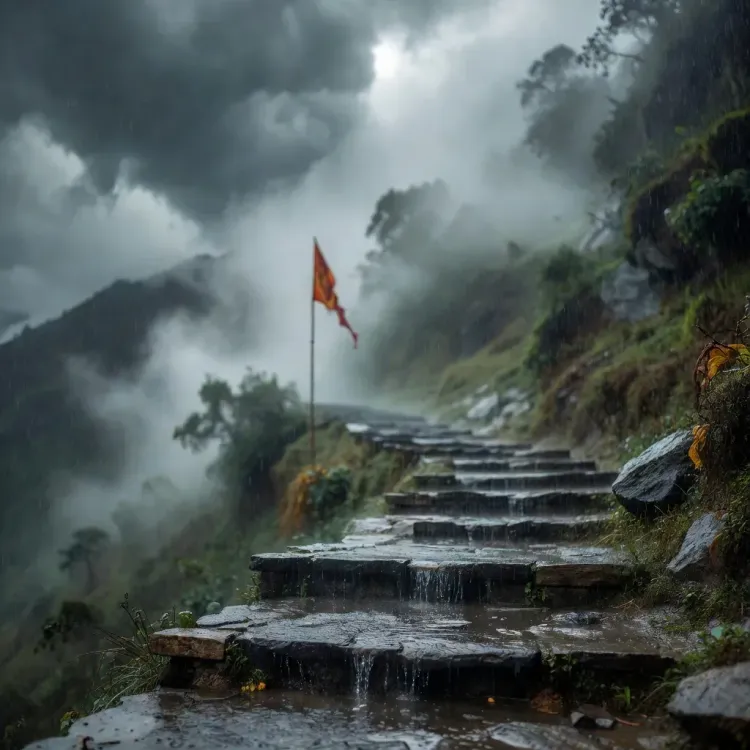
Uttarakhand's terrain makes this scenario a near-annual reality. The state's Himalayan geology — steep slopes, loose debris, and river valleys — amplifies the destructive potential of monsoon rainfall. Authorities have suspended or restricted Char Dham routes during heavy rain events in multiple prior years, and the state has built disaster-response protocols specifically around these corridors. The pattern is familiar; the urgency is not diminished by that familiarity.
CM Dhami's administration has consistently framed pilgrim safety as non-negotiable during adverse weather, and this two-day suspension follows that established governance posture. The next critical moment is the official resumption announcement — which will depend on weather stabilisation and route-clearance assessments from the State Disaster Management Authority.
In the Himalayas, the mountain decides the schedule. The pilgrimage will resume — but on nature's terms.
Point of View
Rather than administrative convenience, is a calculated political and humanitarian signal. The real test will be how quickly and transparently the state communicates resumption once conditions clear.
NationPress
28 Oct 2026
Frequently Asked Questions
Why has Char Dham Yatra been suspended?
Uttarakhand CM Pushkar Singh Dhami suspended the Char Dham Yatra for July 28-29, 2026, due to heavy monsoon rainfall and landslide incidents on pilgrimage routes, posing serious safety risks to devotees and tourists.
When will Char Dham Yatra resume after the suspension?
No specific resumption date has been announced. The yatra is expected to resume once weather conditions stabilise and the State Disaster Management Authority clears the routes as safe.
Which temples are affected by the Char Dham Yatra suspension?
The suspension covers all four shrines of the Char Dham circuit — Yamunotri, Gangotri, Kedarnath, and Badrinath — all located in the Garhwal Himalayas of Uttarakhand.
What should pilgrims already on the Char Dham route do?
Pilgrims are advised to stay at their current halt points, avoid unnecessary movement, and follow directives from the local administration and Meteorological Department until official clearance is issued.
Is it common for Char Dham Yatra to be suspended during monsoon?
Yes. Uttarakhand authorities have suspended or restricted Char Dham routes during heavy rain and landslide events in multiple prior years, as the fragile Himalayan terrain makes these corridors acutely vulnerable during the monsoon season.