CM Dhami joins Chhath Puja at Khiladiya Ghat, Khatima
Synopsis
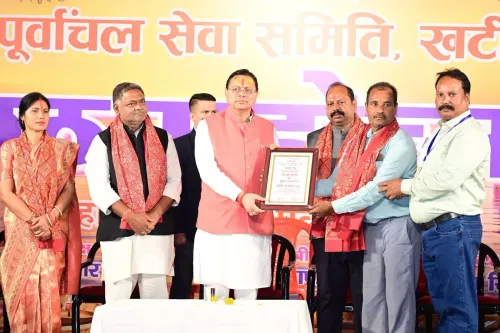
Uttarakhand Chief Minister Pushkar Singh Dhami joined Chhath Puja celebrations at Khiladiya Ghat in Khatima on 16 November 2026, live-broadcasting his participation in the festival that holds deep significance for Bihar and UP-origin communities across the state's Terai belt.
Key Takeaways
CM Pushkar Singh Dhami attended Chhath Puja at Chhath Ghat, Khiladiya (Khatima) on 16 November 2026 .
The event was live-streamed, signalling a deliberate act of public community engagement rather than a routine courtesy visit.
Khatima , in Udham Singh Nagar district , hosts a large population of migrants from Bihar and eastern Uttar Pradesh for whom Chhath is a central cultural festival.
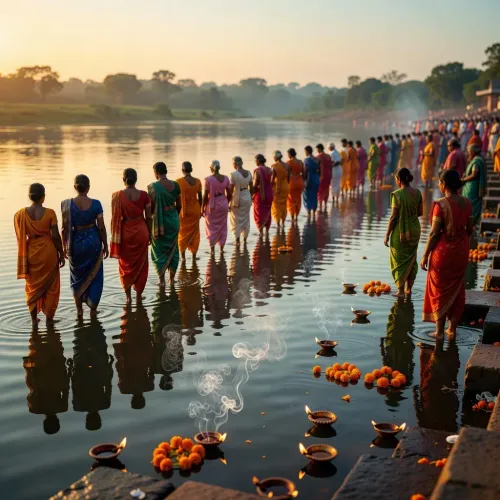
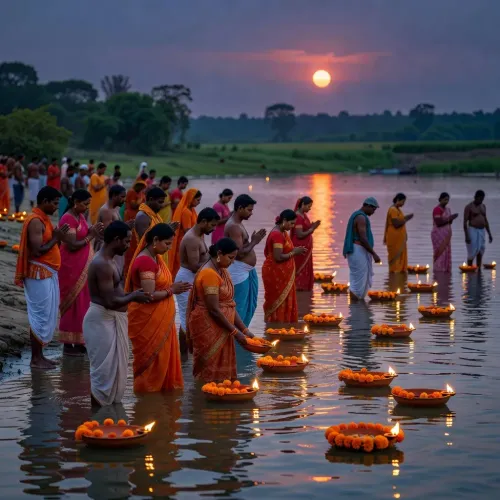
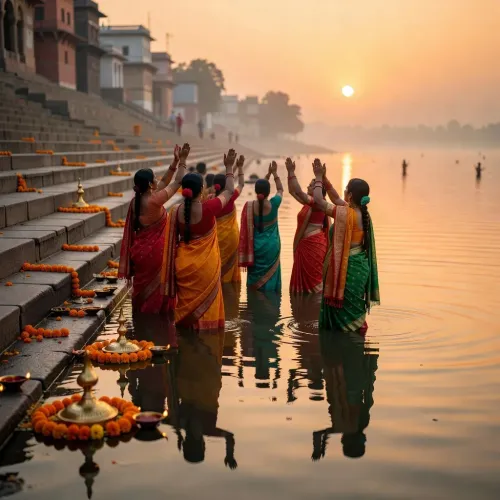
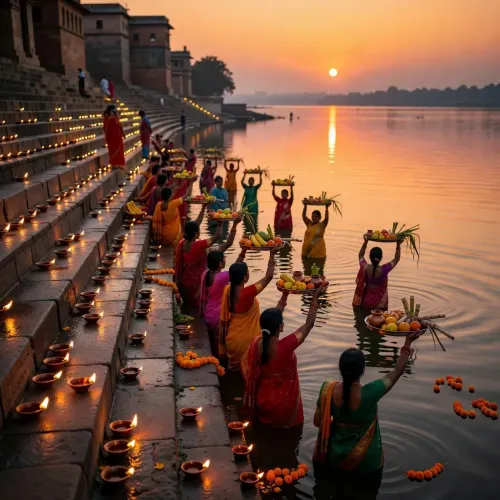
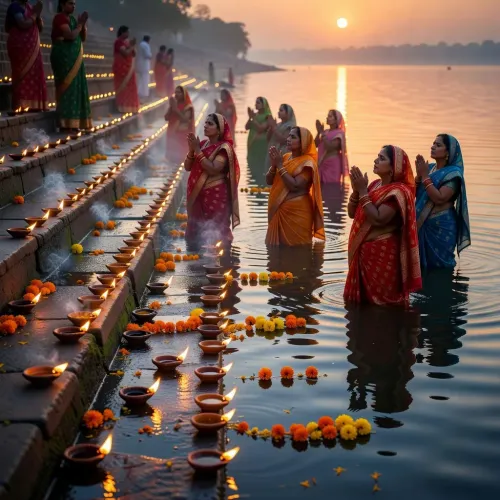
Chhath Puja is dedicated to the Sun God and is observed with pre-dawn and sunset riverbank rituals and rigorous fasting.
Indian chief ministers routinely participate in community religious festivals to signal cultural inclusivity to diverse migrant constituencies.
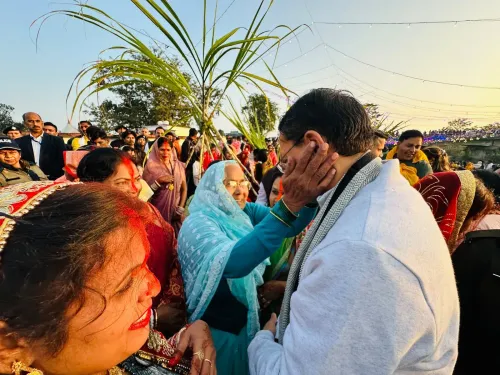
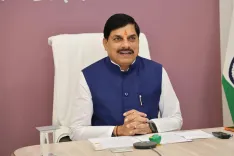
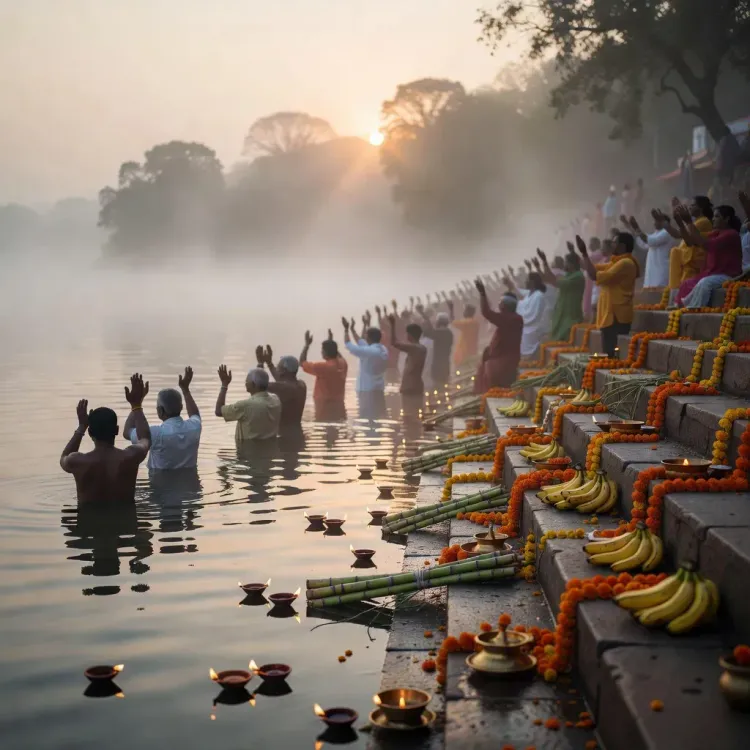
At the riverbank in Khiladiya (Khatima), as dawn prayers rose over the water, Uttarakhand Chief Minister Pushkar Singh Dhami joined thousands of devotees for Chhath Puja on Monday, 16 November 2026 — a gesture that carries as much political weight as it does devotional warmth.
Dhami shared a live broadcast from Chhath Ghat, Khiladiya in Khatima, marking his participation in one of the most emotionally charged festivals of the Hindu calendar. In his post, he described the occasion as a 'paavan avsar' — a sacred moment — underscoring the reverence that Chhath commands among its devotees.
Why Khatima matters for Chhath
Khatima, a town in Udham Singh Nagar district in Uttarakhand's Terai belt, is home to a substantial community of migrants who trace their roots to Bihar and eastern Uttar Pradesh — the heartland of Chhath observance. For these families, the festival is not merely ritual; it is a living thread to ancestral plains hundreds of kilometres away. The ghats here fill with the same pre-dawn fervour found on the banks of the Ganga in Patna or Varanasi.
Uttarakhand's demographic profile, shaped decisively by decades of migration from the Gangetic plains, means that Chhath has become a culturally significant celebration across the state's Terai districts — not a transplanted minority custom, but a fully rooted community tradition.
A chief minister at the ghat
Dhami's presence at the Khatima ghat fits a pattern familiar across Indian states: chief ministers attending regional religious festivals to signal cultural inclusivity and solidarity with migrant communities. For a BJP leader in a state that borders Uttar Pradesh and Bihar, attending Chhath carries particular resonance — the festival's devout following overlaps significantly with a politically engaged electorate.
The choice to broadcast the participation live also signals something deliberate: this was not a quiet courtesy call to a local event, but a visible, documented act of community identification. Governance and culture, as Indian politics has long understood, rarely stay in separate lanes.
As the sun rises over Uttarakhand's Terai, the question worth watching is whether this visibility at the ghat translates into concrete state support — cultural infrastructure, festival facilitation, or community development in districts like Udham Singh Nagar that quietly hold the state's demographic diversity together.
Point of View
The Chief Minister places himself physically within a community whose cultural identity is deeply tied to Bihar and eastern UP. This mirrors a broader pattern across BJP-governed states of using visible participation in regional festivals as a form of soft political consolidation. The live broadcast dimension adds a modern layer: the audience is not just those at the ghat, but the community's wider digital network.
NationPress
16 Nov 2026
Frequently Asked Questions
Where did CM Dhami attend Chhath Puja in 2026?
CM Pushkar Singh Dhami attended Chhath Puja at Chhath Ghat, Khiladiya, in Khatima town of Udham Singh Nagar district, Uttarakhand, on 16 November 2026.
Why is Chhath Puja celebrated in Uttarakhand?
Uttarakhand's Terai region, including districts like Udham Singh Nagar, has a large population of migrants from Bihar and eastern Uttar Pradesh, the traditional heartland of Chhath Puja, making the festival a well-established cultural tradition in the state.
What is Chhath Puja?
Chhath Puja is a Hindu festival dedicated to the Sun God, observed primarily by communities from Bihar and eastern Uttar Pradesh. It involves rigorous fasting, pre-dawn and sunset rituals at riverbanks, and offerings to the rising and setting sun.
What is Khatima known for in Uttarakhand?
Khatima is a town in Udham Singh Nagar district in Uttarakhand's Terai belt, notable for its significant population of migrants from Bihar and Uttar Pradesh and its proximity to the state's agricultural plains.
Is Pushkar Singh Dhami the Chief Minister of Uttarakhand?
Yes, Pushkar Singh Dhami has been serving as Chief Minister of Uttarakhand since 2021 and is a leader of the Bharatiya Janata Party (BJP).