CM Dhami Launches Uttarakhand State Youth Commission
Synopsis
Uttarakhand CM Pushkar Singh Dhami received a public welcome at Rishikesh's Nataraj Chowk on his return from Gairsain, expressing being overwhelmed by gratitude for the newly constituted State Youth Commission aimed at addressing youth grievances, rights, and opportunities.
Key Takeaways
Uttarakhand State Youth Commission has been constituted under CM Pushkar Singh Dhami's government to address youth grievances, protect rights, and create opportunities.
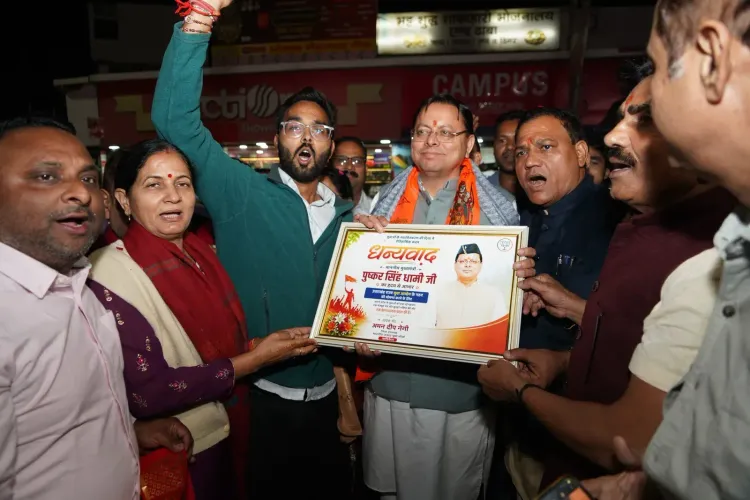
CM Dhami was welcomed at Rishikesh's Nataraj Chowk by citizens, youth, and BJP workers during his road return from Gairsain on 28 October 2026 .
The commission addresses Uttarakhand's long-standing challenge of large-scale youth out-migration from hill districts since statehood in 2000 .
Similar youth commissions have been set up in other BJP -ruled states as part of the party's strategy to institutionalise engagement with the 18-35 age group.
Operational guidelines, budget allocation, and the commission's first recommendations are expected in the coming months.
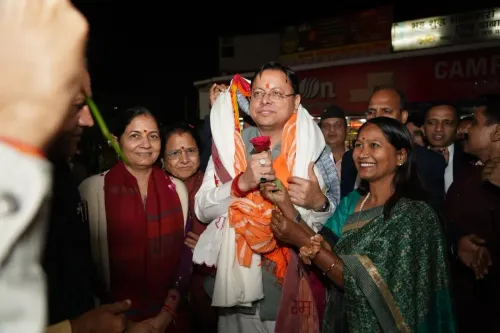
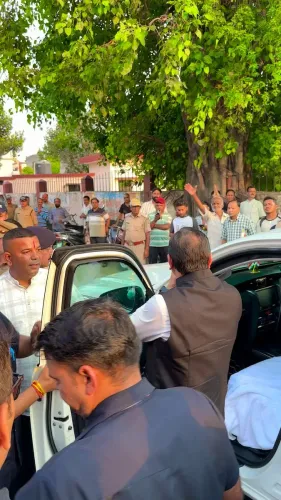
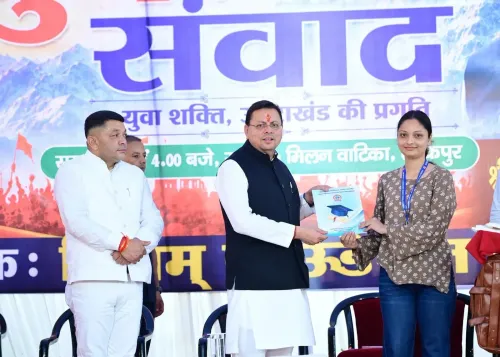
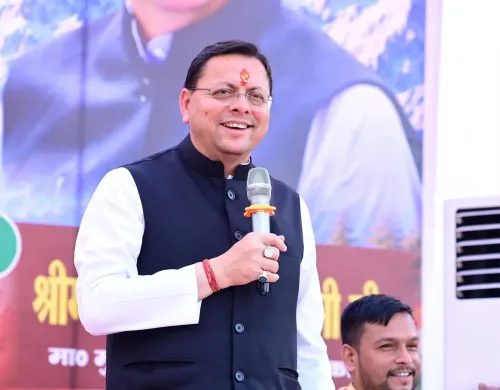
A rousing welcome at Rishikesh's Nataraj Chowk greeted Uttarakhand Chief Minister Pushkar Singh Dhami on Wednesday, 28 October 2026, as local citizens, young residents, and BJP workers lined the road to express gratitude for one of his government's most anticipated moves — the constitution of the Uttarakhand State Youth Commission.
Dhami was returning to Dehradun by road from Gairsain — the state's summer capital, perched deep in the Pauri Garhwal hills — when the reception unfolded. Posting on X, he wrote: 'Gaursain se Dehradun sadak marg se lautte samay Rishikesh ke Nataraj Chowk par... abhoot hoon' — 'I am overwhelmed by the grand welcome and the gratitude expressed for the formation of the State Youth Commission.'
What the Youth Commission Is Designed to Do
The Uttarakhand State Youth Commission is a newly constituted body with a three-part mandate: address the grievances of young people in the state, safeguard their rights, and create structured platforms to unlock their talent and potential. Dhami framed it as 'an important initiative' toward building a 'bright future for youth and a strong Uttarakhand.'
The commission slots into a long-standing policy problem. Since the state's formation in 2000, successive governments have wrestled with one of Uttarakhand's most stubborn challenges — large-scale out-migration of young people from its hill districts in search of employment and opportunity. A dedicated institutional body is intended to move youth policy beyond periodic announcements and into a standing mechanism for accountability and action.
BJP's Hill-State Playbook on Youth Outreach
The pattern here is deliberate. Across BJP-governed hill and mid-size states, the party has used youth commissions, cells, and dedicated bodies to institutionalise engagement with the 18-35 age group — translating demographic weight into organised political goodwill. Uttarakhand's new commission follows that template.
The Gairsain-to-Dehradun road journey itself carries symbolic freight: Gairsain's status as a claimed permanent capital remains a live political question in the state, and the CM's regular travel along that corridor doubles as visible outreach to hill constituencies that have historically felt peripheral to the plains-based power centre in Dehradun.
What Comes Next for the Commission
The institutional architecture is in place, but the harder work lies ahead. Observers will watch for the commission's operational guidelines, its budget allocation, and — most crucially — its first set of concrete recommendations. Those details, expected in the coming months, will determine whether this body becomes a genuine policy lever or another well-intentioned structure without teeth.
For now, the scene at Nataraj Chowk — crowds, garlands, and a chief minister moved enough to post about it — signals that in Uttarakhand's political calendar, the Youth Commission has landed with real resonance on the ground.
Point of View
The Dhami government is converting the BJP's youth-outreach messaging into a structure that can be held accountable, raising the stakes on delivery. Uttarakhand's endemic out-migration crisis means any commission that fails to produce visible outcomes risks becoming a liability ahead of the next electoral cycle. The Nataraj Chowk reception also illustrates how BJP's state governments use road-route public interactions to sustain grassroots energy between elections, blending policy rollout with ground-level mobilisation. Whether the commission earns its mandate will depend on the budget and powers it is eventually granted.
NationPress
29 Oct 2026
Frequently Asked Questions
What is the Uttarakhand State Youth Commission?
The Uttarakhand State Youth Commission is a newly constituted government body designed to address the grievances of young people in the state, protect their rights, and create platforms to support their talent and ambitions. It was announced by Chief Minister Pushkar Singh Dhami's government.
Why was CM Dhami welcomed at Rishikesh Nataraj Chowk?
Citizens, youth, and BJP workers gathered at Rishikesh's Nataraj Chowk on 28 October 2026 to welcome CM Pushkar Singh Dhami as he returned from Gairsain to Dehradun by road, expressing gratitude for the formation of the State Youth Commission.
What problems will the Uttarakhand Youth Commission solve?
The commission aims to tackle youth grievances in the state, safeguard their rights, and open up new opportunities — particularly relevant given Uttarakhand's long-standing problem of large-scale out-migration of young people from its hill districts in search of employment.
What is Gairsain and why does Dhami visit it?
Gairsain is Uttarakhand's designated summer capital located in the Pauri Garhwal hills. CM Dhami's regular travel to Gairsain is seen as symbolic outreach to hill constituencies that feel distant from the plains-based state capital in Dehradun.
When will the Uttarakhand Youth Commission begin its work?
The commission has been constituted, but its operational guidelines, budget allocation, and first set of recommendations are expected to emerge in the coming months as the body becomes functional.