CM Dhami Lays Foundation of Banbasa Badminton Court, Flags Off NHPC Vehicles
Synopsis
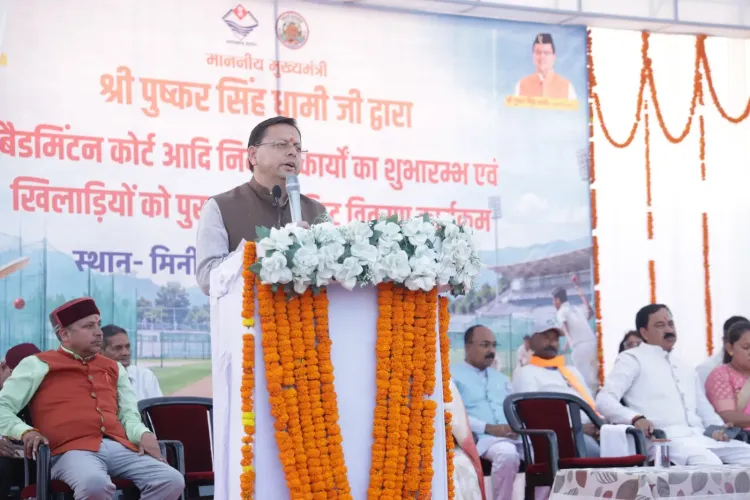
Uttarakhand CM Pushkar Singh Dhami inaugurated a badminton court foundation and development works at Banbasa mini stadium in Champawat, distributed sports kits and prizes to athletes, and flagged off three NHPC CSR vehicles for forest divisions, linking the event to his drug-free youth agenda.
Key Takeaways
Badminton court foundation stone laid at the Mini Stadium in Banbasa, Champawat on 18 October 2026 .
CM Dhami distributed prizes and sports kits to local athletes to encourage grassroots participation.
NHPC handed over three Tata Yodha vehicles to Uttarakhand forest divisions under its CSR programme.
Dhami linked sports participation directly to the state's Nasha Mukt Uttarakhand (Drug-Free Uttarakhand) campaign.
Event reflects the state's strategy of pairing border-district infrastructure investment with anti-drug messaging for youth.
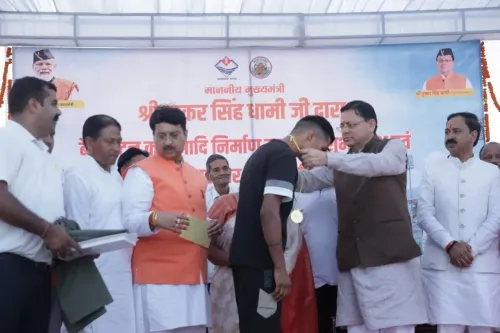
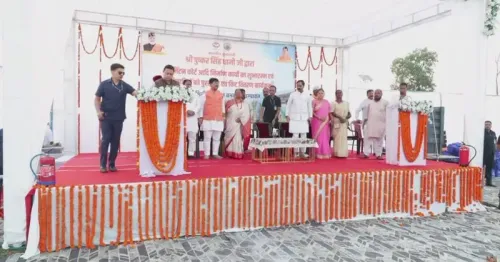
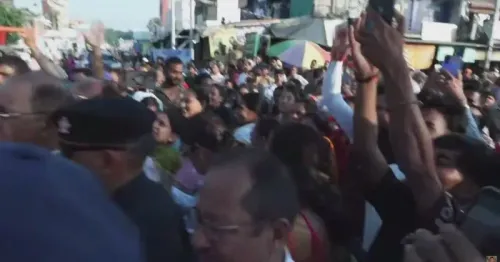
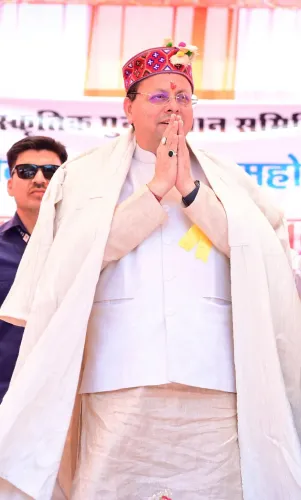
In a border district long underserved by sports infrastructure, Uttarakhand Chief Minister Pushkar Singh Dhami on Sunday, 18 October 2026, laid the foundation stone for a badminton court at the Mini Stadium in Banbasa, Champawat, inaugurated multiple other development works, rewarded local athletes with prizes, and distributed sports kits — a visit that also saw three Tata Yodha vehicles handed over to forest divisions under an NHPC CSR initiative.
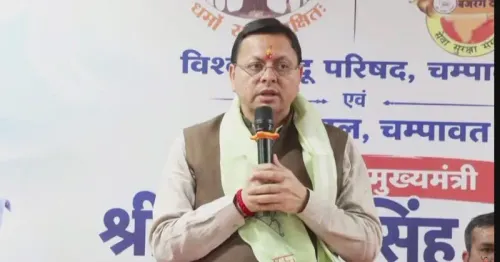
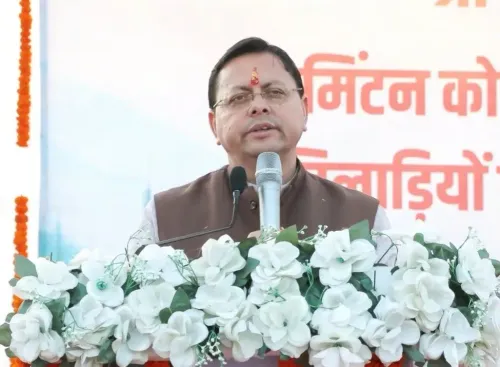
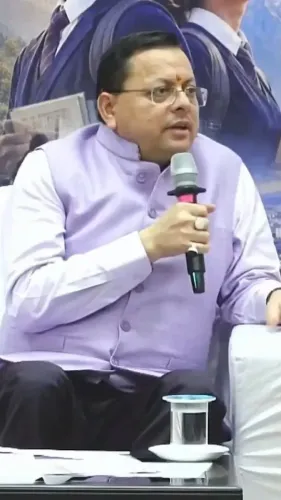
Dhami posted on X, declaring: 'Khel yuvaon mein anushasan, aatmvishwas aur team bhavna viksit karne ke saath unhe sakaratmak disha mein aage badhne ki prerana dete hain' — 'Sports develop discipline, self-confidence and team spirit in youth, and inspire them to move forward in a positive direction.' He added that the state's resolve is to ensure Devbhoomi's youth participate in building a healthy, empowered and drug-free Uttarakhand.
Badminton Court and Infrastructure Push in Champawat
Banbasa is a small town in Champawat district, one of Uttarakhand's most geographically remote areas, sitting close to the Indo-Nepal border. The laying of a badminton court foundation at its mini stadium is part of a broader Uttarakhand government pattern of extending sports infrastructure to smaller towns — places where organised sporting facilities have historically been scarce. Players present at the event received prizes and sports kits from the Chief Minister, a gesture designed to signal state backing for grassroots talent.
NHPC's Three Tata Yodha Vehicles: CSR Meets Forest Administration
The event had a second, equally practical dimension. The National Hydroelectric Power Corporation (NHPC) — a central public-sector undertaking with a significant operational footprint across Uttarakhand's rivers — flagged off three Tata Yodha vehicles to local forest divisions under its Corporate Social Responsibility (CSR) programme. Rugged terrain in border districts like Champawat demands reliable transport for forest staff, and PSU-funded vehicle handovers have become a recurring mechanism through which hydropower operators convert their local presence into community support. The flag-off converts infrastructure and CSR commitments into something forest rangers can actually drive.
Sport as a Shield Against Drug Abuse
Dhami's remarks at Banbasa carried an explicit social message: every young person in the state should engage with sports and stay away from the 'evil of addiction' (nashe jaisi buraaiyon se door rahe). Uttarakhand governments have consistently paired sports-infrastructure announcements with anti-drug messaging, especially in districts bordering Nepal, where smuggling routes intersect with youth vulnerability. The framing — sport as a substitute for substance abuse — is not rhetorical window-dressing; it reflects a documented state priority, with the Nasha Mukt Uttarakhand ('Drug-Free Uttarakhand') campaign running parallel to youth-welfare spending.
A badminton court in a border town may appear modest. But when a sitting Chief Minister shows up personally to lay the stone, reward players and flag off field vehicles all in one event, the political signal is clear: Champawat — once an administrative backwater — is being written back into the development map, one slab at a time.
Point of View
Sport as an antidote to drug abuse — to consolidate political capital in areas that have historically felt left out of development spending. The NHPC vehicle handover underlines how state governments increasingly leverage central PSU CSR budgets to bridge local administrative gaps without drawing on the state exchequer. Champawat's prominence as Dhami's own constituency adds a layer of personal political stakes to every development announcement there, making follow-through on completion timelines particularly consequential to watch.
NationPress
18 Oct 2026
Frequently Asked Questions
What did CM Dhami inaugurate in Banbasa Champawat?
CM Pushkar Singh Dhami laid the foundation stone for a badminton court at the Mini Stadium in Banbasa, Champawat, and inaugurated several other development works on 18 October 2026. He also rewarded local athletes with prizes and sports kits.
What are the NHPC CSR vehicles handed over in Uttarakhand?
NHPC (National Hydroelectric Power Corporation) flagged off three Tata Yodha vehicles to local forest divisions in Uttarakhand under its Corporate Social Responsibility programme during the Banbasa event.
What is the Nasha Mukt Uttarakhand campaign?
'Nasha Mukt Uttarakhand' means Drug-Free Uttarakhand — a state government campaign that promotes youth engagement in sports and other positive activities as a way to combat substance abuse, especially in border districts.
Where is Banbasa and why is it significant?
Banbasa is a town in Champawat district of Uttarakhand, located near the Indo-Nepal border. Its remoteness makes sports-infrastructure investment there particularly notable as part of the state's effort to include border areas in development planning.
What sports infrastructure is being built at Banbasa mini stadium?
The foundation stone for a badminton court was laid at the Mini Stadium in Banbasa on 18 October 2026, along with other development works inaugurated by CM Dhami. The exact scope of all works is subject to official project disclosures.