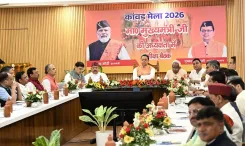
CM Dhami lays foundation stone for Haridwar Ganga Corridor

Synopsis
Chief Minister Pushkar Singh Dhami performed the bhoomi pujan and foundation-stone laying for Haridwar Ganga Corridor projects implemented by UIIDB on 21 July 2026, with three cabinet ministers in attendance, marking a significant push to upgrade pilgrimage infrastructure along the Ganges in Haridwar.
Key Takeaways
CM Pushkar Singh Dhami performed the bhoomi pujan and foundation-stone laying for Haridwar Ganga Corridor projects on 21 July 2026 .
The projects are being executed by UIIDB (Uttarakhand Infrastructure and Industrial Development Board).
Cabinet Ministers Satpal Maharaj , Madan Kaushik , and Pradeep Batra attended the ceremony in Haridwar .
The corridor aims to upgrade ghats, pedestrian infrastructure, and pilgrim amenities along the Ganges riverfront.
The initiative aligns with the central government's Namami Gange programme and the state's post-2021 riverfront development push.
Pilgrims, tourism operators, and Haridwar residents are the primary beneficiaries of the development.
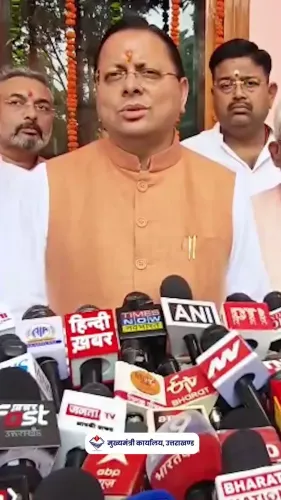
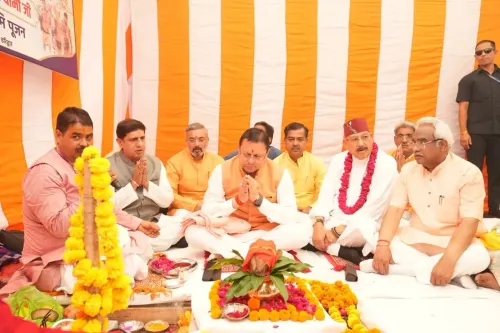
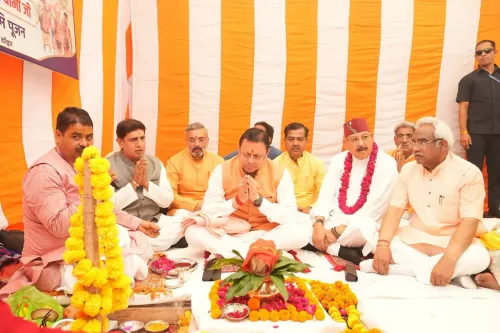
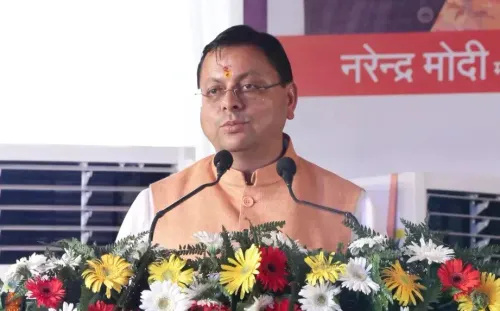
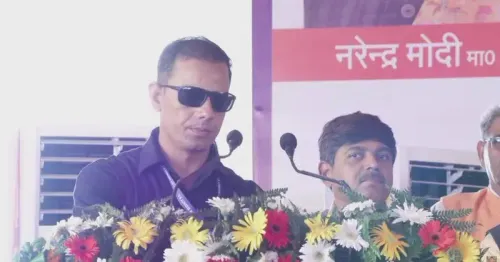
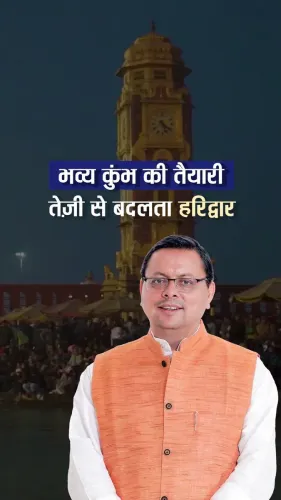
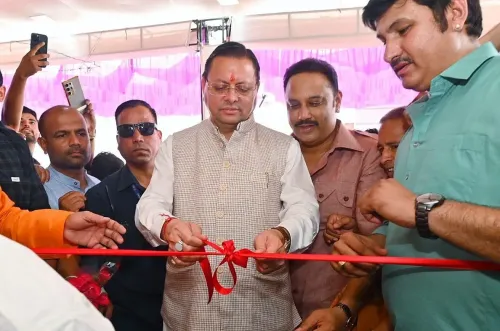
Chief Minister Pushkar Singh Dhami performed the bhoomi pujan (ground-breaking ceremony) and foundation-stone laying for projects under the Haridwar Ganga Corridor, executed by the Uttarakhand Infrastructure and Industrial Development Board (UIIDB), in Haridwar on Tuesday, 21 July 2026. The ceremony marks the formal commencement of riverfront development works aimed at upgrading pilgrim infrastructure along the Ganges in one of India's most visited holy cities.
The Chief Minister's Office confirmed that Cabinet Minister Satpal Maharaj, Cabinet Minister Madan Kaushik, and Cabinet Minister Pradeep Batra were present at the event alongside CM Dhami. The post stated: 'bhoomi pujan ke baad shilanyas kiya' — 'after the ground-breaking, the foundation stone was laid' — indicating the ceremony followed traditional Hindu consecration rites before construction begins.
Context
Haridwar is one of the four sites of the Kumbh Mela and receives tens of millions of pilgrims annually, placing immense pressure on riverfront ghats, pathways, and civic amenities. The Ganga Corridor project is a state initiative designed to build and upgrade ghats, pedestrian promenades, connectivity infrastructure, and visitor facilities along the Ganges riverfront in the city. UIIDB, the Uttarakhand state body responsible for planning and executing industrial and urban infrastructure, is the implementing agency for these works.
Policy Backdrop
The corridor aligns with the Namami Gange programme, launched by the Government of India in 2015, which included dedicated riverfront infrastructure components for towns in Uttarakhand. The Uttarakhand government subsequently announced Haridwar and Rishikesh riverfront corridor projects in successive state budgets after 2021 to expand pilgrimage capacity and improve last-mile connectivity at major religious sites. The state has also sought convergence with the central PRASHAD scheme, which funds pilgrimage rejuvenation and spiritual augmentation at heritage destinations.
Stakeholders and Impact
The primary beneficiaries are the millions of pilgrims and religious tourists who visit Haridwar each year, who stand to gain from improved ghat access, better crowd management infrastructure, and upgraded amenities. Local tourism operators, hoteliers, and traders in Haridwar are also stakeholders, as enhanced riverfront infrastructure typically drives longer visitor stays and higher footfall. Haridwar residents living near the Ganges riverfront will see direct changes to their urban environment as construction progresses.
What's Next
The phased rollout of the Ganga Corridor projects will depend on the release of central and state funds, land clearances, and coordination with ongoing Namami Gange works already under way in the city. Observers will watch whether the corridor's timelines are aligned with future Kumbh Mela preparations or integrated with proposed ropeway and connectivity projects in the Haridwar-Rishikesh belt. The UIIDB's execution capacity and project monitoring will be critical to meeting any announced deadlines for this high-visibility religious tourism initiative.
Point of View
The Dhami administration signals that this is a politically prioritised project, not a routine departmental exercise. The initiative fits a broader national pattern of state governments leveraging Namami Gange and PRASHAD funding to build durable electoral narratives around Ganga rejuvenation. The real test will be whether construction timelines hold and whether the corridor is operationally ready before the next major pilgrim surge at Haridwar.
NationPress
21 Jul 2026
Frequently Asked Questions
What is the Haridwar Ganga Corridor project?
The Haridwar Ganga Corridor is a state government initiative to develop and upgrade ghats, pedestrian pathways, and pilgrim amenities along the Ganges riverfront in Haridwar, implemented by the Uttarakhand Infrastructure and Industrial Development Board (UIIDB).
Who laid the foundation stone for the Haridwar Ganga Corridor?
Chief Minister Pushkar Singh Dhami laid the foundation stone during a bhoomi pujan ceremony in Haridwar on 21 July 2026, with Cabinet Ministers Satpal Maharaj, Madan Kaushik, and Pradeep Batra also present.
What is UIIDB and what role does it play in this project?
UIIDB stands for Uttarakhand Infrastructure and Industrial Development Board, the state agency responsible for planning and executing industrial and urban infrastructure projects. It is the implementing agency for the Haridwar Ganga Corridor works.
How does the Ganga Corridor relate to the Namami Gange programme?
The corridor aligns with the Namami Gange programme launched by the Government of India in 2015, which included riverfront infrastructure components for Uttarakhand towns and provides a policy and funding framework for such riverfront development.
Who will benefit from the Haridwar Ganga Corridor?
The primary beneficiaries are the millions of pilgrims and religious tourists who visit Haridwar annually, along with local tourism operators, traders, and Haridwar residents who will see improved riverfront access and upgraded civic amenities.