CM Dhami Meets First Kailash Mansarovar Yatra 2026 Batch in Tanakpur
Synopsis
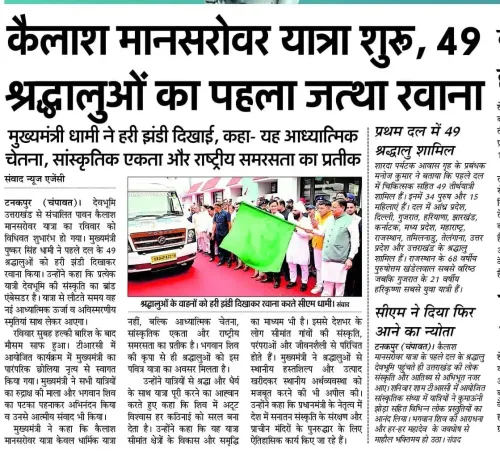
Uttarakhand Chief Minister Pushkar Singh Dhami met the first batch of Kailash Mansarovar Yatra 2026 pilgrims at Tanakpur in Champawat on 5 July, marking the start of this year's pilgrimage season facilitated by the Ministry of External Affairs via the Lipulekh route.
Key Takeaways
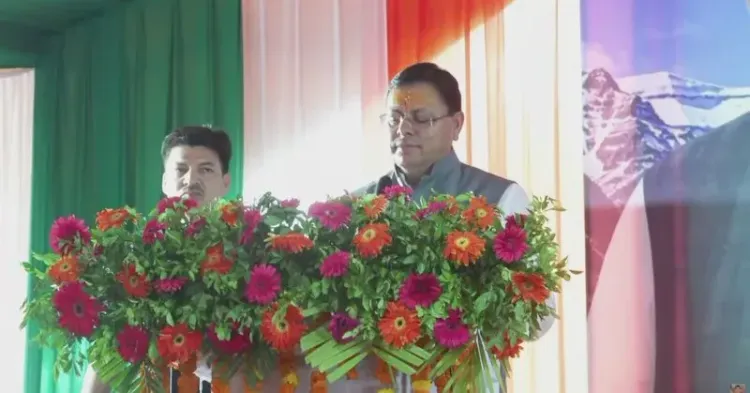
CM Pushkar Singh Dhami held a live interaction with the first batch of Kailash Mansarovar Yatra 2026 pilgrims at Tanakpur, Champawat on 5 July 2026 .
The Kailash Mansarovar Yatra has been conducted annually under Ministry of External Affairs oversight since 1981 , using the Lipulekh Pass route through Uttarakhand.
The yatra was suspended in 2020 due to COVID-19 and has been resuming in limited batches since 2023 .
Tanakpur in Champawat district serves as a primary staging, registration, and medical screening point for pilgrims.
Uttarakhand has upgraded road, transit camp, and medical infrastructure in Champawat and Pithoragarh to support the pilgrimage corridor.
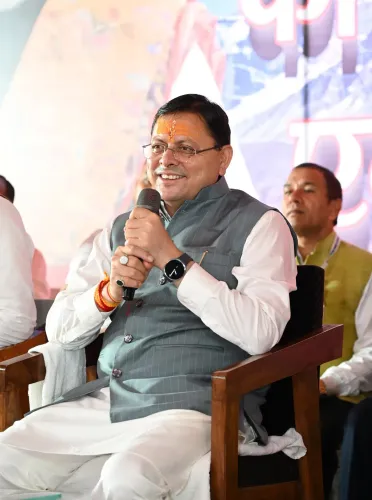
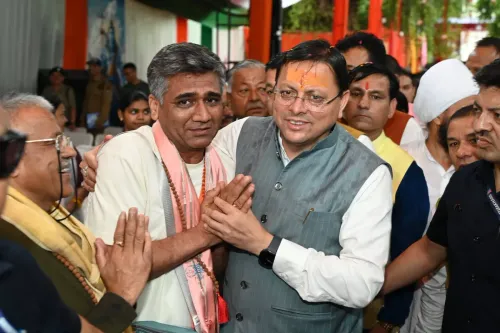
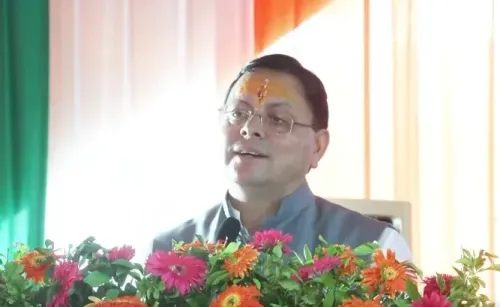
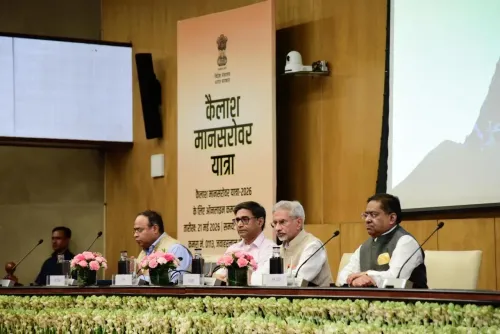
Uttarakhand Chief Minister Pushkar Singh Dhami held a live interaction with pilgrims of the first batch of the Kailash Mansarovar Yatra 2026 at Tanakpur in Champawat district on Sunday, 5 July 2026. The engagement, broadcast live on social media, marks the formal commencement of this year's pilgrimage season for one of Hinduism's most revered high-altitude yatras.
Context
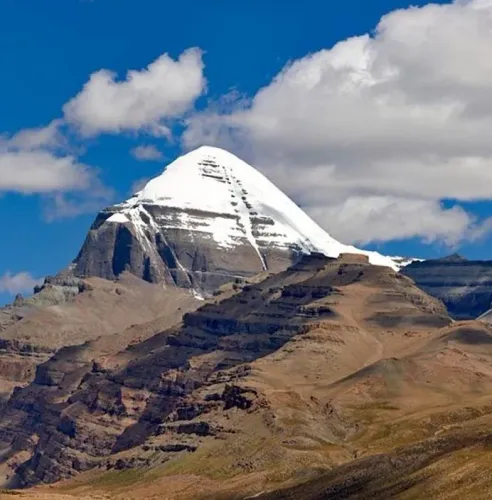
The Kailash Mansarovar Yatra is an annual pilgrimage to Mount Kailash and Lake Mansarovar in Tibet, facilitated by the Government of India with Uttarakhand serving as the primary transit corridor. The yatra has been conducted under Ministry of External Affairs (MEA) oversight since 1981, with the Lipulekh Pass route through Uttarakhand being the traditional pathway for Indian pilgrims. Tanakpur in Champawat district functions as a key staging point where pilgrims are registered, medically screened, and briefed before proceeding toward the high-altitude route.
Policy Backdrop
The yatra was suspended in 2020 due to the COVID-19 pandemic and resumed in limited batches from 2023 onward, making the 2026 edition part of the ongoing restoration of full pilgrimage operations. The MEA coordinates route permissions and determines batch sizes in consultation with Chinese authorities, while the Uttarakhand government manages on-ground logistics, transit camps, and medical facilities. Champawat and Pithoragarh districts have seen sustained infrastructure upgrades — including road improvements and pilgrim rest facilities — as the state positions itself as the definitive gateway for Himalayan religious tourism.
Stakeholders and Impact
The direct beneficiaries of a smooth yatra season are the pilgrims themselves, who undertake one of the world's most physically demanding religious journeys at altitudes exceeding 15,000 feet. Border district residents in Champawat and surrounding areas also benefit economically through hospitality, transport, and supply services generated by each pilgrim batch. At a broader level, the yatra carries cultural-diplomacy significance, reflecting India's engagement with Tibet-related pilgrimage access as part of its soft-power outreach in the region.
What's Next
Subsequent batches of the Kailash Mansarovar Yatra 2026 are expected to depart through Tanakpur over the coming weeks, subject to weather conditions and any MEA advisories on health protocols or route status. The state government is likely to continue monitoring pilgrim welfare at transit camps along the Champawat corridor. Any changes to batch sizes or operational guidelines will be coordinated between the Uttarakhand administration and the Ministry of External Affairs, with the pilgrimage season typically concluding before the onset of winter.
Point of View
The Uttarakhand government signals its active role in a yatra that is formally an MEA-administered exercise — reinforcing the state's claim as the indispensable Himalayan gateway. This fits a broader BJP pattern of associating governance with cultural and religious milestones, particularly those tied to sites of pan-Hindu significance. The interaction also draws attention to Champawat's infrastructure investments at a time when India-China engagement over Tibet-route access remains diplomatically sensitive.
NationPress
5 Oct 2026
Frequently Asked Questions
What is the Kailash Mansarovar Yatra?
The Kailash Mansarovar Yatra is an annual pilgrimage to Mount Kailash and Lake Mansarovar in Tibet, organised by the Government of India through the Ministry of External Affairs since 1981. Pilgrims travel via the Lipulekh Pass route through Uttarakhand.
Where does the Kailash Mansarovar Yatra 2026 begin from Uttarakhand?
Tanakpur in Champawat district, Uttarakhand, serves as the primary staging and registration point for pilgrims before they proceed toward the high-altitude Lipulekh Pass route into Tibet.
Why was the Kailash Mansarovar Yatra suspended?
The yatra was suspended in 2020 due to the COVID-19 pandemic and has been resuming in limited batches from 2023 onward as operational conditions were restored.
What is CM Dhami's role in the Kailash Mansarovar Yatra?
As Chief Minister of Uttarakhand, Pushkar Singh Dhami oversees state-level logistics, infrastructure, and pilgrim welfare along the yatra corridor. The formal coordination of routes and permissions is handled by the Ministry of External Affairs.
When did the first batch of Kailash Mansarovar Yatra 2026 depart?
CM Dhami's interaction with the first batch of pilgrims took place on 5 July 2026 at Tanakpur, Champawat, marking the start of the 2026 pilgrimage season.