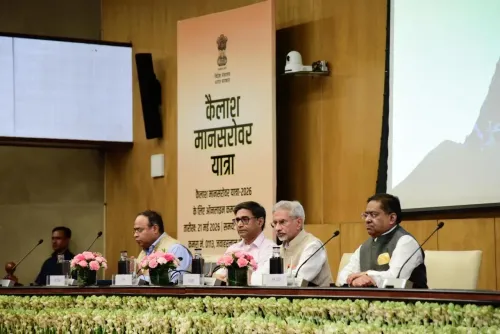
Kailash Mansarovar Yatra 2026: First batch enters Tibet via Nathula on June 20
Synopsis
For the first time since the post-COVID restart, the Kailash Mansarovar Yatra via Nathula is running at full pace — 500 pilgrims in 10 batches, upgraded acclimatisation infrastructure, and a June 20 Tibet crossing. The smooth conduct of this 22-day pilgrimage is being watched as both a spiritual milestone and a quiet diplomatic signal on the India-China front.
Key Takeaways
The first batch of 50 pilgrims is set to cross into Tibet via Nathula Pass on June 20, 2026 .
500 pilgrims were selected through a computerised MEA lottery from nearly 1,500 applicants , travelling in 10 batches .
Pilgrims arrive in Gangtok on June 15 and undergo acclimatisation at 18th Mile (10,500 ft) and Hangu Lake (13,000 ft) before crossing Nathula Pass (14,140 ft) .
The full pilgrimage is 22 days , including 12 days in Tibet covering the Kailash Parikrama .
Infrastructure at acclimatisation centres has been upgraded following the 2025 resumption after the COVID-19 suspension.
The final batch is expected to depart in August 2026 .
The 2026 Kailash Mansarovar Yatra via the Nathula Pass route is set to begin in earnest, with the first batch of 50 pilgrims scheduled to reach Gangtok, Sikkim on June 15 before crossing into China's Tibet Autonomous Region (TAR) on June 20, officials confirmed on Friday.
Sikkim Tourism Development Corporation (STDC) Chairman Lukendra Rasaily said the first batch had already reported in New Delhi on June 11 and is currently undergoing mandatory medical examinations, fitness assessments, visa processing, and other formalities coordinated by the Ministry of External Affairs (MEA).
Pilgrims Selected Through Computerised Lottery
A total of 500 pilgrims have been selected for the 2026 Yatra through a computerised lottery conducted by the MEA from nearly 1,500 applicants across India. The selected pilgrims will travel in 10 batches of 50 yatris each, with the final batch expected to depart in August 2026. The Nathula route was launched in 2015 as an alternative corridor to the sacred pilgrimage site.
Acclimatisation Programme and Route Details
Upon arriving in Gangtok, pilgrims will follow a structured acclimatisation schedule to prepare for extreme high-altitude conditions. They will spend two nights at the First Acclimatisation Centre at 18th Mile, situated at approximately 10,500 feet, followed by two nights at Hangu Lake at around 13,000 feet.
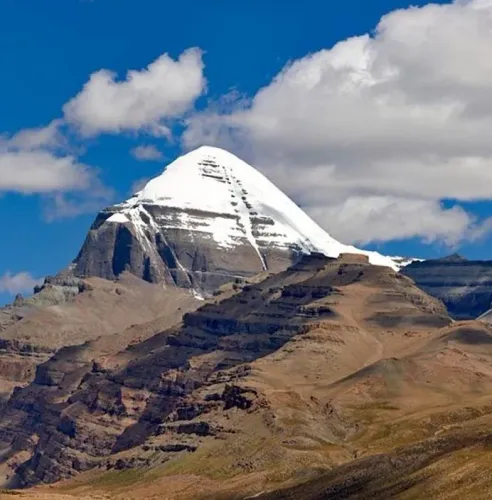
The acclimatisation phase includes local excursions, medical monitoring, and a final health clearance by the Indo-Tibetan Border Police (ITBP) before pilgrims are permitted to cross Nathula Pass, which stands at an elevation of 14,140 feet. Inside Tibet, the route passes through Kangma, Lazi, Zhongba, and Darchen — the gateway to Mount Kailash — before the sacred Kailash Parikrama, with key halts at Dirapuk and Zuthulpuk.
Upgraded Infrastructure After 2025 Resumption
Rasaily noted that facilities at the acclimatisation centres have been significantly upgraded following the successful resumption of the Yatra in 2025, after years of suspension due to the COVID-19 pandemic and related disruptions. 'Last year was effectively a restart after a long gap. This year, we are better prepared with improved facilities, enhanced connectivity and stronger medical support systems,' he said.
The full pilgrimage spans 22 days, including four days in Delhi for documentation and health checks, several days in Sikkim for acclimatisation, and nearly 12 days in Tibet. Medical teams, liaison officers, and officials from the MEA, ITBP, the Ministry of Ayush, and the Sikkim government will oversee the entire journey.
Spiritual Significance and India-China Ties
Considered among the holiest pilgrimages in Asia, the Kailash Mansarovar Yatra holds deep spiritual significance for Hindus, Buddhists, Jains, and followers of the Bon faith. Beyond its religious importance, the pilgrimage is also viewed as a measure of people-to-people engagement and bilateral cooperation between India and China through the strategically significant Nathula corridor. The smooth conduct of the 2026 edition will be closely watched as a diplomatic signal amid the broader India-China relationship.
Point of View
Which requires active Chinese cooperation, has historically been a barometer of India-China bilateral temperatures. That the 2025 restart went smoothly and the 2026 edition is proceeding with upgraded infrastructure and a full 500-pilgrim quota suggests both sides are quietly investing in normalisation optics, even as border tensions in other theatres remain unresolved. The real test of the Yatra's diplomatic weight will come if disruptions arise mid-season — and whether the MEA's coordination machinery is robust enough to handle them without escalation.
NationPress
26 Oct 2026
Frequently Asked Questions
When does the Kailash Mansarovar Yatra 2026 begin via Nathula?
The first batch of pilgrims is scheduled to cross into Tibet via Nathula Pass on June 20, 2026, after arriving in Gangtok, Sikkim on June 15. The batch had already reported in New Delhi on June 11 for medical and documentation procedures.
How many pilgrims are participating in the Kailash Mansarovar Yatra 2026?
A total of 500 pilgrims have been selected for the 2026 Yatra through a computerised lottery by the Ministry of External Affairs from nearly 1,500 applicants. They will travel in 10 batches of 50 yatris each, with the last batch departing in August 2026.
What is the acclimatisation process for Kailash Mansarovar Yatra pilgrims?
Pilgrims spend two nights at the First Acclimatisation Centre at 18th Mile (around 10,500 feet) and then two more nights at Hangu Lake (around 13,000 feet). A final health clearance by the ITBP is required before they are permitted to cross Nathula Pass at 14,140 feet.
What is the route of the Kailash Mansarovar Yatra via Nathula?
After crossing Nathula Pass, pilgrims travel through Kangma, Lazi, Zhongba, and Darchen — the gateway to Mount Kailash. The pilgrimage includes the Kailash Parikrama with halts at Dirapuk and Zuthulpuk before returning to India via the same route.
Why was the Kailash Mansarovar Yatra suspended and when did it resume?
The Yatra was suspended for several years due to the COVID-19 pandemic and related disruptions. It was successfully resumed in 2025, with 2026 marking the first fully upgraded edition, featuring improved acclimatisation facilities and stronger medical support systems.