Kailash Mansarovar Yatra 2026 begins via Nathu La Pass; 500 pilgrims in 10 batches

Synopsis
The Kailash Mansarovar Yatra 2026 has begun — and for the first time in years, 500 pilgrims are crossing into Tibet via Nathu La Pass in 10 structured batches, with India's Ambassador to China personally reviewing transit points and issuing travel guidance. The resumption is as much a diplomatic signal as it is a spiritual one.
Key Takeaways
The Kailash Mansarovar Yatra 2026 commenced on 20 June via the Nathu La Pass in Sikkim .
A total of 500 pilgrims will travel in 10 batches of 50 , each accompanied by a liaison officer and medical assistant.
The yatra is organised by the Ministry of External Affairs (MEA) in coordination with the Government of China .
Ambassador Vikram Doraiswami personally reviewed transit points on both the Nathu La and Lipulekh Pass routes ahead of the pilgrimage.
Pilgrims crossing via Nathu La will be received by Chinese customs and immigration and bused to Yadong County .
The Indian Embassy in Beijing confirmed additional travel advisories will follow in the coming days.
The Kailash Mansarovar Yatra 2026 commenced on Saturday, 20 June, with the first batch of pilgrims setting out on the sacred journey through the Nathu La Pass in Sikkim. Organised by the Ministry of External Affairs (MEA) in coordination with the Government of China, the pilgrimage marks the resumption of travel to Mount Kailash and Lake Mansarovar in the Tibet Autonomous Region.
How the Yatra Is Organised This Year
A total of 500 pilgrims will undertake the yatra through the Nathu La route this season, divided into 10 batches of 50 participants each. Every batch will travel with a dedicated liaison officer and a medical assistant to ensure coordination and provide on-ground support throughout the journey.
The pilgrimage route through Nathu La is one of two official corridors — the other being the Lipulekh Pass route in Uttarakhand — both of which were reviewed for logistical readiness ahead of the season's start.
What India's Ambassador to China Said
Ahead of the departure, India's Ambassador to China, Vikram Doraiswami, released a video message welcoming pilgrims and offering travel guidance. The Indian Embassy in Beijing shared the message on X, stating: 'The Kailash Mansarovar Yatra 2026, organised by the Ministry of External Affairs (MEA) in coordination with the Government of the People's Republic of China, departs Indian territory on 20 June. The Embassy team warmly welcomes all pilgrims travelling to the holy Mt Kailash and sacred Lake Mansarovar through both official and private channels.'
Ambassador Doraiswami and his team also personally visited key transit points along both pilgrimage corridors — in Sikkim and Uttarakhand — to review preparations and logistical arrangements before the yatra's commencement.
What Pilgrims Can Expect at the Border
According to Ambassador Doraiswami's guidance, pilgrims crossing via Nathu La will be received by Chinese customs and immigration authorities before being transported by bus to Yadong County. His message covered travel schedules, accommodation arrangements, food facilities, and currency exchange services available along the route.
The Embassy also confirmed that additional videos and travel advisories will be released in the coming days to assist pilgrims. 'Wishing all pilgrims a safe, fulfilling, and spiritually enriching journey,' it said.
Why the Kailash Mansarovar Yatra Holds Special Significance
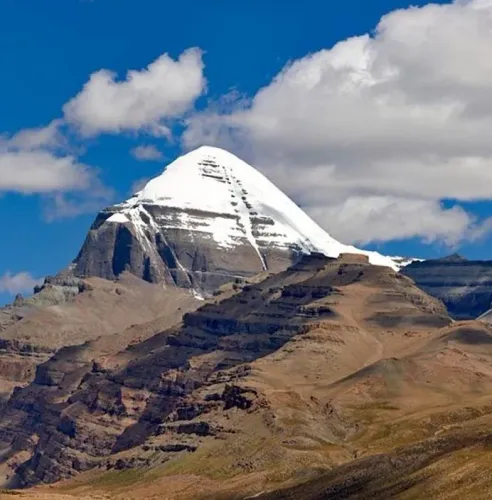
The Kailash Mansarovar Yatra is among the most revered pilgrimages for followers of Hinduism, Buddhism, Jainism, and the Bon faith. Mount Kailash is believed to be the abode of Lord Shiva, while Lake Mansarovar is regarded as one of the holiest lakes in the world. For millions of devotees, completing the yatra is considered a once-in-a-lifetime spiritual milestone defined by faith, endurance, and devotion.
The resumption of the yatra also carries diplomatic significance, reflecting the operational state of India-China bilateral arrangements on cross-border religious travel. All eyes will now be on whether the remaining batches proceed without disruption across both routes.
Point of View
Most notably after the 2017 Doklam standoff and the 2020 Galwan clash. Its structured restart, with the MEA coordinating directly with Beijing and the Ambassador personally inspecting transit routes, signals a deliberate effort to normalise bilateral channels. What the mainstream coverage tends to underplay is that 500 pilgrims in 10 batches is a modest number — the yatra once accommodated far larger groups — and the real measure of diplomatic thaw will be whether capacity expands in coming seasons.
NationPress
19 Sept 2026
Frequently Asked Questions
When did the Kailash Mansarovar Yatra 2026 begin?
The Kailash Mansarovar Yatra 2026 began on Saturday, 20 June, with the first batch of pilgrims departing via the Nathu La Pass in Sikkim. The pilgrimage is organised by India's Ministry of External Affairs in coordination with the Government of China.
How many pilgrims are travelling on the Kailash Mansarovar Yatra 2026?
A total of 500 pilgrims will undertake the yatra through the Nathu La route this year, divided into 10 batches of 50 participants each. Every batch is accompanied by a liaison officer and a medical assistant.
What route does the Kailash Mansarovar Yatra take via Nathu La?
Pilgrims crossing via Nathu La Pass in Sikkim are received by Chinese customs and immigration authorities at the border before being transported by bus to Yadong County in the Tibet Autonomous Region. From there, the journey continues toward Mount Kailash and Lake Mansarovar.
Who oversees the Kailash Mansarovar Yatra arrangements?
The yatra is organised by India's Ministry of External Affairs (MEA) in coordination with the Government of China. India's Ambassador to China, Vikram Doraiswami, personally reviewed transit points on both the Nathu La and Lipulekh Pass routes ahead of the pilgrimage's commencement.
Why is the Kailash Mansarovar Yatra religiously significant?
Mount Kailash is revered as the abode of Lord Shiva in Hindu belief, while Lake Mansarovar is considered one of the holiest lakes in the world. The pilgrimage holds deep significance for followers of Hinduism, Buddhism, Jainism, and the Bon faith, and is widely regarded as a once-in-a-lifetime spiritual journey.