Kailash Mansarovar Yatra 2026 first batch flagged off in New Delhi
Synopsis
The Kailash Mansarovar Yatra 2026 has resumed after years of suspension, with the first batch flagged off in New Delhi on 13 June. With 1,000 pilgrims across 20 batches, fully motorable routes, and India's Ambassador personally reviewing arrangements in Lhasa, the yatra's return is as much a diplomatic signal as a religious milestone.
Key Takeaways
MoS for External Affairs Pabitra Margherita flagged off the first batch of KMY 2026 on 13 June 2026 at Jawaharlal Nehru Bhawan, New Delhi .
A total of 1,000 yatris have been selected, travelling in 20 batches of 50 each from June to August 2026 .
Routes via Lipulekh Pass (Uttarakhand) and Nathu La Pass (Sikkim) are both fully motorable with minimal trekking.
Indian Ambassador Vikram Doraiswami visited Lhasa, Tibet to review pilgrim arrangements ahead of the flag-off.
New acclimatisation centres, inaugurated virtually by PM Narendra Modi , will house pilgrims along both routes.
The selection was conducted via a computerised, gender-balanced draw overseen by EAM S.
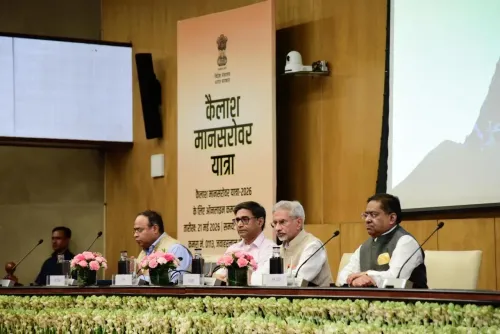
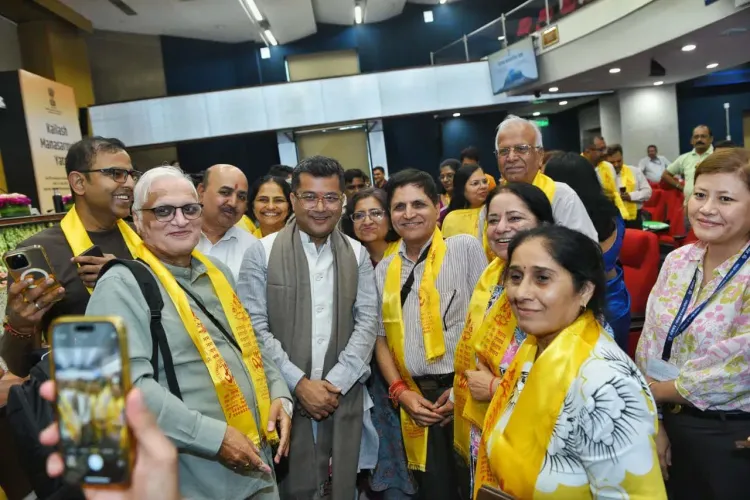
The first batch of pilgrims for the Kailash Mansarovar Yatra (KMY) 2026 was flagged off on Saturday, 13 June 2026, at Jawaharlal Nehru Bhawan in New Delhi, with Minister of State for External Affairs Pabitra Margherita presiding over the ceremony. The resumption of the annual pilgrimage marks a significant moment in India-China diplomatic and people-to-people ties.
What Margherita Said at the Ceremony
Addressing the outbound yatris, Margherita congratulated them on their selection and informed them that accommodation would be available at newly built acclimatisation centres, which were recently inaugurated virtually by Prime Minister Narendra Modi. He also acknowledged the coordinated efforts of multiple central ministries and the state governments of Uttarakhand, Sikkim, and Uttar Pradesh in ensuring a safe and fulfilling pilgrimage experience.
Indian Ambassador Reviews Arrangements in Lhasa
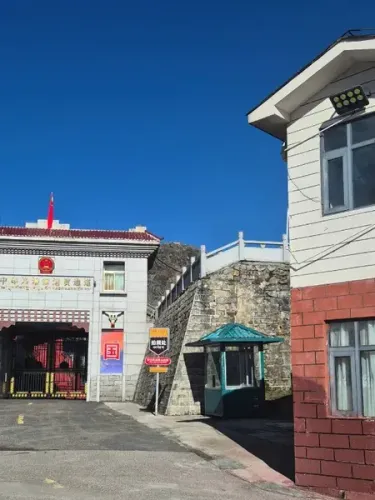
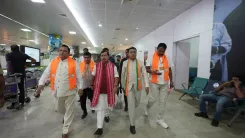
Days before the flag-off, Indian Ambassador to China Vikram Doraiswami travelled to Lhasa, Tibet, to jointly review on-ground arrangements made by local government authorities for Indian pilgrims. According to the Embassy of India in Beijing, in a post on X, the visit was described as a 'first visit to the Tibet Autonomous Region' by the Ambassador and embassy colleagues, focused specifically on pilgrim logistics and facilities.
How the 2026 Yatra Is Structured
A total of 1,000 yatris have been selected for KMY 2026, divided into 20 batches of 50 pilgrims each. The yatra runs from June through August 2026. Pilgrims will travel via two routes — the Lipulekh Pass in Uttarakhand and the Nathu La Pass in Sikkim — both of which are now fully motorable, requiring minimal trekking. The selection process was conducted through a computerised, random, gender-balanced draw overseen by External Affairs Minister S. Jaishankar last month.
Background and Significance
The Kailash Mansarovar Yatra is organised annually by the Ministry of External Affairs (MEA) in coordination with the Chinese government. The entire process — from online applications to final selection — is fully computerised. The yatra had been suspended for several years owing to the COVID-19 pandemic and subsequent strains in India-China bilateral relations following the 2020 Galwan Valley standoff. Its resumption in 2026 is being read as a further sign of diplomatic thaw between the two countries.
What Happens Next
The remaining 19 batches are scheduled to depart in phased intervals through August. Pilgrims on both routes will benefit from upgraded infrastructure, including the new acclimatisation facilities. Officials have indicated that coordination between Indian and Chinese authorities will continue throughout the pilgrimage season to ensure pilgrim safety and smooth passage.
Point of View
Underlining that both sides are investing political capital in making the yatra succeed. The upgrade to fully motorable routes and new acclimatisation infrastructure also reflects a shift from the yatra's historically arduous character toward a managed, state-facilitated pilgrimage — which may broaden access but changes the nature of the journey. The bigger question is whether the yatra's smooth conduct this season can anchor a broader stabilisation of India-China ties, or whether it remains a symbolic gesture insulated from the deeper strategic tensions that have not been fully resolved since 2020.
NationPress
27 Oct 2026
Frequently Asked Questions
What is the Kailash Mansarovar Yatra 2026?
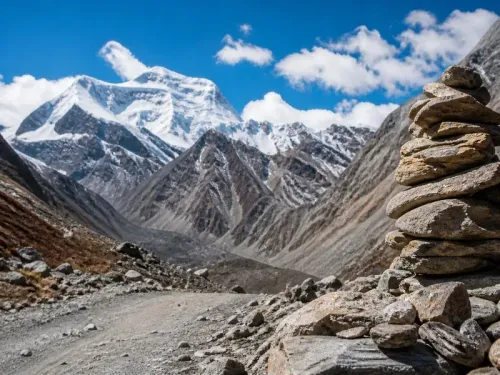
The Kailash Mansarovar Yatra (KMY) 2026 is an annual pilgrimage to Mount Kailash and Lake Mansarovar in Tibet, organised by India's Ministry of External Affairs in coordination with the Chinese government. The 2026 edition runs from June to August, with 1,000 selected pilgrims travelling in 20 batches of 50 via the Lipulekh and Nathu La passes.
Who flagged off the first batch of KMY 2026?
Minister of State for External Affairs Pabitra Margherita presided over the flagging-off ceremony on 13 June 2026 at Jawaharlal Nehru Bhawan in New Delhi. He congratulated the yatris and briefed them on the new acclimatisation facilities along both routes.
Which routes are used for Kailash Mansarovar Yatra 2026?
Pilgrims will travel via two routes: the Lipulekh Pass in Uttarakhand and the Nathu La Pass in Sikkim. Both routes are now fully motorable and require very little trekking, according to the Ministry of External Affairs.
How were pilgrims selected for KMY 2026?
Pilgrims were selected through a fully computerised, random, gender-balanced draw conducted by External Affairs Minister S. Jaishankar last month. The entire process, from online application to final selection, is managed digitally by the MEA.
Why is the resumption of KMY 2026 significant?
The yatra had been suspended for several years due to the COVID-19 pandemic and tensions stemming from the 2020 Galwan Valley standoff between India and China. Its resumption in 2026, along with Indian Ambassador Vikram Doraiswami's visit to Lhasa to review arrangements, is widely seen as a positive signal in the gradual normalisation of India-China bilateral relations.