Jaishankar holds computerised draw for Kailash Mansarovar Yatra 2026
Synopsis
After a five-year suspension, the Kailash Mansarovar Yatra is back in full swing — and EAM Jaishankar personally oversaw the computerised draw that selected 1,000 pilgrims for the 2026 edition. With both Lipulekh and Nathu La routes now fully motorable and Nepal's border objections firmly rebuffed, the pilgrimage carries weight well beyond the religious.
Key Takeaways
Jaishankar conducted the computerised draw for KMY 2026 on 21 May , the MEA announced.
1,000 Yatris selected in 20 batches of 50 each, travelling via Lipulekh and Nathu La passes.
The Yatra runs from June to August 2026 ; both routes are now fully motorable .
KMY was suspended from 2020 to summer 2025 due to Covid-19 and non-renewal by China.
MEA reaffirmed Lipulekh Pass as a Yatra route since 1954 , pushing back on Nepal's objections.
Logistical support provided by KMVN , STDC , and the ITBP , with altitudes reaching up to 19,500 feet .
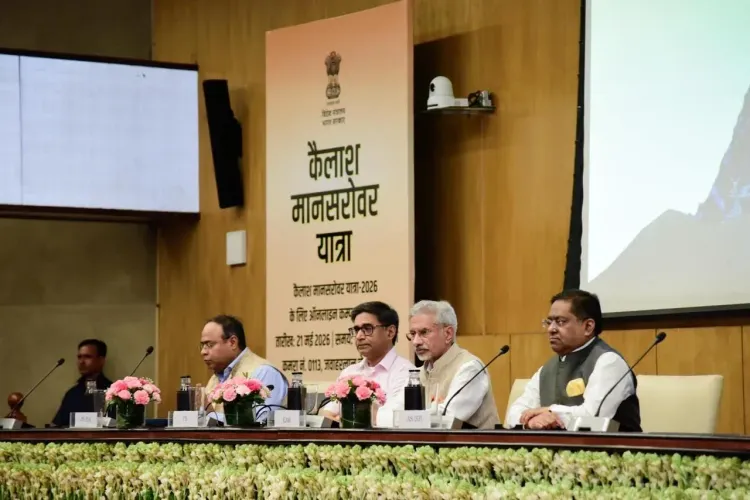
External Affairs Minister S. Jaishankar on Thursday, 21 May personally conducted the computerised draw for the selection of pilgrims for the Kailash Mansarovar Yatra (KMY) 2026, the Ministry of External Affairs (MEA) announced. A total of 1,000 Yatris have been selected through a fair, computer-generated, random, and gender-balanced process for the pilgrimage, which will run from June to August 2026.
Selection Process and Batch Details
The selected pilgrims will travel in 20 batches of 50 Yatris each, crossing into Tibet via the Lipulekh Pass in Uttarakhand and the Nathu La Pass in Sikkim. The MEA confirmed that both routes are now fully motorable and involve minimal trekking — a significant logistical improvement for pilgrims. The entire process, from online application to final selection, is fully computerised, organised by the MEA in coordination with the Government of the People's Republic of China.
Return After a Five-Year Suspension
The KMY was suspended from 2020 through the summer of 2025 following the Covid-19 outbreak and the subsequent non-renewal of Yatra arrangements by the Chinese side. The 2026 edition marks only the second year of its resumption, making the draw particularly significant for the large pool of applicants who had been waiting years for the opportunity.
Religious Significance and the Lipulekh Dispute
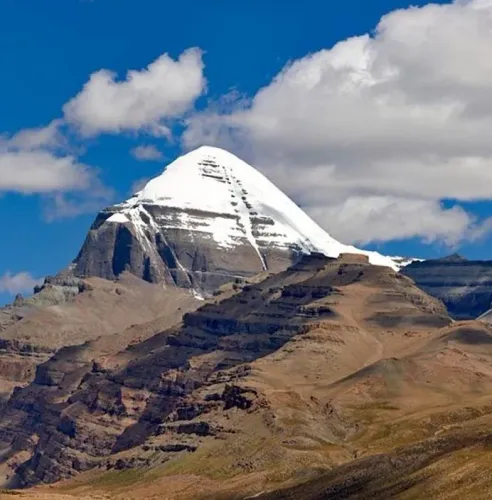
The Kailash-Mansarovar pilgrimage holds deep religious importance for Hindus — revered as the abode of Lord Shiva — as well as for Jains and Buddhists. This comes amid a simmering diplomatic backdrop: earlier in May, Nepal's Foreign Ministry raised objections concerning the Lipulekh Pass route in the context of the Yatra. The MEA firmly rebutted the claim, with spokesperson Randhir Jaiswal stating: 'Lipulekh Pass has been a long-standing route for the Kailash Mansarovar Yatra since 1954, and the Yatra through this route has been going on for decades. This is not a new development.'
Logistics and State Support
The KMY is described by the MEA as an arduous and physically demanding pilgrimage, with trekking through terrain reaching altitudes of up to 19,500 feet under harsh conditions. The Yatra is organised with the support of the state governments of Uttarakhand, Delhi, and Sikkim, and the cooperation of the Indo Tibetan Border Police (ITBP). Logistical support is provided by the Kumaon Mandal Vikas Nigam (KMVN) and the Sikkim Tourism Development Corporation (STDC) along with their associated organisations.
With the draw now complete, the MEA is expected to notify selected Yatris and begin pre-departure medical screening and orientation in the coming weeks.
Point of View
But it is anything but. The Yatra's resumption is a quiet diplomatic signal — India and China have normalised a key bilateral arrangement that was frozen for five years. Jaishankar personally presiding over the draw amplifies that message. Meanwhile, Nepal's objections over Lipulekh, however predictable, were swatted away with a historical citation dating to 1954 — India is clearly unwilling to let the pilgrimage become a bargaining chip in the tri-junction dispute. The real story is whether this religious corridor becomes a template for broader India-China normalisation, or remains a carefully managed, politically convenient exception.
NationPress
5 Oct 2026
Frequently Asked Questions
What is the Kailash Mansarovar Yatra 2026 computerised draw?
It is the official selection process through which 1,000 pilgrims were chosen for the Kailash Mansarovar Yatra 2026, conducted via a computer-generated, gender-balanced random draw overseen by EAM S. Jaishankar on 21 May. The selected Yatris will travel in 20 batches of 50 via the Lipulekh and Nathu La passes between June and August 2026.
Why was the Kailash Mansarovar Yatra suspended and when did it resume?
The KMY was suspended in 2020 following the Covid-19 pandemic and the subsequent non-renewal of Yatra arrangements by the Chinese side. It resumed in the summer of 2025, making 2026 only the second year of its reinstatement.
Which routes are used for the Kailash Mansarovar Yatra 2026?
The Yatra uses two routes — the Lipulekh Pass in Uttarakhand and the Nathu La Pass in Sikkim. The MEA has confirmed both routes are now fully motorable and involve very little trekking.
Why did Nepal object to the Lipulekh Pass route?
Nepal's Foreign Ministry raised concerns about the Lipulekh Pass route in the context of the Kailash Mansarovar Yatra earlier in May. India's MEA firmly rejected the objection, stating that Lipulekh Pass has been a Yatra route since 1954 and the pilgrimage through it has continued for decades.
Who provides logistical support for the Kailash Mansarovar Yatra?
The Yatra is supported by the state governments of Uttarakhand, Delhi, and Sikkim, with the Indo Tibetan Border Police (ITBP) providing cooperation. The Kumaon Mandal Vikas Nigam (KMVN) and Sikkim Tourism Development Corporation (STDC) handle on-ground logistics for each batch.