Ambassador Doraiswami in Lhasa to review Kailash Mansarovar Yatra 2026 arrangements

Synopsis
For the first time since the India-China border standoff era, an Indian ambassador has travelled to Lhasa specifically to inspect KMY logistics — a quiet but significant diplomatic signal. With 1,000 pilgrims set to traverse Lipulekh and Nathu La in 20 batches from June, the 2026 yatra is the most structured resumption since the pilgrimage was frozen in 2020.
Key Takeaways
Ambassador Vikram Doraiswami arrived in Lhasa on 11 June — the Embassy's first visit to the Tibet Autonomous Region ahead of the KMY 2026 season.
He met Zhao Peng , Vice Chairman of the Tibet Autonomous Region, who briefed him on pilgrim facilities and preparations.
1,000 Yatris selected in 20 batches of 50 will travel via Lipulekh and Nathu La passes from June to August 2026 .
The yatra was suspended from 2020 due to Covid-19 and non-renewal by the Chinese side, resuming only in summer 2025 .
The pilgrimage involves altitudes of up to 19,500 feet and is supported by ITBP , KMVN , and STDC .
Indian Ambassador to China Vikram Doraiswami arrived in Lhasa, the historical and spiritual capital of Tibet, on Thursday, 11 June to review preparations made by local authorities for Indian pilgrims undertaking the Kailash Mansarovar Yatra (KMY) 2026. The visit marks the Embassy's first trip to the Tibet Autonomous Region ahead of the pilgrimage season, which is set to commence later this month.
Reception and Bilateral Meetings
Ambassador Doraiswami was received at Lhasa Airport by Yang Lahong, Deputy Director General of the Foreign Affairs Office of the Tibet Autonomous Region. He subsequently met Zhao Peng, Vice Chairman of the Tibet Autonomous Region, who provided a detailed briefing on facilities and logistical preparations in place for the incoming pilgrims. The Embassy of India in Beijing confirmed the visit and the meetings in a post on X.
Scale and Structure of KMY 2026
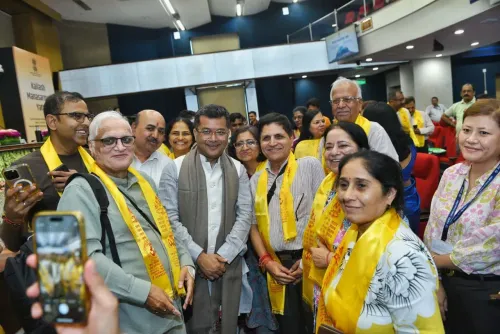
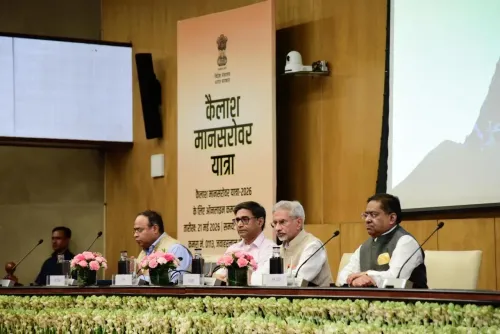
The 2026 edition of the Kailash Mansarovar Yatra will run from June to August, with 1,000 Yatris selected through a fully computerised, random, gender-balanced draw conducted last month by External Affairs Minister S. Jaishankar. Pilgrims will travel in 20 batches of 50 each, taking either the Lipulekh Pass route in Uttarakhand or the Nathu La Pass route in Sikkim — both of which are now fully motorable, with minimal trekking required.
A Pilgrimage Resuming After a Five-Year Gap
The Kailash Mansarovar Yatra was suspended from 2020 following the Covid-19 outbreak and the subsequent non-renewal of arrangements by the Chinese side, resuming only in the summer of 2025. The yatra holds deep religious significance for Hindus — who revere Mount Kailash as the abode of Lord Shiva — as well as for Jains and Buddhists. This comes amid a broader effort by both governments to restore people-to-people ties that were disrupted during years of border tensions and the pandemic.
Logistics and Supporting Agencies
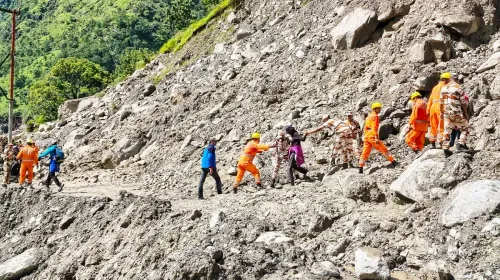
The yatra is organised by the Ministry of External Affairs (MEA) in coordination with the Chinese government, with support from the state governments of Uttarakhand, Delhi, and Sikkim, and the Indo-Tibetan Border Police (ITBP). On the ground, the Kumaon Mandal Vikas Nigam (KMVN) and the Sikkim Tourism Development Corporation (STDC) provide logistical support for each batch within India. According to the MEA, the yatra remains physically arduous, with pilgrims traversing altitudes of up to 19,500 feet under demanding conditions.
What Comes Next
With official Yatris scheduled to arrive in Tibet later this month, the ambassador's review visit signals that diplomatic groundwork is in place. All eyes will now be on the smooth execution of the first full-season KMY since the India-China relationship began its cautious post-Galwan thaw.
Point of View
And its structured revival in 2026 is as much a political statement as a logistical one. What merits scrutiny is whether the Chinese side's 'detailed briefing on facilities' translates into verifiable on-ground readiness, or remains ceremonial assurance. The real test of bilateral thaw will come not in Lhasa meeting rooms but on the Lipulekh and Nathu La passes when the first batches actually move.
NationPress
13 Sept 2026
Frequently Asked Questions
Why did Ambassador Doraiswami visit Lhasa in June 2026?
Ambassador Vikram Doraiswami travelled to Lhasa on 11 June 2026 to jointly review arrangements made by Tibetan local authorities for Indian pilgrims undertaking the Kailash Mansarovar Yatra 2026. It was the Embassy of India's first visit to the Tibet Autonomous Region ahead of the pilgrimage season.
How many pilgrims will participate in the Kailash Mansarovar Yatra 2026?
A total of 1,000 Yatris have been selected for KMY 2026 through a computerised, gender-balanced draw. They will travel in 20 batches of 50 pilgrims each, via the Lipulekh Pass and Nathu La Pass routes, between June and August 2026.
Why was the Kailash Mansarovar Yatra suspended for five years?
The yatra was suspended from 2020 following the Covid-19 pandemic and the subsequent non-renewal of yatra arrangements by the Chinese side. It resumed in the summer of 2025 after a five-year gap.
Which routes are used for the Kailash Mansarovar Yatra 2026?
Pilgrims will travel via the Lipulekh Pass in Uttarakhand and the Nathu La Pass in Sikkim. Both routes are now fully motorable and involve minimal trekking, according to the Ministry of External Affairs.
Which agencies support the Kailash Mansarovar Yatra?
The yatra is organised by the Ministry of External Affairs in coordination with the Chinese government, with support from the state governments of Uttarakhand, Delhi, and Sikkim, and the Indo-Tibetan Border Police (ITBP). The Kumaon Mandal Vikas Nigam (KMVN) and the Sikkim Tourism Development Corporation (STDC) handle logistical support for each batch within India.