CM Dhami Meets Multi-Sector Delegations, Takes Development Inputs
Synopsis
Uttarakhand Chief Minister Pushkar Singh Dhami held a wide-ranging delegation meeting on 11 July 2026, receiving inputs from over ten groups spanning farmers, women's wings, steel manufacturers, journalists, a government college, and rural gram sabhas across the state.
Key Takeaways
CM Pushkar Singh Dhami received delegations from more than ten organisations on 11 July 2026 .
Groups included BJP Mahila Morcha , Akhil Garhwal Sabha , Kisan Aayog , and Uttarakhand Steel Manufacturers Association .
Gram Sabha Luthiyag from Rudraprayag and workers from Saklana Patti represented rural and sub-divisional constituencies.
Rajkiya Mahavidyalaya Lohaghat in Champawat district was among the educational bodies that participated.
Delegations shared suggestions directly with the Chief Minister in a structured consultation format.
Such meetings in Uttarakhand have historically preceded state budget revisions or district development plan updates.
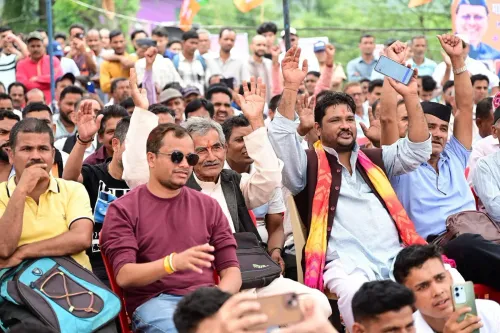
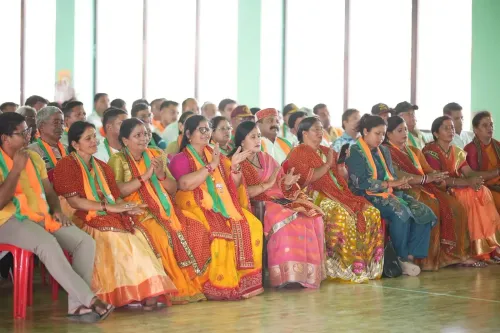
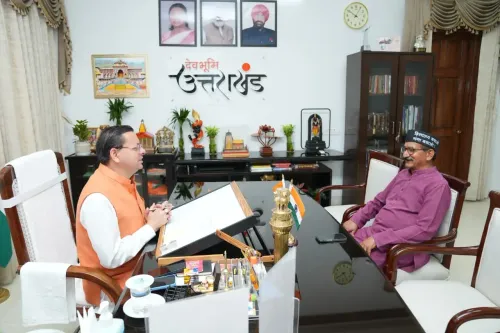
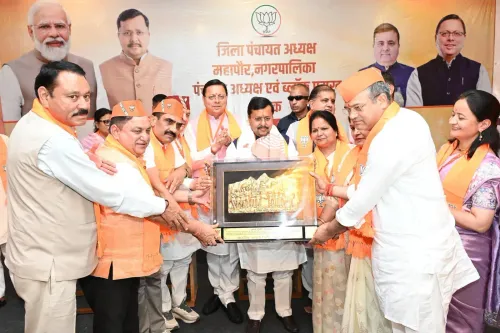
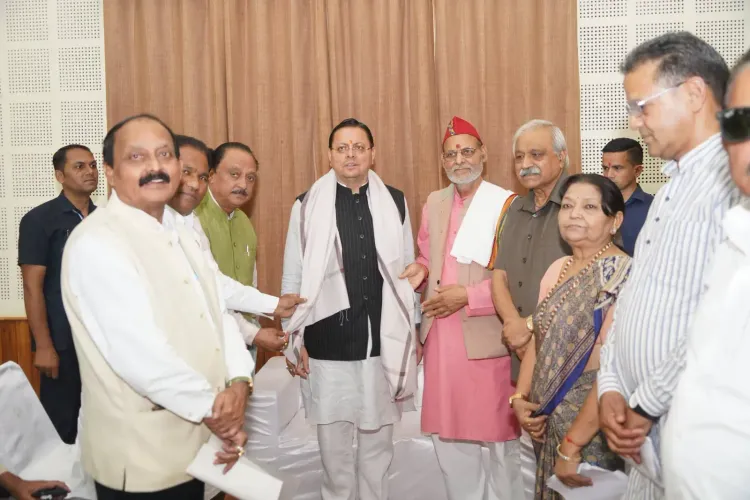
Uttarakhand Chief Minister Pushkar Singh Dhami on Saturday, 11 July 2026 received a series of delegations from diverse civil society, industry, and community organisations, who presented their suggestions and views directly to the state leadership.
Context
The Chief Minister's outreach session brought together delegations from Shri Gurudwara Sabha, BJP Mahila Morcha, Kisan Aayog (Farmers Commission), Akhil Garhwal Sabha, Pradeshik Vikas Seva Sangathan, Gram Sabha Luthiyag (Rudraprayag), journalists, Uttarakhand Steel Manufacturers Association, Rajkiya Mahavidyalaya Lohaghat, and workers from Saklana Patti. Each group shared its priorities and recommendations with CM Dhami in a structured meeting format.
The post, shared from Dhami's official X account, described the occasion as one where delegations 'apne sujhav evam vichar saajha kiye' — shared their suggestions and views — signalling an open-door consultation approach by the state government.
Policy Backdrop
The Uttarakhand government has since 2022 maintained a practice of district-level and state-level consultation meetings with civil society and industry representatives ahead of policy formulation and budget sessions. Such structured delegation meetings are a key instrument through which the state administration collects ground-level inputs from geographically dispersed hill communities.
Akhil Garhwal Sabha is a longstanding socio-cultural body representing the interests of the Garhwal region, while the Uttarakhand Steel Manufacturers Association represents small and medium steel producers who are a significant part of the state's industrial base. The inclusion of Gram Sabha Luthiyag from Rudraprayag — a district central to the state's pilgrimage economy — and Rajkiya Mahavidyalaya Lohaghat from Champawat district underscores the geographic breadth of the outreach.
Stakeholders and Impact
The range of groups present — spanning women's organisations, the farming sector, regional cultural bodies, local journalists, the steel manufacturing industry, a government college, and grassroots village bodies — reflects the breadth of constituencies whose concerns feed into state-level planning. BJP Mahila Morcha's participation indicates that the women's wing is actively channelling local concerns upward through the party-government interface.
For small industries such as steel manufacturers and rural bodies like Gram Sabha Luthiyag, direct access to the Chief Minister represents an opportunity to flag infrastructure gaps, regulatory hurdles, or development scheme implementation issues. Workers from Saklana Patti, a sub-divisional area in Tehri Garhwal, also used the occasion to present their regional concerns.
What's Next
In Uttarakhand's governance pattern, delegation meetings of this kind have historically preceded announcements in district development plans or state budget revisions. The suggestions collected from this wide cross-section of stakeholders — covering rural governance, agriculture, industry, education, and regional culture — are likely to inform upcoming policy decisions or scheme modifications by the state administration.
Whether specific demands from the Steel Manufacturers Association, the Kisan Aayog, or the college in Lohaghat translate into concrete policy action will be a key indicator of the substantive outcomes from this round of consultations.
Point of View
Class, and geographic lines. The inclusion of journalists as a distinct delegation group is notable, suggesting the administration is also managing information flows alongside policy inputs. If concrete follow-through on these suggestions materialises in district plans or the next budget, this round of consultations will carry substantive weight beyond optics.
NationPress
11 Jul 2026
Frequently Asked Questions
Who met CM Pushkar Singh Dhami on 11 July 2026?
More than ten delegations met CM Dhami, including BJP Mahila Morcha, Akhil Garhwal Sabha, Kisan Aayog, Uttarakhand Steel Manufacturers Association, Gram Sabha Luthiyag from Rudraprayag, Rajkiya Mahavidyalaya Lohaghat, journalists, Pradeshik Vikas Seva Sangathan, Shri Gurudwara Sabha, and workers from Saklana Patti.
What is Akhil Garhwal Sabha?
Akhil Garhwal Sabha is a longstanding socio-cultural organisation that represents the interests of communities from the Garhwal region of Uttarakhand.
Why do delegations meet the Uttarakhand Chief Minister?
Delegations meet the Chief Minister to present their suggestions on local development, policy priorities, and scheme implementation. In Uttarakhand, such meetings have been a regular feature since 2022 and often precede budget or district development plan decisions.
What is Gram Sabha Luthiyag?
Gram Sabha Luthiyag is a village-level local body located in Rudraprayag district, a central Uttarakhand district known for its pilgrimage routes and rural communities.
What could follow from CM Dhami's delegation meetings?
Based on past practice, inputs gathered from such delegation meetings in Uttarakhand are likely to feed into upcoming state budget sessions or district development plans, potentially resulting in new announcements or scheme revisions.