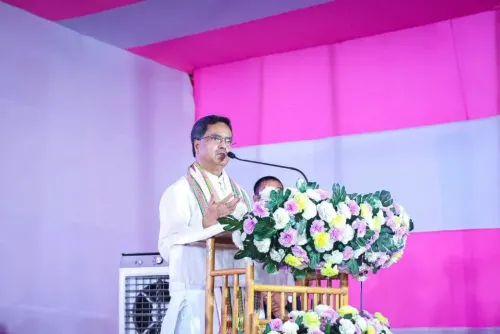
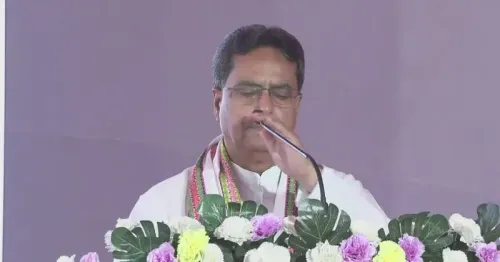
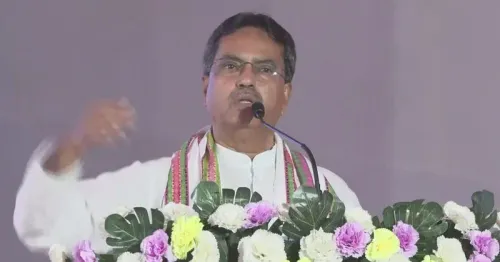
CM Manik Saha Inaugurates Renovated Shivbari Pond in Agartala
Synopsis
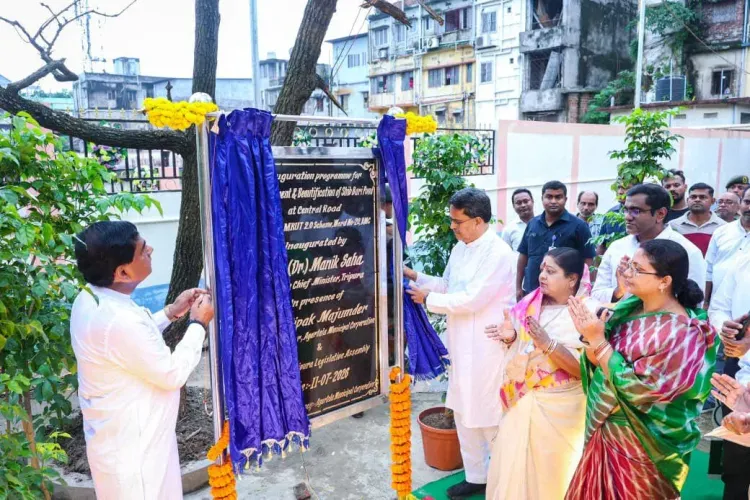
Tripura Chief Minister Dr. Manik Saha inaugurated the renovated Shivbari Pond in Agartala on 11 July 2026, the latest in a state-wide drive that has restored 24 ponds at a total investment of ₹137.10 crore, blending heritage conservation with urban ecology.
Key Takeaways
Manik Saha inaugurated the renovated Shivbari Pond in Agartala on 11 July 2026 .
The pond falls under the Agartala Municipal Corporation and is linked to Tripura's former royal heritage.
The state government has renovated 24 ponds across Tripura over the past few years.
Total investment in the pond renovation programme stands at ₹137.10 crore .
The government has emphasised community participation as essential to long-term upkeep of restored water bodies.
The initiative aligns with national urban schemes promoting water infrastructure, ecological health, and heritage conservation.
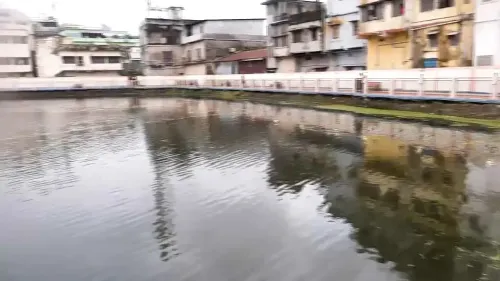
Tripura Chief Minister Dr. Manik Saha on Saturday, 11 July 2026, inaugurated the newly renovated and beautified Shivbari Pond in Agartala, describing the historic water body as a proud symbol of the state's rich heritage and royal legacy. The event marks the latest milestone in the state government's multi-year drive to restore urban water bodies across Tripura.
Context
The Shivbari Pond, situated under the jurisdiction of the Agartala Municipal Corporation, carries deep cultural and historical ties to Tripura's former princely era. Dr. Saha noted in his post that the site 'has witnessed generations of history' and 'continues to hold immense cultural and historical significance.' The renovation has transformed the premises into what the Chief Minister described as 'a beautiful and vibrant public space.'
Tripura acceded to the Indian Union in 1949, ending its status as a princely state, but landmarks such as Shivbari have remained touchstones of local identity. The pond's association with the royal family has made its upkeep a matter of civic pride as much as environmental necessity.
Policy Backdrop
The Shivbari inauguration is part of a larger state-wide initiative: according to Dr. Saha's post, a total of 24 ponds across Tripura have been renovated over the past few years at a cumulative investment of ₹137.10 crore. The government has framed this expenditure as reflecting its 'commitment to preserving water bodies, enhancing urban aesthetics, and promoting environmental sustainability.'
These efforts align broadly with national urban infrastructure frameworks such as AMRUT (Atal Mission for Rejuvenation and Urban Transformation), which encourages cities to upgrade water and green infrastructure alongside civic amenities. Decentralised execution through municipal bodies — with the Agartala Municipal Corporation playing a central role here — has been a recurring feature of such projects in the Northeast. The Tripura government has prioritised heritage conservation alongside ecological restoration since 2018, making pond renovation a consistent plank of its urban agenda.
Stakeholders and Impact
The primary beneficiaries are Agartala's urban residents, who gain a restored public green space with ecological and recreational value. Dr. Saha specifically called out the role of local communities, stating that 'the active participation of local residents will be key to maintaining the cleanliness, beauty, and ecological health of these restored water bodies for generations to come.'
Restored urban ponds also serve a functional environmental purpose — recharging groundwater, moderating local temperatures, and supporting biodiversity — benefits that extend well beyond the immediate neighbourhood. For heritage advocates, the Shivbari project signals that development need not come at the cost of historical character.
What's Next
Attention will now turn to whether resident welfare committees or formal maintenance bodies are constituted to oversee the restored ponds, a step Dr. Saha's remarks implicitly call for. Observers will also watch the next Tripura state budget for announcements on additional pond restoration projects, given that the current tally of 24 ponds may be a stepping stone to a broader urban water-body conservation programme. The model, if it demonstrates sustained upkeep, could inform similar heritage-linked restoration drives in other northeastern states.
Point of View
The Chief Minister is also attempting to shift long-term maintenance responsibility toward residents, a move that reduces fiscal pressure on the municipal body while building civic ownership. The project fits neatly into the BJP's broader northeastern development narrative, where cultural pride and infrastructure delivery are packaged as a single political dividend.
NationPress
10 Oct 2026
Frequently Asked Questions
What is the Shivbari Pond and why is it significant?
The Shivbari Pond is a historic water body in Agartala, Tripura, associated with the state's former royal family and longstanding cultural traditions. It is considered a symbol of Tripura's princely heritage and has been a landmark in the city for generations.
How much has Tripura spent on pond renovation?
According to Chief Minister Dr. Manik Saha, the state government has invested ₹137.10 crore to renovate a total of 24 ponds across Tripura over the past few years.
Who inaugurated the Shivbari Pond renovation?
Tripura Chief Minister Dr. Manik Saha inaugurated the newly renovated and beautified Shivbari Pond on 11 July 2026.
Which body manages the Shivbari Pond?
The Shivbari Pond falls under the jurisdiction of the Agartala Municipal Corporation, the urban local body responsible for civic infrastructure in Tripura's capital.
What is the government's plan for maintaining the restored ponds?
Dr. Manik Saha has called for active participation of local residents to maintain the cleanliness, beauty, and ecological health of the restored water bodies, suggesting a community-driven upkeep model.