CM Bhupendra Patel Reviews Security for Ahmedabad Rath Yatra
Synopsis
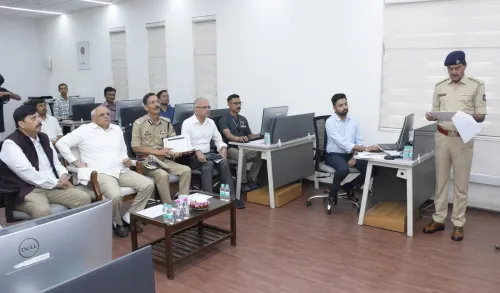
Chief Minister Bhupendra Patel chaired a high-level meeting in Gandhinagar on 11 July 2026 to review security and civic arrangements for Ahmedabad's 149th Jagannath Rath Yatra on 16 July, directing police and the municipal commissioner on crowd safety and building hazard management.
Key Takeaways
CM Bhupendra Patel held a high-level review meeting in Gandhinagar on 11 July 2026 ahead of the 149th Rath Yatra .
The Ahmedabad Rath Yatra is scheduled for 16 July 2026 .
CM Patel directed police to ensure all approximately 230 Rath Yatras across Gujarat conclude peacefully without untoward incidents.
The Municipal Commissioner was instructed to prevent crowds from gathering near dilapidated buildings along the Ahmedabad procession route.
Both Gujarat Police and the Ahmedabad Municipal Corporation participated in the preparedness review.
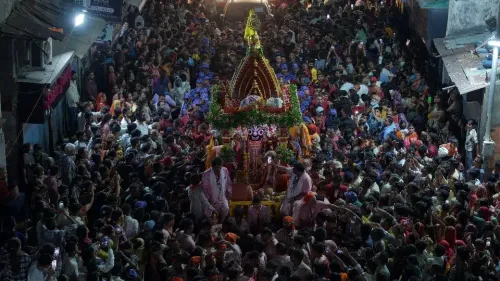
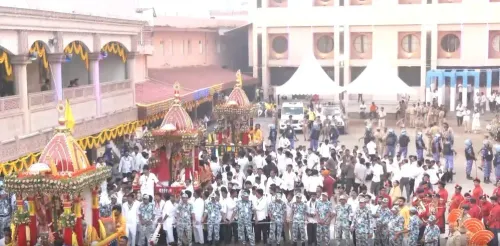
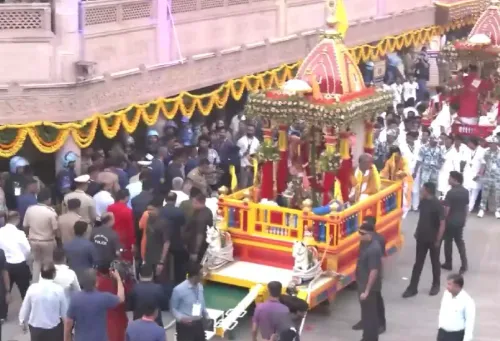
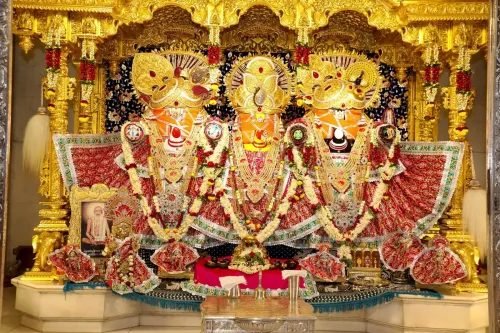
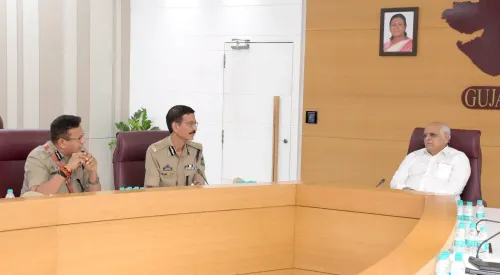
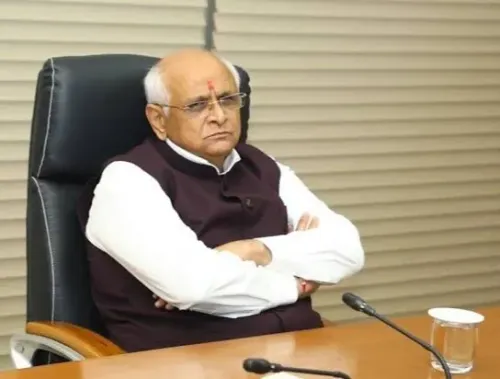
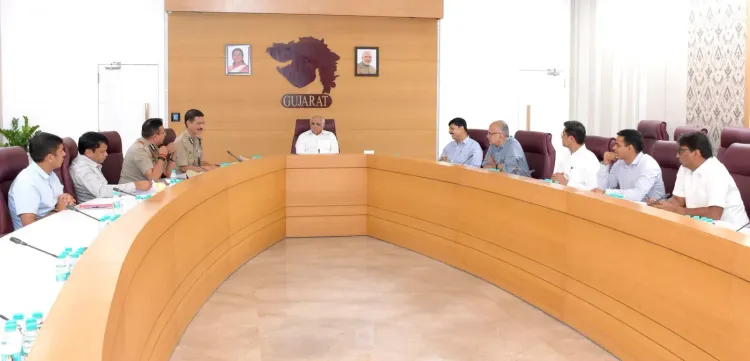
Chief Minister Bhupendra Patel chaired a high-level security review meeting in Gandhinagar on Saturday, 11 July 2026, ahead of the 149th Rath Yatra of Lord Jagannath scheduled to be held in Ahmedabad on 16 July. The Chief Minister's Office of Gujarat convened police and municipal officials to undertake a detailed assessment of preparedness and logistics for the procession.
Context
The post by the Chief Minister's Office states that CM Patel conducted a thorough review — described in Gujarati as talasparshi samiiksha (in-depth review) — of the arrangements made by the police machinery and the municipal corporation. The meeting was specifically focused on ensuring the 149th edition of the Ahmedabad Rath Yatra passes off peacefully and safely. The CM also directed officials to ensure that approximately 230 Rath Yatras being held at various locations across Gujarat are completed without any untoward incident.
A notable instruction issued at the meeting was directed at the Municipal Commissioner: strict arrangements must be made to prevent crowds from gathering near dilapidated buildings and structures along the Rath Yatra route in Ahmedabad. This reflects a safety-first approach to managing the large volume of devotees who line the procession route.
Policy Backdrop
Pre-event security reviews of this nature are a well-established practice of the Gujarat government ahead of large religious gatherings. Coordination between the Gujarat Police and the Ahmedabad Municipal Corporation (AMC) for simultaneous management of processions across multiple districts has been a consistent feature of the state's festival governance framework.
The Ahmedabad Rath Yatra is one of the largest religious processions in India outside of Puri, drawing lakhs of devotees annually. With its 149th edition, the event carries deep cultural and religious significance for the state. The Gujarat administration's proactive stance on logistical planning reflects a broader pattern of state-level oversight for high-footfall public events.
Stakeholders and Impact
The primary stakeholders include lakhs of devotees who participate in or witness the Rath Yatra, residents of Ahmedabad along the procession route, and communities across Gujarat where the 230-odd simultaneous Rath Yatras are held. For them, the CM's directive translates into visible police deployment, crowd-control measures, and structural safety checks on buildings along the route.
The Ahmedabad Municipal Corporation has been specifically tasked with identifying and cordoning off structurally unsafe buildings so that devotees seeking vantage points for darshan (viewing the procession) do not congregate in hazardous locations. This dual mandate — enabling joyful participation while preventing accidents — underscores the complexity of managing an event of this scale.
What's Next
All eyes will now be on the execution of the 149th Rath Yatra on 16 July 2026 in Ahmedabad. The outcomes of crowd management, the effectiveness of building-safety cordons, and the conduct of the 230 state-wide processions will serve as the real test of the preparedness reviewed at Saturday's meeting.
Should the event pass without incident, it would reinforce the Gujarat administration's model of structured inter-agency coordination for large religious festivals — a template that has been refined over successive years under CM Bhupendra Patel, who has held office since September 2021.
Point of View
Patel signals that festival safety is a top-down political priority, not merely a bureaucratic routine. The explicit focus on dilapidated buildings along the route suggests lessons absorbed from past crowd-safety incidents at similar large-scale events elsewhere in India. With 230 simultaneous processions statewide, the coordination challenge is significant, and the outcome on 16 July will be closely watched as a measure of the state's administrative capacity.
NationPress
10 Oct 2026
Frequently Asked Questions
When is the Ahmedabad Rath Yatra 2026?
The 149th Jagannath Rath Yatra in Ahmedabad is scheduled for 16 July 2026 .
What did CM Bhupendra Patel discuss at the Rath Yatra review meeting?
CM Bhupendra Patel reviewed security and civic preparedness with police and municipal officials, directing them to ensure peaceful conduct of the Rath Yatra and to prevent crowds from gathering near dilapidated buildings along the route.
How many Rath Yatras are held across Gujarat?
According to the Chief Minister's Office, approximately 230 Rath Yatras are held at various locations across Gujarat during the festival.
What instructions were given to the Ahmedabad Municipal Commissioner?
The Municipal Commissioner was instructed to make strict arrangements ensuring devotees do not crowd near dilapidated buildings and structures along the Rath Yatra route in Ahmedabad.
Who is the Chief Minister of Gujarat in 2026?
Bhupendra Patel is the Chief Minister of Gujarat, a position he has held since September 2021 .