CM Dhami mourns former minister Heera Singh Bisht at Gairsain
Synopsis
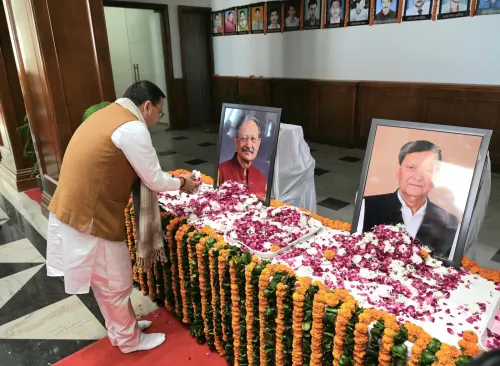
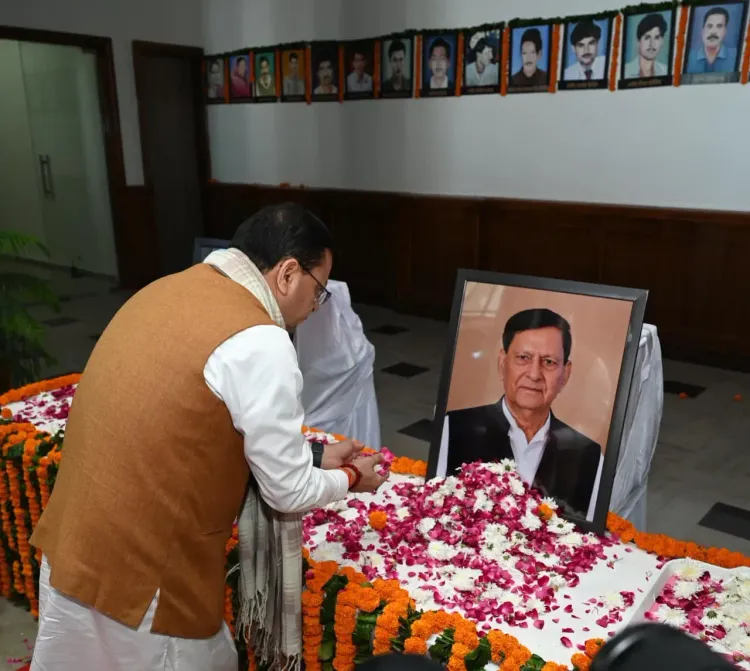
Chief Minister Pushkar Singh Dhami paid heartfelt tribute to former cabinet minister Heera Singh Bisht at the Gairsain Vidhan Sabha on 27 October 2026, remembering him as a grassroots leader who championed workers and played a key role in the Uttarakhand statehood movement.
Key Takeaways
CM Pushkar Singh Dhami paid tribute to late former minister Heera Singh Bisht at the Vidhan Sabha in Gairsain (Bharadiisain) on 27 October 2026 .
Bisht rose from student politics through gram pradhan, block pramukh, MLA , and cabinet minister — an unusually complete grassroots ascent.
He held ministerial portfolios in labour, transport, and technical education , focusing on working-class and marginalised communities.
Bisht was an active participant in the Uttarakhand Statehood Movement of the 1990s that led to state formation on 9 November 2000 .
CM Dhami called his death 'an irreplaceable loss' to Uttarakhand's public and political life and praised his frankness and commitment to public service.
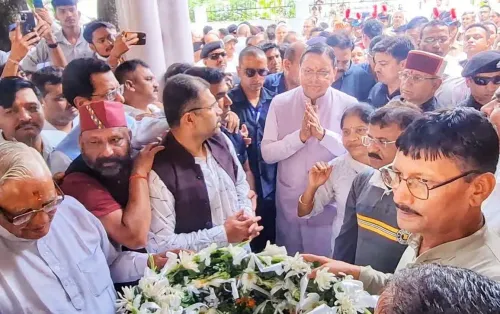
A veteran of grassroots politics who rose from student activism to the cabinet table, former Uttarakhand minister Heera Singh Bisht was bid farewell on Tuesday, 27 October 2026, by Chief Minister Pushkar Singh Dhami at a solemn tribute inside the Vidhan Sabha at Bharadiisain (Gairsain). Dhami called his passing an irreplaceable loss to the state's public and political life.
Speaking in the assembly, CM Dhami described the late leader as 'ek anubhavi janneta' — 'an experienced people's leader' — who dedicated his entire public career to understanding and resolving the problems of ordinary citizens. 'His frankness, experience, and commitment to public concerns will always be remembered with respect,' Dhami said.
From a humble family to the Uttarakhand cabinet
Heera Singh Bisht began his political journey in student politics, working his way up through every rung of representative democracy — gram pradhan, block pramukh, MLA, and finally cabinet minister. That trajectory, rare in its completeness, is what gave him credibility on the floor and in the field. His rise from a modest background made him a symbol of grassroots democratic mobility in the young state.
As a minister, Bisht held portfolios in labour, transport, and technical education — departments that touch the lives of daily-wage workers, commuters, and first-generation degree-seekers. CM Dhami specifically highlighted his deep affinity for shramik aur mehnatakash log — 'labourers and hardworking people' — calling it a defining feature of his personality. He amplified the voices of those fighting for their livelihoods and rights at a time when Uttarakhand's hill districts were still finding their administrative footing.
A voice forged in the statehood movement
Bisht's public life was inseparable from the defining event of modern Uttarakhandi identity: the Uttarakhand Statehood Movement of the 1990s. CM Dhami acknowledged that the late leader played a 'significant role from the separate Uttarakhand state agitation to the development of the state' after its formation on 9 November 2000.
For a generation of hill politicians, that movement was more than a political milestone — it was a moral credential. Leaders who marched for statehood carry weight in Uttarakhand's assembly that newer entrants simply cannot replicate. Bisht was one of those figures.
Tribute delivered at Gairsain — a location that speaks
The choice of venue carries its own significance. Gairsain (Bharadiisain), nestled in Chamoli district, has long been championed by hill communities as the rightful seat of Uttarakhand's legislature — a geographic assertion that the state belongs to the mountains, not the plains. Holding assembly sessions there is itself a political act of recognition. That this tribute was delivered on that floor adds a layer of symbolism appropriate for a leader shaped by the statehood struggle.
CM Dhami closed with a reflection that transcended party lines: 'Ideologies and methods may differ in political life, but dedication to the people is a matter of respect for all of us.' It was a rare moment of cross-partisan dignity — and a fitting send-off for a man whose career was defined by listening patiently and acting honestly.
Heera Singh Bisht leaves behind a political legacy written not in grand policy announcements, but in the quieter work of showing up — for workers, for villagers, for the marginalised. Uttarakhand's assembly will feel that absence at its next session.
Point of View
Acknowledging ideological differences while honouring public dedication, signals a careful brand of inclusive governance ahead of what could be a politically sensitive period. The late Bisht's labour-centric portfolios also spotlight a constituency — hill workers and the marginalised — that all Uttarakhand parties have historically competed to own. How the ruling BJP consolidates that support in Bisht's home turf will be worth watching in coming months.
NationPress
27 Oct 2026
Frequently Asked Questions
Who was Heera Singh Bisht of Uttarakhand?
Heera Singh Bisht was a veteran Uttarakhand politician who served as a cabinet minister holding portfolios including labour, transport, and technical education. He began his career in student politics and rose through gram pradhan, block pramukh, and MLA before reaching the cabinet.
Where did CM Dhami pay tribute to Heera Singh Bisht?
CM Pushkar Singh Dhami paid tribute to the late Heera Singh Bisht at the Uttarakhand Vidhan Sabha session held in Bharadiisain, Gairsain, in Chamoli district on 27 October 2026.
What role did Heera Singh Bisht play in the Uttarakhand statehood movement?
Heera Singh Bisht was an active participant in the Uttarakhand Statehood Movement of the 1990s, which culminated in the formation of Uttarakhand as a separate state on 9 November 2000. CM Dhami specifically acknowledged his role from the agitation through to the state's subsequent development.
Why is the Gairsain assembly significant in Uttarakhand politics?
Gairsain (Bharadiisain) in Chamoli district is championed by hill communities as the natural seat of Uttarakhand's legislature, symbolising that the state's identity belongs to its mountain heartland rather than the plains. Holding assembly sessions there is a statement of regional representation.
What did CM Dhami say about Heera Singh Bisht's legacy?
CM Dhami described Bisht as an experienced people's leader who dedicated his life to ordinary citizens, especially labourers and the marginalised. He called Bisht's death 'an irreplaceable loss' and praised his frankness, grassroots connect, and cross-partisan commitment to public service.