CM Dhami: 207 Free Pathology Tests at Uttarakhand Govt Hospitals
Synopsis
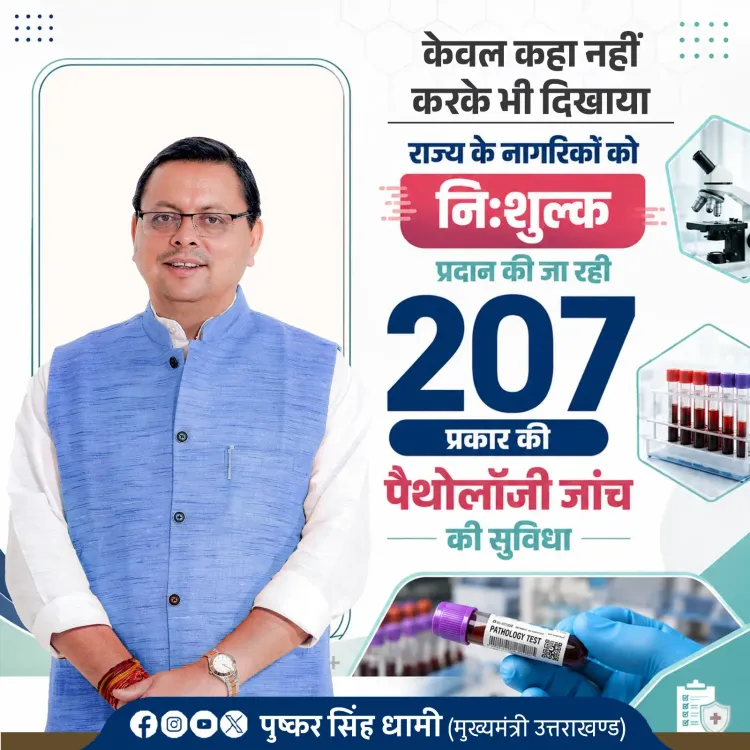
Uttarakhand Chief Minister Pushkar Singh Dhami has announced that 207 types of pathological tests are being provided free of cost at state government hospitals, aiming to ensure no citizen is denied essential diagnostics due to financial constraints. The move aligns with national efforts to reduce catastrophic out-of-pocket health spending.
Key Takeaways
207 types of pathological tests are now available free of charge at Uttarakhand government hospitals .
CM Pushkar Singh Dhami framed the initiative as the 'topmost priority' of his government.
The scheme targets citizens who cannot afford diagnostic tests at private facilities, particularly in rural and hill districts.
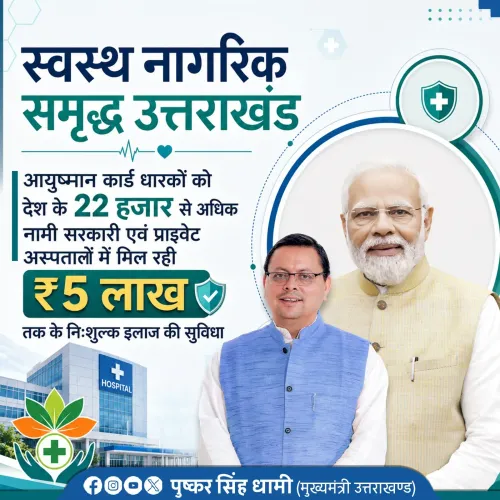
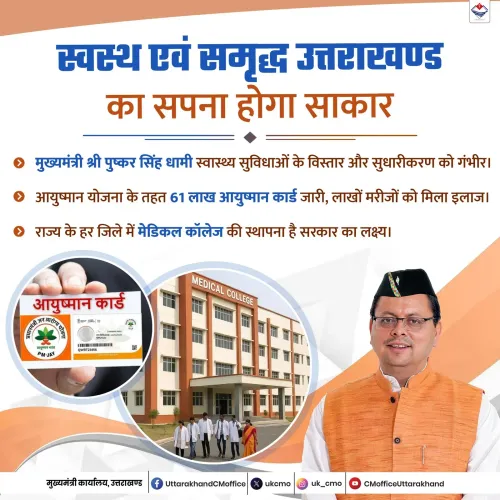
The move complements central schemes such as Ayushman Bharat PMJAY and the National Health Mission .
Sustained delivery will depend on budget allocations, reagent supply chains, and trained staff across district hospitals.
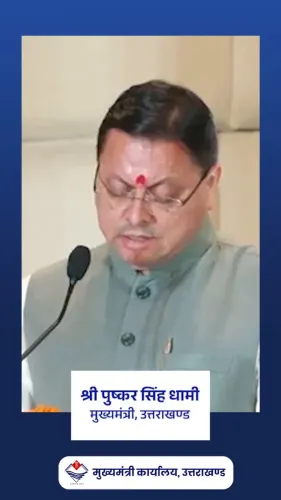
Uttarakhand Chief Minister Pushkar Singh Dhami announced on Thursday, 18 June 2026 that the state government is providing 207 types of pathological tests free of charge at all government hospitals across Uttarakhand, with the stated aim of ensuring no citizen is denied essential diagnostics due to financial constraints.
Context
In a post on X, CM Dhami stated — 'प्रदेश के प्रत्येक नागरिक तक सुलभ, गुणवत्तापूर्ण और किफायती स्वास्थ्य सेवाएं पहुंचाना हमारी सरकार की सर्वोच्च प्राथमिकता है' ('Providing accessible, quality, and affordable healthcare to every citizen of the state is the topmost priority of our government'). He added that the free diagnostics initiative is a significant step towards strengthening public health and reducing treatment-related expenditure for ordinary people.
The announcement highlights the state government's focus on reducing out-of-pocket healthcare costs for residents of Uttarakhand, a Himalayan state where delivery of healthcare services to remote and rural communities has historically been a challenge. By making 207 categories of pathological investigations available without charge, the administration aims to close a critical gap in preventive and diagnostic care.
Policy Backdrop
The move aligns with a broader national trend: Indian states have progressively introduced free essential diagnostic packages in public facilities, consistent with the National Health Policy 2017 target of reducing catastrophic health spending among low-income households. Central programmes such as the National Health Mission and free drug distribution schemes have laid the groundwork for such state-level expansions.
Ayushman Bharat Pradhan Mantri Jan Arogya Yojana, launched in 2018, extended health coverage and diagnostic access to economically weaker sections across states including Uttarakhand. The current initiative at the state level complements that federal architecture by addressing diagnostic costs that insurance coverage alone does not always eliminate at the point of care.
Stakeholders and Impact
The primary beneficiaries are low-income patients, rural households, and daily-wage earners who would otherwise bear the full cost of laboratory investigations at private facilities. In many parts of Uttarakhand's hill districts, the nearest private diagnostic centre can require significant travel and expense, making free tests at government hospitals a meaningful relief measure.
Government hospital staff, laboratory technicians, and state health department officials are the key operational stakeholders responsible for implementation. Sustained delivery will depend on adequate reagent supplies, equipment maintenance, and trained personnel across district and sub-district facilities.
What's Next
Observers will watch for data on test utilisation rates and whether the state health budget allocates sufficient funds to sustain the programme at scale. Potential integration with the Ayushman Bharat Digital Mission for digital record-keeping could improve monitoring and reduce duplication. CM Dhami's government will likely face scrutiny on whether the commitment translates into consistent service delivery, particularly in the more remote districts of the state.
Point of View
Citizen-facing health entitlements to reinforce a welfare delivery narrative ahead of political cycles. By anchoring the measure in the language of equity — 'no person should be deprived' — the government positions itself squarely within the National Health Policy 2017 framework while generating tangible local goodwill. The real test, however, lies in implementation: free diagnostics programmes in other states have at times struggled with stock-outs and understaffed labs, particularly in remote areas. If Uttarakhand can demonstrate consistent delivery across its hill districts, the initiative could become a model for other Himalayan states grappling with similar healthcare-access deficits.
NationPress
18 Sept 2026
Frequently Asked Questions
Which tests are free at Uttarakhand government hospitals?
The Uttarakhand government has announced that 207 types of pathological tests are available free of cost at state government hospitals, though the full list of specific tests has not been detailed in the official announcement.
Who can avail free pathology tests in Uttarakhand?
All citizens visiting Uttarakhand government hospitals can avail the free tests, with the initiative particularly aimed at those who cannot afford private diagnostic services.
What is CM Dhami's healthcare initiative in 2026?
CM Pushkar Singh Dhami has announced free provision of 207 categories of pathological investigations at government hospitals across Uttarakhand to reduce out-of-pocket healthcare expenses for residents.
How does Uttarakhand's free diagnostics scheme relate to Ayushman Bharat?
The state scheme complements Ayushman Bharat Pradhan Mantri Jan Arogya Yojana , which provides health coverage to low-income families, by addressing diagnostic costs that insurance alone may not eliminate at the point of care in government facilities.
Why is free diagnostic testing important in Uttarakhand?
Uttarakhand 's terrain means many residents in hill districts are far from private labs; free tests at government hospitals remove a significant financial and logistical barrier to essential healthcare for rural and low-income populations.