CM Dhami Opens Bypass to Ease Kainchi Dham Traffic
Synopsis
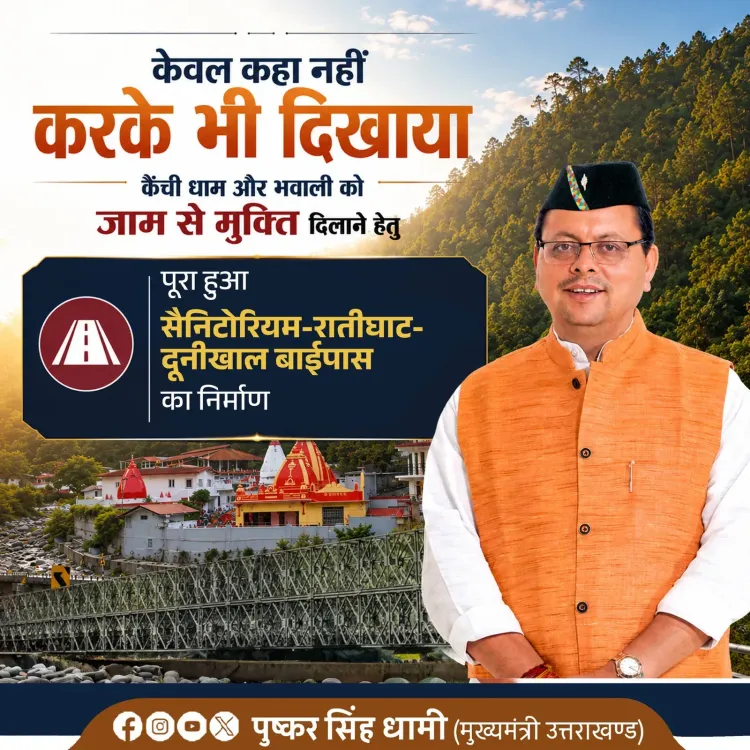
Uttarakhand CM Pushkar Singh Dhami announced on 13 June 2026 that the Sanitarium–Ratighat–Dunikhal Bypass is now open to traffic, offering relief from chronic congestion on routes to Kainchi Dham and Bhawali in Nainital district.
Key Takeaways
Traffic operations commenced on the Sanitarium–Ratighat–Dunikhal Bypass on 13 June 2026 , as announced by CM Pushkar Singh Dhami .
The bypass was built specifically to reduce congestion on roads leading to Kainchi Dham and through Bhawali in Nainital district .
Beneficiaries include local residents, traders, pilgrims visiting Kainchi Dham, and tourists travelling through the Kumaon hills.
The project aligns with Uttarakhand's post-2018 tourism policy that treats road infrastructure as a key enabler of pilgrimage and leisure tourism growth.
The Uttarakhand PWD has been executing multiple hill bypass and widening projects across Kumaon and Garhwal since 2017.
Traffic volume and accident data on the new and old routes will be key indicators of the bypass's real-world effectiveness.
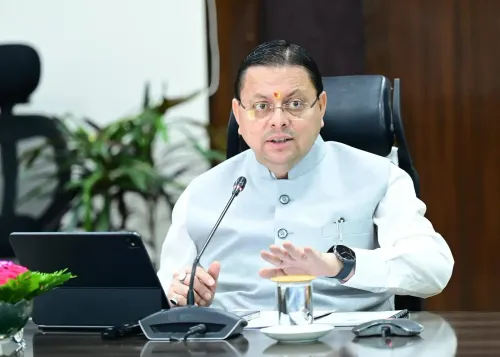
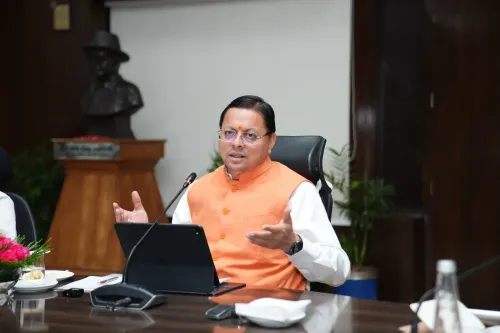
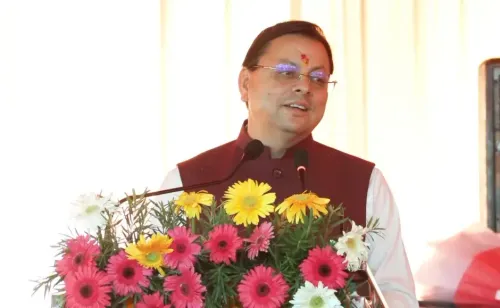
Uttarakhand Chief Minister Pushkar Singh Dhami on Saturday, 13 June 2026, announced that traffic operations have commenced on the newly built Sanitarium–Ratighat–Dunikhal Bypass, a road project designed to relieve chronic congestion on routes leading to Kainchi Dham and Bhawali in Nainital district.
Posting on X, Dhami stated that the bypass had been constructed with the express purpose of freeing Kainchi Dham and Bhawali from persistent traffic jams. In his words: 'श्री कैंची धाम और भवाली को जाम की समस्या से राहत दिलाने के उद्देश्य से निर्मित सैनिटोरियम–रातीघाट–दूनीखाल बाईपास पर यातायात संचालन शुरू हो गया है' ('Traffic operations have begun on the Sanitarium–Ratighat–Dunikhal Bypass, built to relieve the congestion problem at Kainchi Dham and Bhawali'). He added that the opening would bring 'great convenience' to local residents, traders, devotees, and tourists, making travel on the Bhawali–Kainchi Dham corridor more comfortable, safer, and timely.
Context
Kainchi Dham, located in Nainital district, is one of Uttarakhand's most visited spiritual sites, associated with the revered saint Neem Karoli Baba. The shrine draws a large and steady stream of pilgrims and tourists throughout the year, with peak seasons causing severe bottlenecks on the narrow hill roads passing through Bhawali. The resulting jams have long been a source of difficulty for local residents and traders dependent on smooth movement of goods and people.
Policy Backdrop
The Uttarakhand Public Works Department (PWD) has been executing a series of hill-area bypass and road-widening projects since 2017 across the Kumaon and Garhwal regions to address exactly this kind of seasonal overload. State tourism policy revisions after 2018 formally identified road infrastructure as a primary lever for growing both pilgrimage and leisure tourism. The Sanitarium–Ratighat–Dunikhal Bypass fits squarely within that framework, providing an alternate alignment that diverts through-traffic away from the congested town centre of Bhawali.
Stakeholders and Impact
The bypass is expected to benefit four distinct groups: local residents of Bhawali and surrounding villages who have endured daily disruption; traders whose supply chains are affected by road blockages; pilgrims travelling to Kainchi Dham; and tourists using the corridor as a gateway to Nainital and the broader Kumaon hills. Chief Minister Dhami described the project as 'an important achievement in the direction of regional development, tourism promotion, and better traffic management' that will deliver 'direct benefits to the common person.' Smoother access to Kainchi Dham is also likely to support local hospitality and small businesses that depend on visitor footfall.
What's Next
Analysts and local stakeholders will watch whether traffic volume on the old Bhawali–Kainchi Dham road measurably declines in the coming months, particularly during peak pilgrimage and tourist seasons. The Uttarakhand government is expected to monitor accident statistics and travel-time data on both the new bypass and the older route to assess outcomes. Further bypass or alternate-route announcements for other high-traffic destinations in Nainital district and the wider Kumaon region remain a possibility as the state continues its hill-connectivity push.
Point of View
The Chief Minister reinforces his administration's visibility on development outcomes in the Kumaon belt, a region that has historically demanded better connectivity. The move also advances a broader state strategy of positioning Uttarakhand as a model for managed religious tourism, where infrastructure investment is presented as inseparable from spiritual access. Whether the bypass delivers measurable decongestion will ultimately determine its policy legacy beyond the announcement cycle.
NationPress
19 Sept 2026
Frequently Asked Questions
What is the Sanitarium–Ratighat–Dunikhal Bypass in Uttarakhand?
The Sanitarium–Ratighat–Dunikhal Bypass is a newly constructed alternate road in Nainital district, Uttarakhand, designed to divert traffic away from the congested stretches near Kainchi Dham and Bhawali town. Traffic operations on the bypass began on 13 June 2026.
Why was the Kainchi Dham bypass built?
The bypass was built to relieve chronic traffic jams on the roads leading to Kainchi Dham and through Bhawali, which see heavy congestion due to large numbers of pilgrims and tourists visiting the popular spiritual site associated with Neem Karoli Baba.
Who will benefit from the Bhawali bypass road?
Local residents, traders, pilgrims travelling to Kainchi Dham, and tourists visiting the Kumaon hills are all expected to benefit from reduced travel times and safer, more predictable journeys on the corridor.
What is CM Dhami's role in Uttarakhand road infrastructure?
Chief Minister Pushkar Singh Dhami oversees the state's infrastructure agenda, including a series of hill-area bypass and road-widening projects executed by the Uttarakhand PWD across the Kumaon and Garhwal regions since 2017.
How does the new bypass affect tourism at Kainchi Dham?
By easing traffic pressure on the Bhawali–Kainchi Dham route, the bypass is expected to make access to the shrine more convenient and timely, potentially supporting higher visitor footfall and benefiting local hospitality and small businesses in the area.