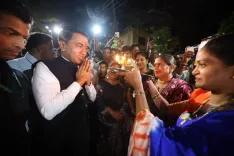
CM Dhami Orders Emergency Response After Bailey Bridge Swept Away in Chamoli
Synopsis
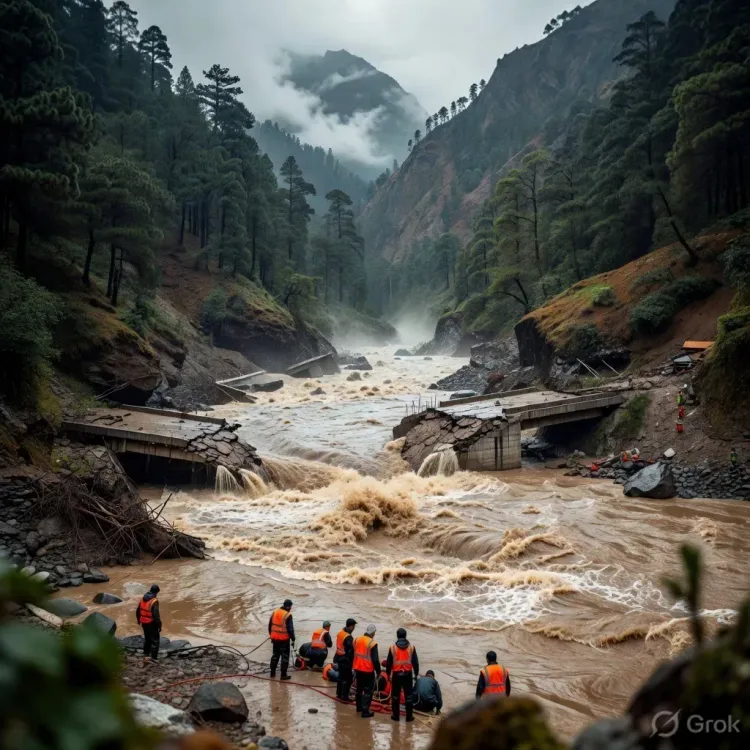
A Bailey bridge at Tamkanala on the Jyotirmath-Malari road in Chamoli collapsed after a flash flood on 10 August 2026. CM Pushkar Singh Dhami activated SDRF and NDRF teams, suspended traffic toward Malari, and ordered uninterrupted supply of essentials to cut-off villages via alternative routes.
Key Takeaways
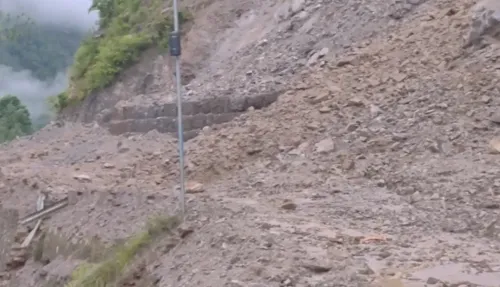
The Bailey bridge at Tamkanala on the Jyotirmath-Malari Motor Road , Chamoli, was completely washed away by a flash flood surge on 10 August 2026 .
A person and a camper vehicle are reported to have been swept away in the flood; SDRF and NDRF teams have been dispatched to the site.
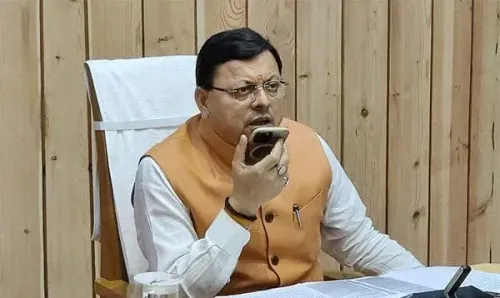
CM Pushkar Singh Dhami personally reviewed the situation with Disaster Management Secretary Vinod Kumar Suman and issued emergency directives.
All traffic toward Malari on the affected route has been suspended; residents near waterways have been put on high alert.
The administration has been ordered to ensure rations, medicines, and essential supplies reach cut-off villages via alternative routes.
SEOC is maintaining 24×7 monitoring of Chamoli and all sensitive districts across Uttarakhand.
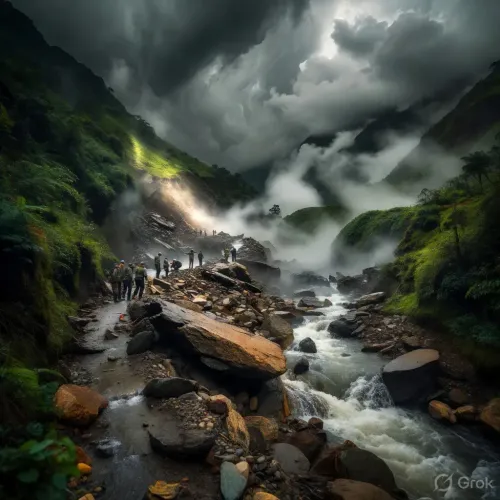
A flash flood surge through Tamkanala nala on the Jyotirmath-Malari Motor Road in Chamoli district tore away a Bailey bridge on the evening of Monday, 10 August 2026 — and within hours, the Chief Minister's Office of Uttarakhand had activated the full state disaster machinery. Chief Minister Pushkar Singh Dhami personally took stock of the situation and issued a cascade of directives to keep relief moving and people safe.
The Bridge Is Gone — and So Is a Vehicle
The Bailey bridge at Tamkanala, constructed by 123 BRTF, Suraithotha, was completely washed away by the sudden surge, according to Secretary of Disaster Management and Rehabilitation Vinod Kumar Suman. In the same rush of water, a person and a vehicle — a camper — are reported to have been swept away. SDRF and NDRF teams were immediately dispatched to the site. Local administration, police, and all relevant departments are conducting active rescue operations as the situation on the ground continues to be monitored round the clock.
Dhami's Directives: Rations, Medicines, and No Movement Toward Malari
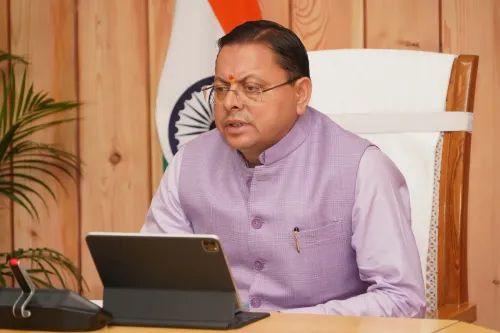
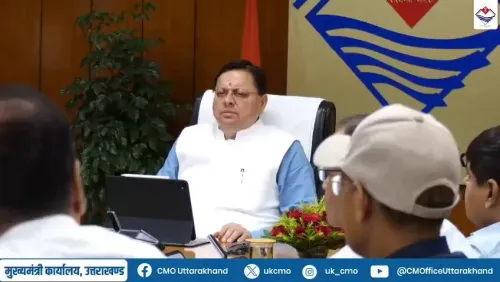
CM Dhami spoke directly with Vinod Kumar Suman after the incident and issued a clear set of orders: relief and rescue operations are the top priority; precautionary measures must be taken in low-lying areas; and all traffic toward Malari on the Jyotirmath-Malari route is to remain completely suspended until conditions normalise. Critically, he directed the administration to ensure that supplies of rations, food, medicines, and essential goods to villages cut off by the bridge collapse do not stop — with alternative routes to be pressed into service if needed. Residents near rivers and streams are to be kept on high alert and, where necessary, moved to safer locations.
SEOC on 24x7 Watch Across Uttarakhand's Sensitive Zones
The State Emergency Operation Centre (SEOC) has been placed on continuous 24×7 monitoring of Chamoli and all other sensitive districts across the state, Secretary Suman confirmed. Coordination with district administration and departmental officers is ongoing, and rescue teams are being activated on demand. The CM's broader instruction to the administration: given the rapidly changing weather across Uttarakhand, stay fully alert and ensure immediate response to any emerging disaster scenario — with uninterrupted surveillance of all sensitive zones.
Uttarakhand's Himalayan terrain makes it one of India's most disaster-prone states. The 2013 Kedarnath floods — which killed thousands — prompted the state to dramatically overhaul its disaster management framework under the Disaster Management Act, 2005, building up SEOC capacity and SDRF deployment protocols that are now being tested again this monsoon season. The Chamoli district, which includes the high-altitude Malari valley near the Indo-China border, is a recurrent flashpoint for cloudbursts and flash floods every monsoon.
The Jyotirmath-Malari road is the only surface link for several remote villages in the upper Chamoli valley — its closure is not just an inconvenience but a lifeline severed. How fast the administration can restore supply chains, and whether the SEOC alerts spread to other districts this week, will define the state's monsoon response record for 2026.
Point of View
With the Jyotirmath-Malari corridor — a strategically sensitive route near the Indo-China border — particularly exposed. CM Dhami's personal intervention and the speed of SEOC and SDRF activation reflect lessons institutionalised after the catastrophic 2013 Kedarnath floods, when the absence of a coordinated command structure cost thousands of lives. The supply-chain directive — keeping rations and medicines flowing via alternative routes — signals a maturing of state disaster doctrine beyond mere rescue toward continuity of civilian life. Whether this response holds up as the monsoon intensifies across Uttarakhand's other sensitive districts will be the real test of the state's preparedness architecture.
NationPress
11 Aug 2026
Frequently Asked Questions
Which bridge was washed away in Chamoli on 10 August 2026?
The Bailey bridge at Tamkanala on the Jyotirmath-Malari Motor Road in Chamoli district was completely washed away due to a sudden surge of floodwater. It had been constructed by 123 BRTF, Suraithotha.
Has anyone gone missing in the Chamoli bridge collapse?
According to information received by authorities, one person and one vehicle (a camper) were swept away when the floodwater surge hit the Tamkanala area. SDRF and NDRF teams have been sent to the site for search and rescue.
Is the Jyotirmath-Malari road open after the bridge collapse?
No. Traffic toward Malari on the Jyotirmath-Malari Motor Road has been completely suspended as a safety measure. The administration has advised people not to travel on this route until conditions normalise.
What steps has CM Dhami taken after the Chamoli bridge collapse?
CM Pushkar Singh Dhami personally reviewed the situation with Disaster Management Secretary Vinod Kumar Suman, activated SDRF and NDRF teams, suspended traffic on the affected route, and directed the administration to ensure essential supplies reach cut-off villages via alternative routes.
What is SEOC and what is its role in the Chamoli flood response?
SEOC stands for State Emergency Operation Centre. It is Uttarakhand's 24x7 disaster monitoring hub. Following CM Dhami's directives, SEOC is continuously tracking the situation in Chamoli and all other sensitive districts across the state, coordinating with district administration and deploying rescue teams as needed.