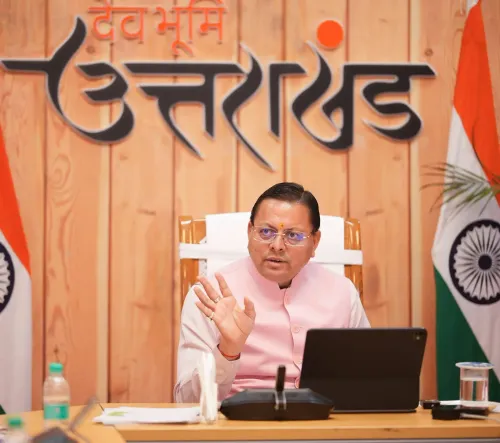
CM Dhami Orders Fire Safety Audit of All Uttarakhand Establishments
Synopsis
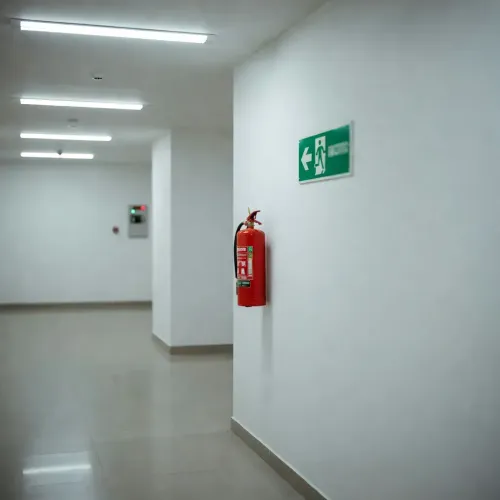
Chief Minister Pushkar Singh Dhami has ordered fire safety audits of all establishment buildings across Uttarakhand. The directive, issued on 24 June 2026, tasks state agencies with assessing compliance across commercial, institutional, and public-facing structures in the Himalayan state.
Key Takeaways
CM Pushkar Singh Dhami directed fire safety audits for all establishment buildings across Uttarakhand on 24 June 2026 .
The order covers all categories of establishments — commercial, institutional, and public-facing buildings statewide.
Urban local bodies and the state fire department are the primary agencies expected to implement the audits.
Uttarakhand's large tourist footprint — spanning Haridwar , Rishikesh , and the Char Dham circuit — makes fire safety in public buildings a critical concern.
Detailed timelines, responsible agencies, and enforcement mechanisms are yet to be notified by the state government.
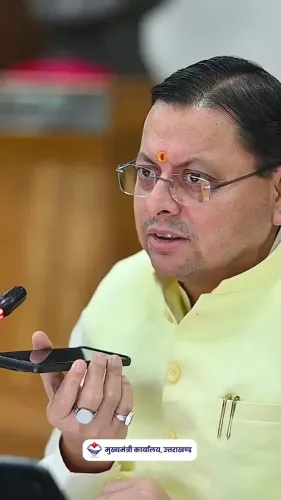
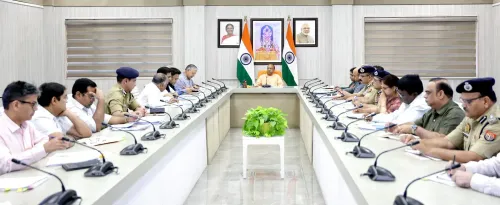
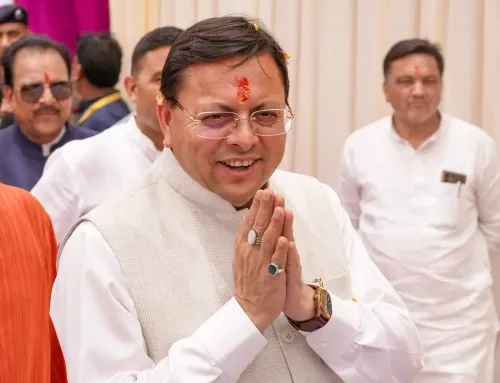
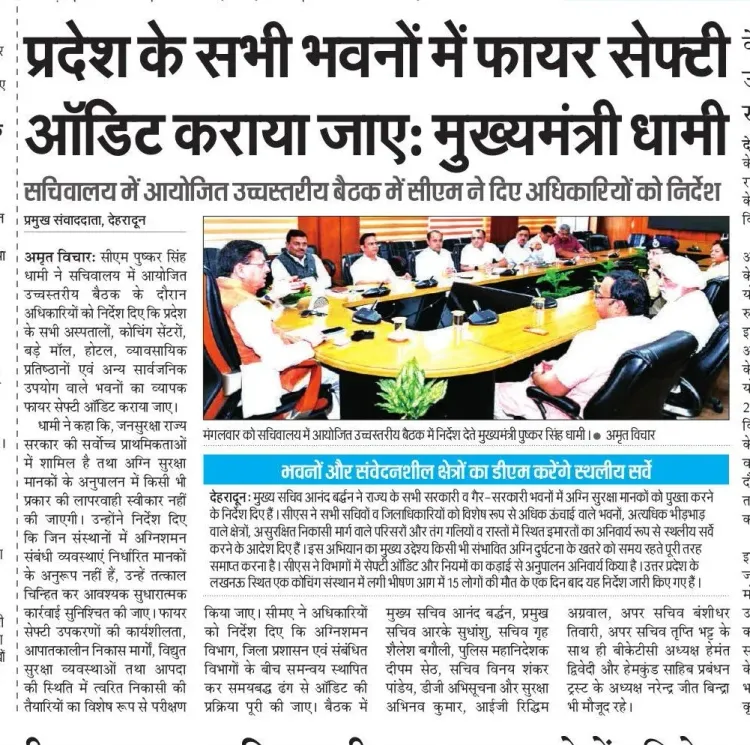
The Chief Minister's Office of Uttarakhand announced on Wednesday, 24 June 2026 that Chief Minister Pushkar Singh Dhami has directed fire safety audits to be conducted across all institutional and commercial buildings in the state, signalling a push for stricter compliance with safety norms.
What Was Directed
The directive, shared by the Chief Minister's Office, quotes CM Dhami as stating: 'Pradesh ke sabhi pratishthanon ke bhawanon ka fire safety audit karaya jaye' ('Fire safety audits of the buildings of all establishments in the state should be conducted'). The order applies to all establishments (pratishthaan) across Uttarakhand, covering commercial, institutional, and public-facing buildings.
The instruction appears to have been issued as an administrative directive, with the Chief Minister's Office communicating it publicly through official channels.
Context
Uttarakhand, a Himalayan state formed in 2000 with its administrative headquarters in Dehradun, has a large number of hotels, commercial complexes, and institutional buildings that serve both local residents and a significant tourist population. Fire safety compliance in such structures has been a recurring concern across Indian states.
Building safety audits are typically carried out by state fire departments or urban local bodies, and non-compliant structures can be issued notices or directed to undertake remediation. The directive from CM Dhami places the onus on the administration to proactively assess the safety status of buildings rather than act only after incidents.
Policy Backdrop
The Dhami government has issued several administrative directives since March 2021 aimed at regulatory compliance, infrastructure standards, and public safety. This fire safety audit order fits within a broader pattern of the state government using executive directives to enforce existing norms across departments and local bodies.
Under Indian fire safety regulations, commercial and public buildings above a specified floor area or height are required to obtain No Objection Certificates from the fire department and adhere to the National Building Code. State-level audits serve as a mechanism to identify gaps in compliance and push for corrective action.
Stakeholders and Impact
The directive directly concerns building owners, operators of commercial establishments, hotels, schools, hospitals, and other institutions across Uttarakhand. Urban local bodies and the state fire department are expected to be the primary agencies tasked with carrying out or overseeing the audits.
For a state that draws millions of tourists annually to destinations such as Haridwar, Rishikesh, Dehradun, and the Char Dham pilgrimage circuit, fire safety in densely occupied hospitality and public buildings carries particular significance.
What's Next
The state government is expected to issue detailed orders specifying audit timelines, the agencies responsible for conducting inspections, and enforcement mechanisms for non-compliant buildings. Whether the directive results in a time-bound campaign or a rolling compliance programme will become clear from follow-up notifications from the state's home, urban development, or disaster management departments.
The effectiveness of the initiative will hinge on the capacity of local fire departments and the willingness of urban local bodies to act on audit findings with enforceable penalties rather than advisory notices.
Point of View
However, lies in implementation: Uttarakhand's fire department capacity and the enforcement authority of urban local bodies will determine whether this becomes a meaningful compliance drive or remains a paper directive. Coming ahead of the peak tourism and pilgrimage season, the timing also carries a practical logic given the density of hotels and dharamshalas in the state's major religious and hill destinations.
NationPress
22 Sept 2026
Frequently Asked Questions
What has CM Dhami ordered regarding fire safety in Uttarakhand?
CM Pushkar Singh Dhami has directed that fire safety audits be conducted for the buildings of all establishments across Uttarakhand, as announced by the Chief Minister's Office on 24 June 2026.
Which buildings will be covered under the Uttarakhand fire safety audit?
The directive covers all establishments in the state, which includes commercial complexes, hotels, institutions, hospitals, schools, and other public-facing buildings across Uttarakhand.
Who will conduct the fire safety audits in Uttarakhand?
Urban local bodies and the state fire department are the agencies expected to carry out or oversee the audits, though detailed orders specifying responsible agencies are yet to be issued.
Why is fire safety important for Uttarakhand specifically?
Uttarakhand receives millions of tourists and pilgrims annually at destinations like Haridwar, Rishikesh, and the Char Dham circuit, making fire safety compliance in densely occupied hospitality and public buildings particularly critical.
What happens after a fire safety audit finds a building non-compliant?
Under Indian fire safety regulations, non-compliant buildings can be issued notices and directed to undertake remediation; enforcement through penalties depends on the follow-up orders the Uttarakhand government issues after this directive.