CM Dhami: Over 65,000 Benefited from Jan Seva Camps
Synopsis
Uttarakhand CM Pushkar Singh Dhami announced on 12 July 2026 that more than 65,000 citizens have benefited from the statewide 'Jan-Jan Ki Sarkar, Jan-Jan Ke Dwar' public service camps, marking a milestone in the BJP government's doorstep governance push.
Key Takeaways
More than 65,000 citizens across Uttarakhand have benefited from the 'Jan-Jan Ki Sarkar, Jan-Jan Ke Dwar' Jan Seva camp initiative.
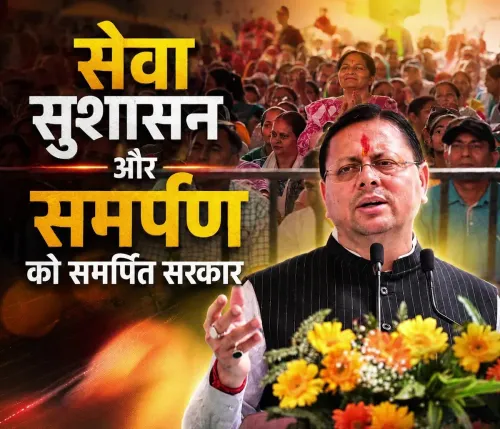
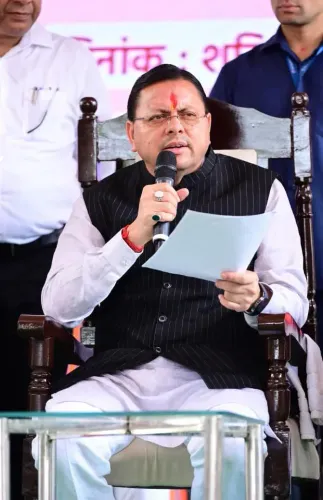
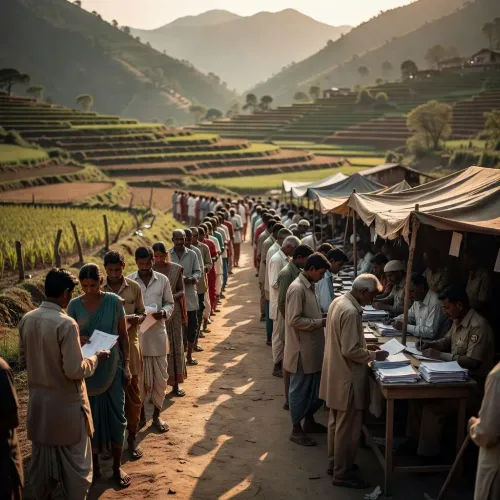
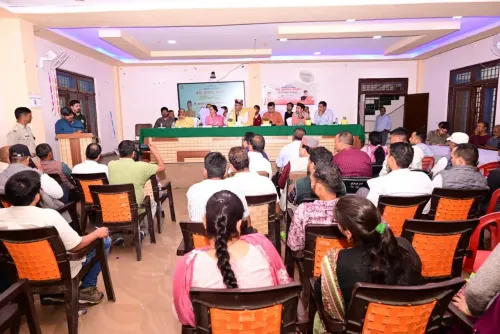
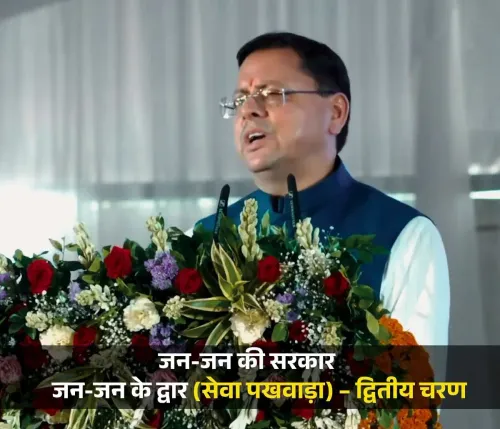
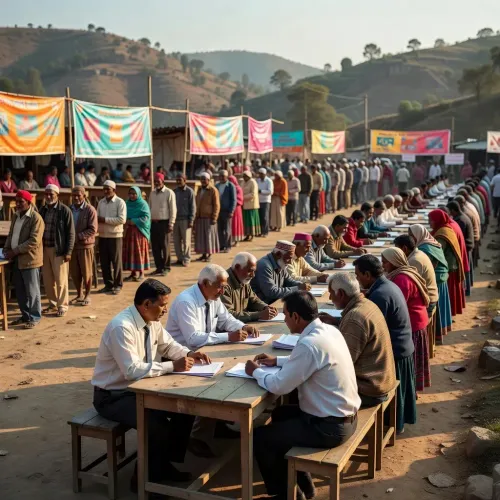
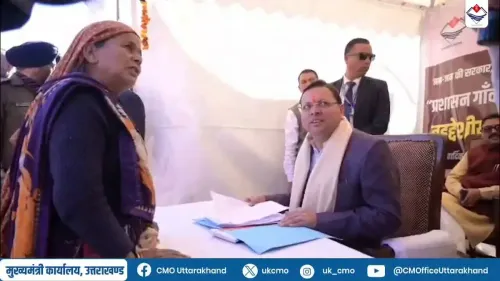
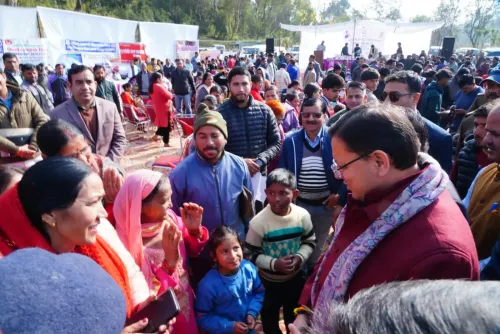
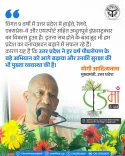
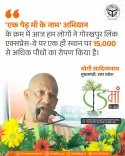
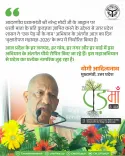
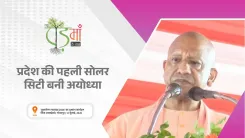
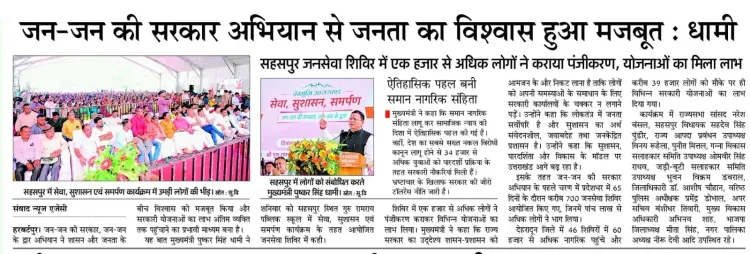
CM Pushkar Singh Dhami announced the milestone on 12 July 2026 via a post on X, accompanied by four images from camp sites.
The programme deploys statewide camps to deliver government services directly to citizens, reducing the need to visit administrative offices.
The initiative is particularly significant in Uttarakhand 's remote Himalayan districts, where connectivity and transport remain barriers to service access.
The model aligns with a broader BJP -led 'government at doorstep' approach seen across multiple states since the mid-2010s.
Further expansion or integration with central schemes like Digital India is anticipated in upcoming state assembly sessions.
Uttarakhand Chief Minister Pushkar Singh Dhami on Sunday, 12 July 2026, announced that more than 65,000 citizens across the state have benefited from the ongoing 'Jan-Jan Ki Sarkar, Jan-Jan Ke Dwar' public service camp initiative, describing the campaign as a significant milestone in doorstep governance delivery.
Context
In a post on X, CM Dhami stated — 'जन-जन की सरकार, जन-जन के द्वार जनसेवा शिविर में अब तक इस अभियान के माध्यम से 65 हजार से अधिक नागरिक लाभान्वित हो चुके हैं' — ('Through the Jan Seva camps running under the Jan-Jan Ki Sarkar, Jan-Jan Ke Dwar initiative across the state, more than 65,000 citizens have been benefited so far through this campaign'). The announcement, accompanied by four images from camp sites, signals continued momentum in the BJP-led government's flagship outreach programme.
The initiative runs statewide, with camps set up across Uttarakhand's districts to bring government services directly to residents, bypassing the need for citizens to travel to administrative offices — a particular challenge in the state's remote Himalayan terrain.
Policy Backdrop
The 'Jan-Jan Ki Sarkar, Jan-Jan Ke Dwar' programme is part of a broader administrative outreach model that the Dhami government expanded following its return to power in the 2022 Uttarakhand assembly elections. The camps are designed to deliver welfare schemes, resolve public grievances, and connect citizens with entitlements without bureaucratic delays.
This model mirrors a national trend among BJP-governed states since the mid-2010s, where physical 'government at doorstep' camps complement digital governance tools. In Uttarakhand — a state with large swathes of low-connectivity hill areas — the physical camp format remains especially relevant, as digital infrastructure alone cannot bridge last-mile service gaps.
The initiative also aligns with central programmes such as Digital India and Aadhaar-linked service delivery, while retaining an on-ground component suited to the state's geography.
Stakeholders and Impact
The primary beneficiaries are Uttarakhand's rural and semi-urban residents, particularly those in hill districts where access to government offices is limited by distance, weather, and transport constraints. The 65,000-plus figure cited by CM Dhami reflects the cumulative reach of the campaign since its rollout across all districts.
State residents, local administration officials, and elected representatives at the block and district level are all stakeholders in the programme's execution. For the Dhami government, the camps also serve as a direct-contact mechanism between the ruling party and the electorate ahead of future political cycles.
What's Next
With the campaign having crossed the 65,000-beneficiary mark, attention will now turn to whether the Uttarakhand government announces an expanded phase or a formal target for the next leg of the initiative. Updates are expected to surface in forthcoming state assembly sessions or through official government communications.
Integration with central welfare schemes and a possible push to digitise camp records could be the next step, as the government seeks to demonstrate both reach and accountability in its service-delivery model.
Point of View
000-beneficiary milestone is a politically significant data point for the Dhami government, which has consistently framed administrative outreach as its core governance identity since 2022. Announcing it publicly on X reinforces a pattern of using social media to demonstrate delivery metrics directly to citizens, bypassing traditional channels. The 'Jan-Jan Ke Dwar' model is also a recognisable template in BJP-ruled states, suggesting Uttarakhand's experience may feed into a larger party playbook on welfare mobilisation ahead of future electoral cycles. Whether the government can sustain and independently verify these numbers at scale will be the credibility test that follows.
NationPress
12 Jul 2026
Frequently Asked Questions
What is the 'Jan-Jan Ki Sarkar, Jan-Jan Ke Dwar' scheme in Uttarakhand?
'Jan-Jan Ki Sarkar, Jan-Jan Ke Dwar' is a statewide public service camp initiative by the Uttarakhand government that brings government services and welfare scheme benefits directly to citizens across all districts, reducing the need to visit administrative offices.
How many people have benefited from Uttarakhand's Jan Seva camps?
According to CM Pushkar Singh Dhami's announcement on 12 July 2026, more than 65,000 citizens across Uttarakhand have benefited from the Jan Seva camps under the 'Jan-Jan Ki Sarkar, Jan-Jan Ke Dwar' campaign so far.
Who is running the Jan Seva camps in Uttarakhand?
The Jan Seva camps are run by the Uttarakhand state government under Chief Minister Pushkar Singh Dhami's BJP-led administration, with camps deployed across all districts of the state.
Why are doorstep governance camps important in Uttarakhand?
Uttarakhand's hilly and remote terrain makes it difficult for many residents to reach government offices. Physical service camps bridge this gap by bringing officials and welfare entitlements directly to communities with limited connectivity and transport access.
Is the 'Jan-Jan Ke Dwar' model unique to Uttarakhand?
No. Several BJP-governed states have adopted similar 'government at doorstep' models since the mid-2010s, combining physical camps with digital tools to improve last-mile service delivery and reduce dependence on middlemen.