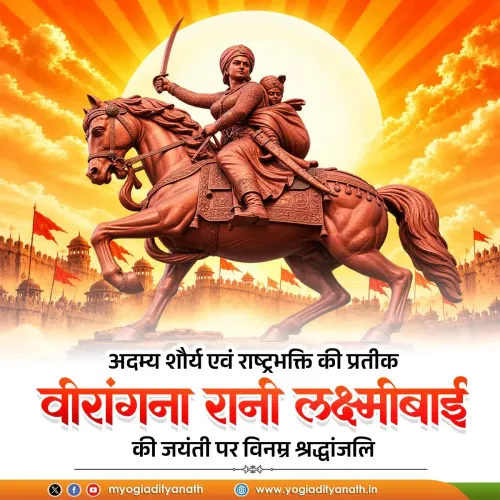
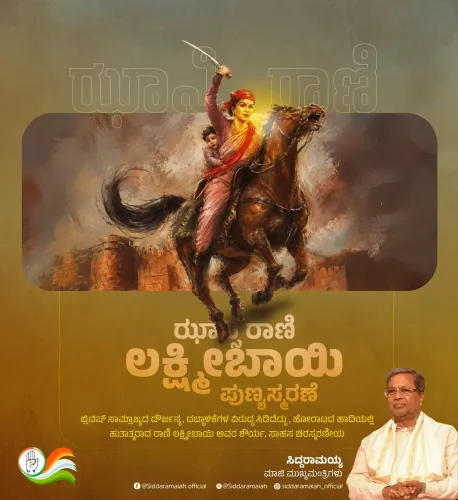
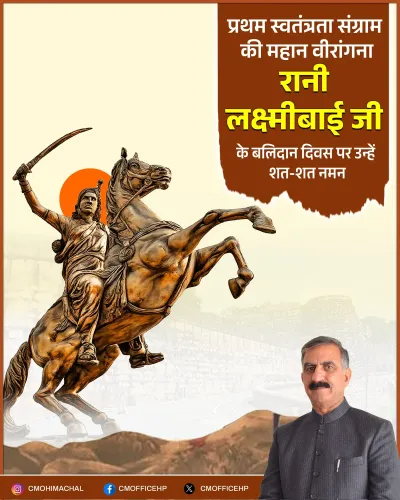
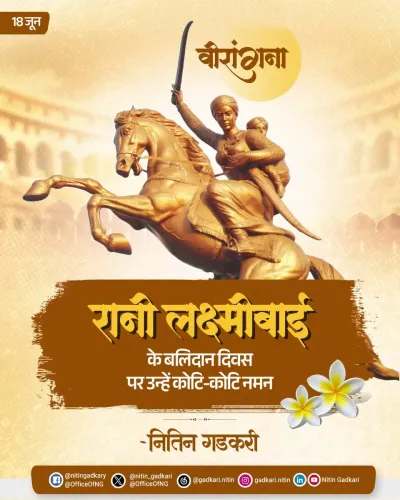
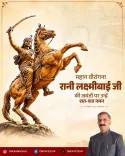
CM Dhami pays tribute to Rani Lakshmibai on her birth anniversary
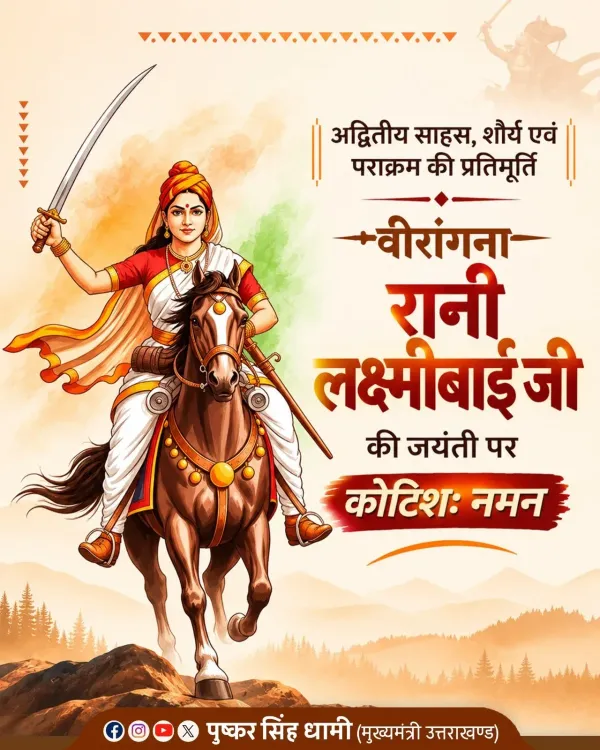
Synopsis
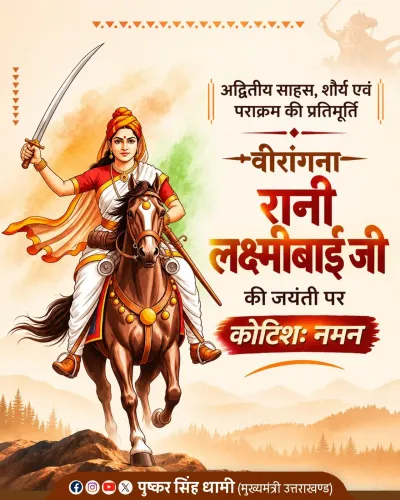
Uttarakhand Chief Minister Pushkar Singh Dhami marked Rani Lakshmibai's birth anniversary on 19 November 2026 with a tribute honouring the queen's valour, sacrifice, and pivotal role in India's 1857 uprising against British rule.
Key Takeaways
Uttarakhand CM Pushkar Singh Dhami posted a tribute to Rani Lakshmibai on her birth anniversary, 19 November 2026 .
Dhami quoted the celebrated Hindi verse by poet Subhadra Kumari Chauhan , among the most recognisable literary homages to the queen.
Rani Lakshmibai was born on 19 November 1828 and led Jhansi's resistance during the 1857 Indian Uprising against British colonial rule.
She refused British annexation of Jhansi under the Doctrine of Lapse and died in battle at Gwalior in June 1858 , aged 29.
Tributes to Rani Lakshmibai on her anniversary are a cross-party tradition in Indian politics, reinforcing her status as a figure of national rather than partisan pride.
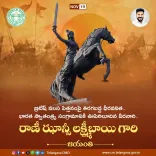
She fought with the ferocity that empires fear and the grace that history never forgets. On her birth anniversary, Uttarakhand Chief Minister Pushkar Singh Dhami offered a heartfelt tribute to Rani Lakshmibai of Jhansi on Thursday, 19 November 2026, invoking her undying legacy in the Indian freedom struggle.
Dhami opened his tribute with the immortal lines of poet Subhadra Kumari Chauhan — 'Bundele harbolon ke munh hamne suni kahani thi, khoob ladi mardani woh toh Jhansi wali Rani thi' ('We heard the tale from the mouths of the Bundela bards — she fought like a warrior, that queen of Jhansi'). The verse, known to generations of Indians, is perhaps the most recognisable literary tribute to the queen.
The warrior queen at the heart of 1857
Rani Lakshmibai, born on 19 November 1828, became Queen of Jhansi and emerged as one of the foremost leaders of the Indian Uprising of 1857 against British colonial rule. When British authorities refused to recognise her adopted son as heir and sought to annex Jhansi under the Doctrine of Lapse, she famously declared her refusal to surrender — 'Main apni Jhansi nahi dungi' ('I will not give up my Jhansi'). She fell in battle at Gwalior in June 1858, aged just 29, and was immediately elevated to the status of a national martyr.
Dhami's post describes her as a symbol of 'veerta, parakram aur tyaag' — valour, courage, and sacrifice — and expresses that her stories of bravery and martyrdom 'will inspire people to serve the nation for centuries to come.' The tribute is both personal and institutional, the kind of annual reckoning that reminds citizens of the cost at which independence was eventually won.
A date that unites political India
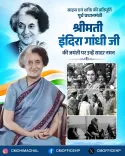
19 November carries double significance in India's national calendar — it is also the birth anniversary of former Prime Minister Indira Gandhi. For Rani Lakshmibai, the day draws tributes from leaders across the political spectrum, reinforcing her status as a figure above partisan claim. State governments often schedule commemorative events, educational programmes, and cultural functions around the date, particularly in Uttar Pradesh, where Jhansi is located, and in central Indian states that witnessed the 1857 uprising firsthand.
Dhami's salute arrives in that well-worn but genuinely felt tradition — the story of a 29-year-old queen who chose a sword over submission still lands with force nearly 170 years on.
Point of View
Serving both as genuine historical reverence and as a soft assertion of nationalist credentials. For a BJP chief minister, invoking her legacy carries particular resonance in a party that has long positioned itself as the custodian of India's civilisational pride. What is notable, however, is that Lakshmibai transcends party lines — her story is too universally powerful to be owned by any single political narrative. Dhami's post, anchored in Chauhan's verse rather than policy language, reads as cultural memory more than political signalling.
NationPress
19 Nov 2026
Frequently Asked Questions
When is Rani Lakshmibai's birth anniversary?
Rani Lakshmibai was born on 19 November 1828 , and her birth anniversary is observed annually on that date with tributes across India.
Why is Rani Lakshmibai famous?
Rani Lakshmibai, the Queen of Jhansi, is celebrated for leading her forces against British colonial rule during the Indian Uprising of 1857 , becoming a defining symbol of resistance, valour, and sacrifice in India's freedom struggle.
What did CM Dhami say about Rani Lakshmibai?
Uttarakhand CM Pushkar Singh Dhami described her as a symbol of 'valour, courage, and sacrifice' and said her stories of bravery 'will inspire people to serve the nation for centuries to come.'
What is the famous poem about Rani Lakshmibai?
The most celebrated poem on Rani Lakshmibai is by Hindi poet Subhadra Kumari Chauhan , whose verse — 'Khoob ladi mardani woh toh Jhansi wali Rani thi' — is widely memorised across India and is quoted in Dhami's tribute.
How did Rani Lakshmibai die?
Rani Lakshmibai died in battle near Gwalior in June 1858 at the age of approximately 29, fighting British forces during the final phase of the 1857 uprising.