CM Dhami Invokes Sanskrit Maxim on Dharma in Post
Synopsis
Uttarakhand Chief Minister Pushkar Singh Dhami posted the Sanskrit maxim 'Dharmo rakshati rakshitah' — 'Dharma protects those who protect it' — on X on 19 June 2026, with a video, reinforcing his government's cultural and religious identity.
Key Takeaways
CM Pushkar Singh Dhami posted the Sanskrit verse Dharmo rakshati rakshitah on X on 19 June 2026 .
The phrase translates as 'Dharma protects those who protect it' and is among the most cited maxims in Hindu philosophical tradition.
The post was accompanied by a video and carried no additional explanatory text.
Uttarakhand , known as Devbhoomi, is home to the Char Dham pilgrimage circuit and has a strong cultural-religious policy focus under the Dhami government.
BJP leaders across India regularly share Sanskrit verses on social media to signal alignment with Hindu tradition and dharmic values.
No specific policy announcement accompanied the post; observers will watch for follow-up communications from the Uttarakhand CMO .
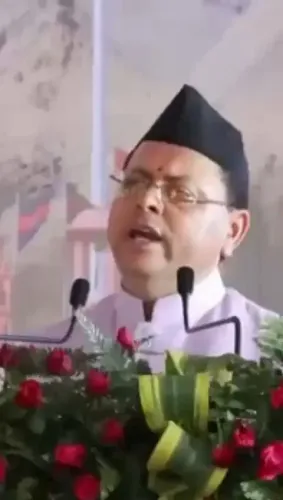
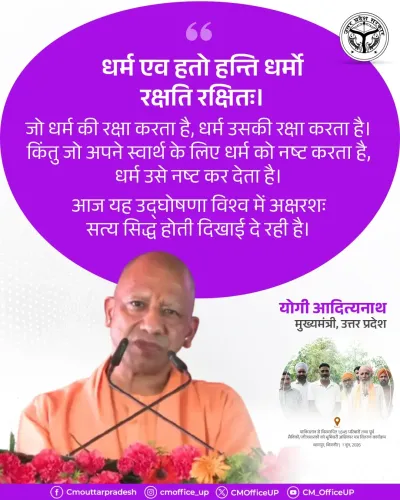
Uttarakhand Chief Minister Pushkar Singh Dhami shared a brief but resonant Sanskrit verse on his official X account on Friday, 19 June 2026, posting the ancient maxim Dharmo rakshati rakshitah — 'Dharma protects those who protect it' — accompanied by a video.
Context
The three-word Sanskrit phrase Dharmo rakshati rakshitah is drawn from the Manusmriti and is among the most widely cited verses in Hindu philosophical tradition. Its literal meaning — 'One who protects dharma is in turn protected by dharma' — carries both spiritual and ethical weight, making it a frequent touchstone in public discourse on righteousness, governance, and cultural identity.
Chief Minister Dhami is known for regularly invoking themes of Hindu tradition and cultural heritage in his public communications. The post, accompanied by a video, was shared in the evening hours and carried no additional explanatory text beyond the verse itself.
Policy Backdrop
Uttarakhand, often referred to as 'Devbhoomi' or the land of the gods, is home to major Hindu pilgrimage circuits including the Char Dham Yatra — comprising Kedarnath, Badrinath, Gangotri, and Yamunotri. The state government under CM Dhami has consistently prioritised pilgrimage infrastructure, religious tourism, and the preservation of traditional cultural practices as core policy planks.
Across BJP-governed states, leaders routinely share Sanskrit shlokas and verses on social media platforms to signal alignment with Hindu philosophical values. Such posts often precede or accompany formal government announcements on cultural or religious policy, though no specific policy communication accompanied this post at the time of publication.
Stakeholders and Impact
The post speaks directly to Uttarakhand's large base of religious communities, pilgrims, and residents who hold the concept of dharma as central to their identity and way of life. For the state's millions of Hindu devotees and the wider Sanskrit-literate public, the verse carries immediate cultural recognition and resonance.
Political observers note that such messaging also reinforces CM Dhami's image as a leader deeply rooted in Hindu tradition — an identity that has been central to his political positioning since he assumed office. The inclusion of a video suggests the post may carry additional audio-visual context beyond the text alone.
What's Next
Followers of Uttarakhand government policy will watch for any subsequent communications from the Chief Minister's Office that may elaborate on the cultural or religious theme signalled by this post. Given the state's active calendar around pilgrimage season and heritage initiatives, the verse may foreshadow a formal policy announcement or ceremonial event in the days ahead.
As Devbhoomi Uttarakhand continues to position itself as India's foremost spiritual and pilgrimage destination, statements affirming the primacy of dharma from its chief minister carry both symbolic and potentially programmatic significance for the state's governance agenda.
Point of View
Such messaging doubles as soft governance — aligning the chief minister's public persona with the spiritual expectations of Uttarakhand's pilgrimage economy. The absence of any accompanying policy text is itself significant: the verse is meant to stand alone as a statement of values, not a policy brief. Analysts will watch whether this post is a standalone cultural gesture or the opening note of a broader religious-policy announcement cycle ahead of the pilgrimage season.
NationPress
19 Sept 2026
Frequently Asked Questions
What does 'Dharmo rakshati rakshitah' mean?
'Dharmo rakshati rakshitah' is a Sanskrit maxim meaning 'Dharma protects those who protect it.' It is drawn from ancient Hindu texts and is widely cited in discussions of righteousness, ethics, and governance.
Why did CM Pushkar Singh Dhami post this Sanskrit verse?
CM Dhami shared the verse on X on 19 June 2026 accompanied by a video, consistent with his practice of publicly affirming Hindu cultural and philosophical values. No specific event or policy was cited alongside the post.
What is the significance of the verse for Uttarakhand?
Uttarakhand is known as Devbhoomi — the land of the gods — and is home to major Hindu pilgrimage sites. The concept of dharma holds deep cultural and religious significance for the state's residents and the millions of pilgrims who visit each year.
Does CM Dhami often share Sanskrit posts on social media?
Yes, Chief Minister Dhami regularly shares Sanskrit shlokas and culturally rooted content on social media, reflecting both his personal beliefs and the BJP's broader emphasis on Hindu tradition and heritage.
Will there be a policy announcement following this post?
No specific policy announcement has been made alongside this post. Observers will monitor the Uttarakhand Chief Minister's Office for any subsequent communications on cultural or religious policy that may follow this verse.