CM Dhami Spotlights Kamleshwar Mahadev Temple in Pauri Garhwal This Shravan
Synopsis
Uttarakhand CM Pushkar Singh Dhami has urged pilgrims to visit the ancient Kamleshwar Mahadev Temple in Srinagar, Pauri Garhwal during Shravan, spotlighting a Skanda Purana-referenced shrine beyond the main Char Dham circuit.
Key Takeaways
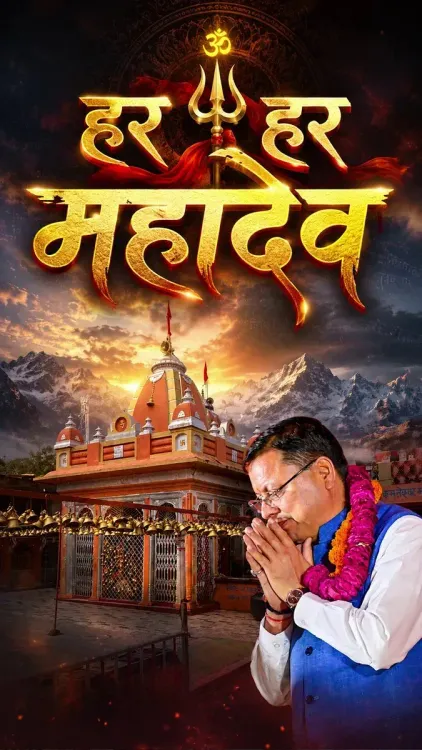
CM Pushkar Singh Dhami highlighted the Shri Kamleshwar Mahadev Temple in Srinagar, Pauri Garhwal on social media during the sacred Shravan month.
The temple is referenced in the Skanda Purana , one of Hinduism's eighteen major scriptures, underlining its ancient religious significance.
The post is part of a broader pattern of Uttarakhand's government using the Devbhoomi identity to promote pilgrimage tourism across the state.
The strategy aims to spread pilgrim footfall beyond the flagship Char Dham circuit to benefit districts like Pauri Garhwal .
Uttarakhand has actively promoted its network of Shiva temples for religious tourism since attaining statehood in 2000 .
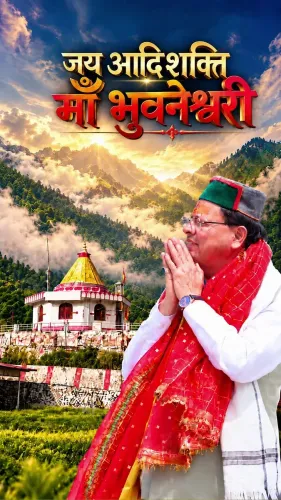
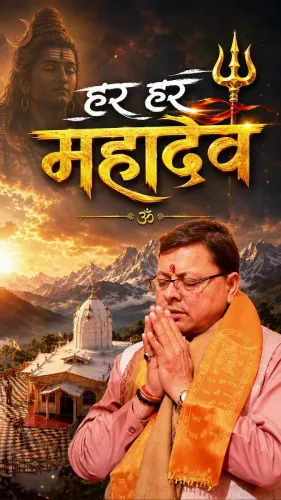
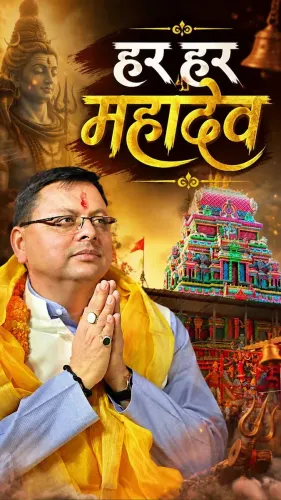
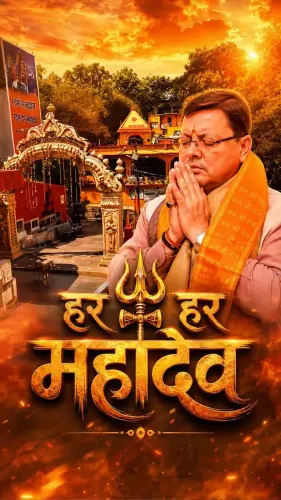
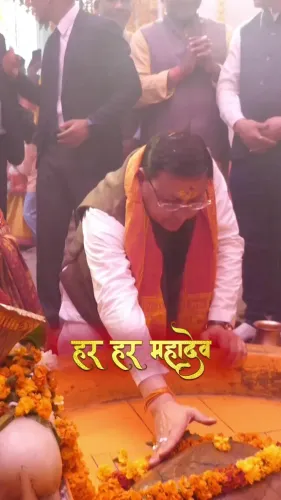
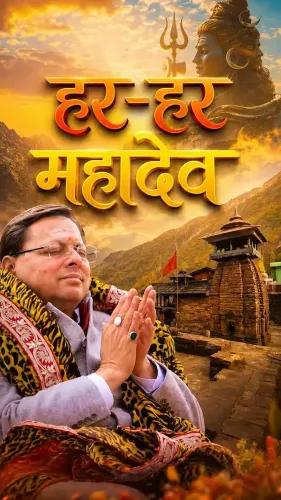
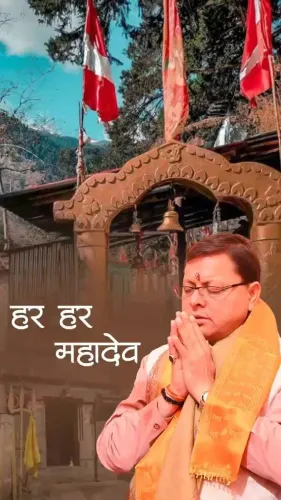
As the sacred month of Shravan draws pilgrims across Uttarakhand, Chief Minister Pushkar Singh Dhami has turned the spotlight on one of the region's most ancient Shiva shrines — the Shri Kamleshwar Mahadev Temple in Srinagar, Pauri Garhwal — urging devotees visiting the Garhwal belt to make this divine abode a part of their pilgrimage.
In his post, CM Dhami described the temple as one of Devbhoomi (the Land of Gods) — Uttarakhand's most revered ancient Shiva shrines, noting its mention in the Skanda Purana. 'The Shri Kamleshwar Mahadev Temple in Srinagar, Pauri Garhwal, is one of the ancient and mythological Shiva temples of Devbhoomi,' he wrote, adding that the shrine is 'a major centre of devotion and faith in the worship of Lord Shiva.' He invited those travelling through the Pauri Garhwal region during the holy Shravan month to visit the temple without fail.
A Shrine Rooted in the Skanda Purana
The Kamleshwar Mahadev Temple in Srinagar — not to be confused with the city in Jammu and Kashmir — sits in Pauri Garhwal district, one of Uttarakhand's most historically rich areas. Its scriptural reference in the Skanda Purana, one of Hinduism's eighteen major Puranas, places it firmly within the canon of India's ancient pilgrimage geography. Shravan, the fifth month of the Hindu calendar and typically falling between July and August, is considered the most auspicious period for Shiva worship, drawing millions of kanwariyas and pilgrims to temples across the country.
Devbhoomi's Quieter Gems Beyond Char Dham
The post fits a deliberate pattern. Since Uttarakhand's formation as a state in 2000, successive governments have leaned into the Devbhoomi identity — branding the hill state as a land consecrated by its density of temples, rivers, and sacred geography. But the dominant pilgrim traffic has historically concentrated on the Char Dham circuit — Kedarnath, Badrinath, Gangotri, and Yamunotri — leaving lesser-known shrines in districts like Pauri Garhwal comparatively under-visited.
CM Dhami has used his social media presence through Shravan to consistently highlight these secondary shrines, a strategy that serves a dual purpose: reinforcing the state's religious identity while nudging pilgrim footfall toward hill districts that stand to benefit economically from wider tourist distribution. The Garhwal tourism sector, which includes homestays, local transport, and temple-town commerce, is a direct beneficiary when pilgrims venture beyond the main circuit.
Point of View
Designed to widen the pilgrimage economy beyond the Char Dham bottleneck. By anchoring the promotion in scriptural authority (the Skanda Purana reference), the messaging elevates a district-level shrine into a must-visit on the national pilgrim map. This also reflects a broader BJP-governed state strategy of aligning cultural identity with economic development in hill regions. The long-term watch is whether such social media spotlights translate into measurable infrastructure investment or remain primarily symbolic outreach.
NationPress
5 Oct 2026
Frequently Asked Questions
Where is the Kamleshwar Mahadev Temple located?
The Shri Kamleshwar Mahadev Temple is located in Srinagar, Pauri Garhwal district, Uttarakhand — distinct from the Srinagar in Jammu and Kashmir.
Why is the Kamleshwar Mahadev Temple significant?
The temple is one of the ancient Shiva shrines of Uttarakhand and is mentioned in the Skanda Purana, one of Hinduism's eighteen major Puranas, making it a site of deep scriptural and devotional importance.
Why did CM Dhami post about this temple during Shravan?
Shravan is the most auspicious month for Shiva worship in the Hindu calendar. CM Dhami used the occasion to encourage pilgrims in the Pauri Garhwal area to visit the temple, continuing his practice of spotlighting lesser-known Uttarakhand shrines during the month.
What is Devbhoomi and why does Uttarakhand use the term?
Devbhoomi, meaning 'Land of Gods,' is a term used to describe Uttarakhand owing to its extraordinary concentration of ancient temples, rivers, and sacred sites. Successive state governments have used the identity to promote religious tourism since statehood in 2000.
How does promoting temples like Kamleshwar Mahadev benefit Uttarakhand?
Spreading pilgrim attention to shrines beyond the main Char Dham circuit helps distribute tourism revenue to smaller hill districts like Pauri Garhwal, benefiting local homestays, transport operators, and temple-town commerce.