CM Dhami spotlights Neelkanth Mahadev during Sawan
Synopsis
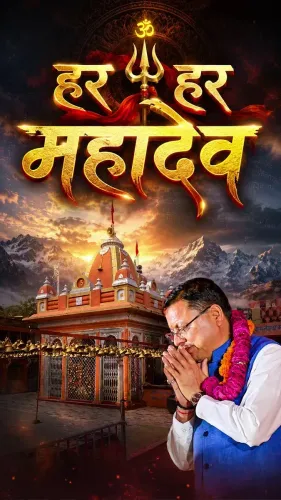
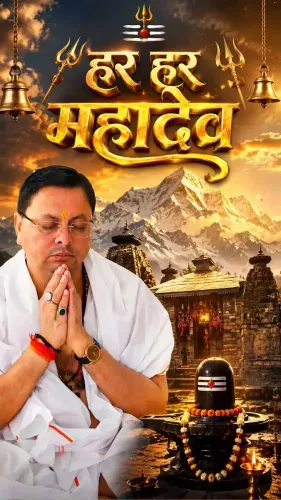
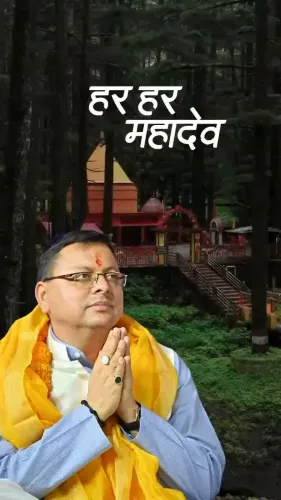
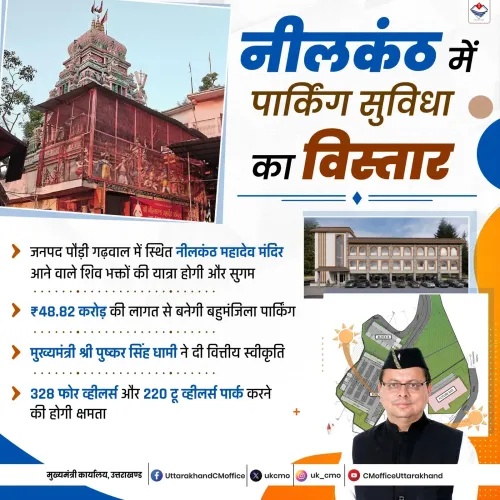
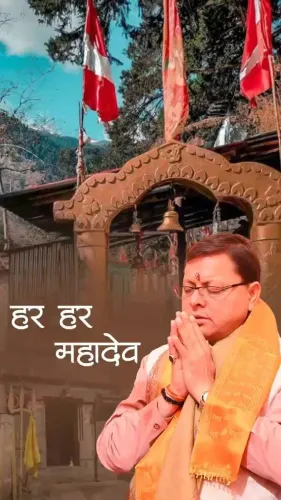
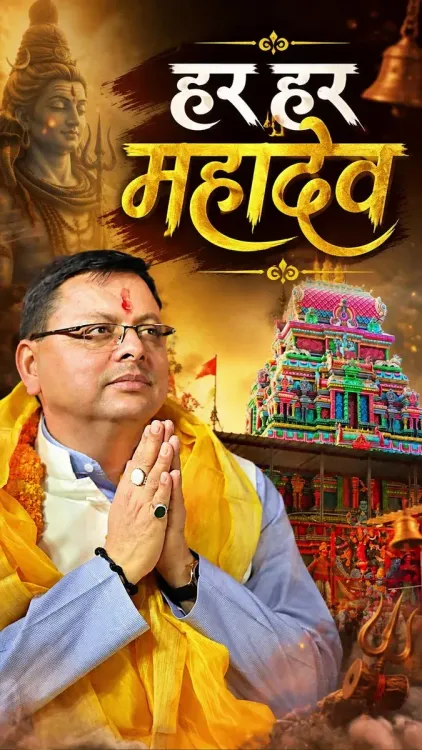
Uttarakhand CM Pushkar Singh Dhami has urged devotees visiting Pauri Garhwal during Sawan to pay their respects at the Neelkanth Mahadev Temple near Rishikesh, one of the Garhwal region's most sacred Shiva shrines.
Key Takeaways
CM Pushkar Singh Dhami posted about Neelkanth Mahadev Temple on 12 August 2026 during the auspicious month of Sawan .
The temple is located in Pauri Garhwal district, approximately 32 km from Rishikesh , at an altitude of around 1,330 metres .
The shrine is associated with the Samudra Manthan legend in which Lord Shiva consumed poison, turning his throat blue ( Neelkanth ).
Every Sawan, millions of kanwariyas carry Ganga water to perform jalabhishek at the temple.
Dhami has consistently promoted Uttarakhand's religious tourism since taking office in 2021 .
As the sacred month of Sawan draws millions of Shiva devotees across India's highways and hill roads, Uttarakhand Chief Minister Pushkar Singh Dhami has turned the spotlight on one of the state's most revered pilgrimage sites — the Neelkanth Mahadev Temple in Pauri Garhwal district, nestled in the forested hills near Rishikesh.
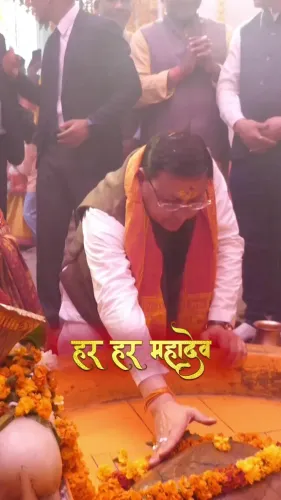
In a post on Wednesday, 12 August 2026, CM Dhami described the temple as an exceptionally sacred shrine dedicated to Devadhidev Mahadev — 'the God of all gods' — and called on visitors travelling to Pauri Garhwal to make the pilgrimage without fail. 'Millions of Shiva devotees from across the country arrive carrying Gangajal in their kanwads and perform jalabhishek of Bholenath to receive his grace and blessings,' he wrote.
The legend carved into the hillside
The Neelkanth Mahadev Temple draws its name and its mythology from one of Hinduism's most enduring stories: the Samudra Manthan, or the churning of the cosmic ocean, during which Lord Shiva consumed a deadly poison to protect creation. The poison turned his throat blue — Neelkanth, literally 'blue throat' — and the spot where he is said to have meditated afterward is venerated at this hilltop shrine. That mythological weight makes the temple far more than a regional landmark; for devout Shaivites, it is a destination of deep spiritual consequence.
Sawan and the kanwad tradition
Every year during Sawan — the monsoon month in the Hindu calendar considered most auspicious for Shiva worship — the roads linking Rishikesh to the Neelkanth shrine fill with kanwariyas: pilgrims who walk barefoot, carrying decorated shoulder-poles fitted with pots of Ganga water to pour over the Shiva lingam. The procession is a centuries-old tradition, and the Neelkanth temple, perched roughly 32 kilometres from Rishikesh at an altitude of about 1,330 metres, is among the most sought-after destinations for this ritual in the entire Garhwal region.
Uttarakhand's identity as Devbhoomi — 'Land of the Gods' — is inseparable from sites like these, and successive state governments have leaned into religious tourism as a pillar of the local economy. CM Dhami, who has held office since 2021, has made the promotion of the state's spiritual heritage a consistent thread of his public communication, regularly highlighting temples, ghats, and pilgrimage corridors on social media.
A gentle call to the faithful
The post carries no new policy announcement or infrastructure pledge — it is, at its core, an invitation: come to Pauri Garhwal, and do not leave without visiting this shrine. In the context of Sawan, when pilgrim footfall across Uttarakhand surges dramatically, the Chief Minister's amplification of the temple serves as both a spiritual nudge and a quiet signal to the tourism sector that the state is watching — and welcoming — the faithful.
The hills around Neelkanth are loud with devotion this season. The bells will keep ringing long after Sawan ends.
Point of View
Such posts function as low-cost, high-reach outreach to a core voter and visitor base. It also reinforces Dhami's personal positioning as a devout Shiva bhakt, a political identity that resonates deeply in the Garhwal belt. The absence of any new scheme or infrastructure promise keeps the messaging devotional rather than administrative — deliberate, given the season.
NationPress
26 Sept 2026
Frequently Asked Questions
Where is Neelkanth Mahadev Temple located?
The Neelkanth Mahadev Temple is located in Pauri Garhwal district of Uttarakhand, about 32 kilometres from Rishikesh in the Garhwal Himalayas at an altitude of roughly 1,330 metres.
Why is Neelkanth Mahadev Temple famous?
The temple is famous for its association with the Samudra Manthan legend, where Lord Shiva drank the cosmic poison and his throat turned blue — hence the name Neelkanth ('blue throat'). It is one of the most sacred Shiva shrines in the Garhwal region.
Why do pilgrims visit Neelkanth Mahadev during Sawan?
During Sawan , the monsoon month considered most auspicious for Shiva worship, kanwariyas carry Ganga water from Rishikesh to perform jalabhishek — a ritual pouring of holy water — on the Shiva lingam at Neelkanth Mahadev, seeking divine blessings.
What did CM Dhami say about Neelkanth Mahadev Temple?
On 12 August 2026 , CM Pushkar Singh Dhami described the temple as a supremely sacred pilgrimage site filled with mythological significance and spiritual energy, and urged all visitors to Pauri Garhwal to make the visit during Sawan.
How do I reach Neelkanth Mahadev Temple from Rishikesh?
The temple is approximately 32 kilometres from Rishikesh via a hilly road through the forest. Visitors can travel by road; during Sawan, kanwariyas traditionally make the journey on foot.