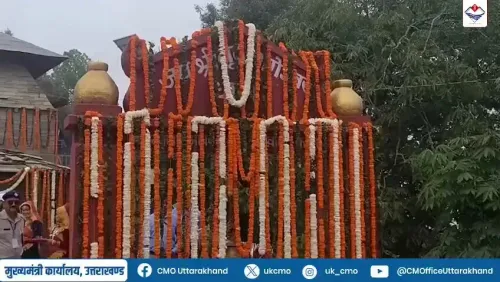
CM Dhami Invites Devotees to Baijnath Temple This Sawan
Synopsis
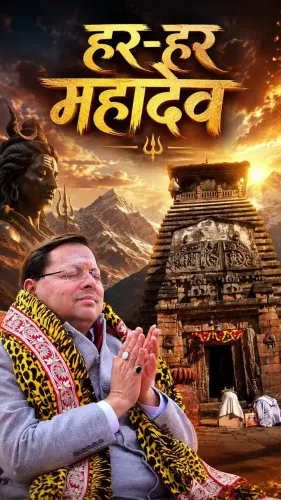
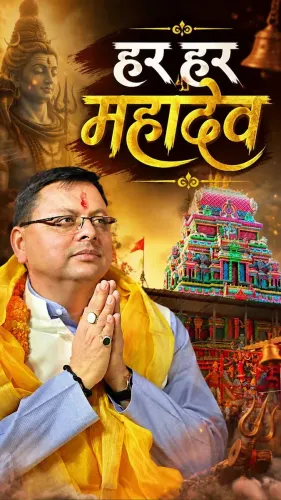
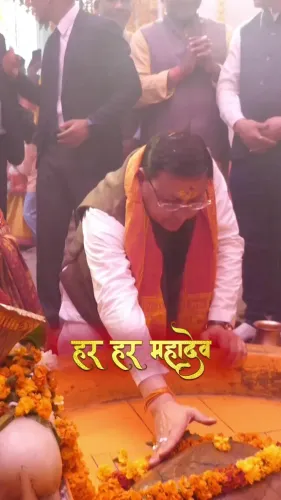
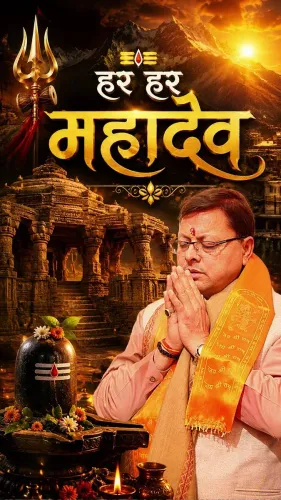
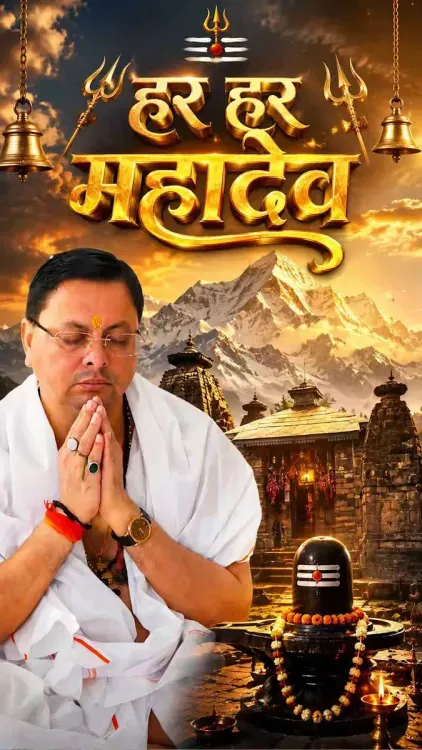
Uttarakhand CM Pushkar Singh Dhami highlighted the ancient Katyuri-era Shri Baijnath Temple in Bageshwar on social media, calling it a confluence of divinity and spiritual heritage, and invited devotees to seek Lord Shiva's blessings during the sacred month of Sawan.
Key Takeaways
CM Pushkar Singh Dhami shared a post on 10 August 2026 promoting Shri Baijnath Temple in Bageshwar district, Uttarakhand .
The temple is dedicated to Lord Shiva and is renowned for its Katyuri-era stone architecture and spiritual significance.
Dhami described it as a confluence of divinity, faith, and spiritual heritage, and urged devotees to visit during the holy month of Sawan .
Bageshwar sits at the confluence of the Gomti and Saryu rivers , adding to its pilgrimage importance.
The post aligns with Uttarakhand's broader Devbhoomi branding and seasonal promotion of heritage pilgrimage sites.
As the sacred month of Sawan draws millions of Shiva devotees across India, Uttarakhand Chief Minister Pushkar Singh Dhami has turned the spotlight on one of the state's most venerated shrines — Shri Baijnath Temple in Bageshwar district — calling on the faithful to seek the blessings of Devaadhidev Mahadev (the supreme lord of gods, Lord Shiva).
In a post shared on Monday, 10 August 2026, CM Dhami described the temple as 'divyata, aastha aur aadhyatmik virasat ka adbhut sangam' — 'a remarkable confluence of divinity, faith, and spiritual heritage' — built on the sacred soil of Bageshwar. He specifically highlighted the temple's architectural roots in the Katyuri dynasty, whose master craftsmen shaped the shrine's distinctive stone work, and invited devotees to visit during the ongoing Sawan season.
A Katyuri Masterpiece on the Banks of the Gomti
Shri Baijnath Temple, dedicated to Lord Shiva in his form as Vaidyanath — the lord of physicians — stands as one of Uttarakhand's finest examples of medieval stone temple architecture. The complex, constructed under the Katyuri rulers who held sway over the Kumaon region, is celebrated for its intricately carved shikhara and sculpted panels that have endured centuries of Himalayan seasons. Bageshwar district itself sits at the confluence of the Gomti and Saryu rivers, a geography that amplifies its spiritual significance in the Hindu pilgrimage tradition.
Sawan and Uttarakhand's Devbhoomi Identity
The timing of Dhami's post is deliberate. Sawan (Shravan), the fifth month of the Hindu lunar calendar and the holiest period for Shiva worship, draws enormous pilgrim footfall to Uttarakhand's temples every year. The state actively markets itself as Devbhoomi — the land of gods — and senior leaders routinely amplify regional shrines on social media to channel that seasonal energy into heritage tourism. Baijnath, with its Katyuri-era grandeur, is a natural centrepiece for such outreach.
For pilgrims and heritage travellers alike, the Sawan season at Baijnath offers both devotional depth and architectural discovery — a combination that Uttarakhand's tourism narrative has long leaned on.
Whether this post precedes any state announcement on temple access, infrastructure, or conservation at Baijnath remains to be seen — but for now, the Chief Minister's message is simple and direct: the doors of Mahadev are open, and Sawan is the moment to walk through them.
Point of View
However, is whether such social media amplification is followed by concrete state investment in temple access, conservation, or infrastructure at Bageshwar — a district that remains among Uttarakhand's less-connected hill regions.
NationPress
24 Sept 2026
Frequently Asked Questions
Where is Shri Baijnath Temple located?
Shri Baijnath Temple is located in Bageshwar district in the Kumaon region of Uttarakhand , near the confluence of the Gomti and Saryu rivers.
Who built the Baijnath Temple in Uttarakhand?
The Baijnath Temple was constructed during the reign of the Katyuri dynasty , medieval rulers of the Kumaon Himalayan region, and is celebrated for its intricate stone architecture and carved sculptures.
Why is Sawan special for visiting Shiva temples?
Sawan (Shravan) is the holiest month in the Hindu calendar for devotees of Lord Shiva. It is believed that prayers and visits to Shiva temples during this month carry special spiritual merit, drawing millions of pilgrims across India.
What did CM Dhami say about Baijnath Temple?
CM Pushkar Singh Dhami described Baijnath Temple as a remarkable confluence of divinity, faith, and spiritual heritage, highlighted its Katyuri-era architecture, and invited devotees to visit during the sacred month of Sawan to seek Lord Shiva's blessings.
What is Uttarakhand's Devbhoomi identity?
Devbhoomi , meaning 'land of gods,' is the cultural and tourism identity of Uttarakhand , reflecting the state's dense concentration of ancient Hindu temples, pilgrimage routes, and Himalayan shrines that draw devotees and heritage tourists year-round.