CM Dhami Orders AI, QRT Push for Wildlife Safety in Uttarakhand
Synopsis
Chief Minister Pushkar Singh Dhami chaired a State Wildlife Board and Tiger Steering Committee meeting on 24 July 2026, ordering AI surveillance upgrades, QRT deployment for Haridwar Kumbh, and state honours for citizens who intervene in wildlife conflicts.
Key Takeaways
CM Pushkar Singh Dhami chaired a joint meeting of the State Wildlife Board and State Level Tiger Steering Committee on 24 July 2026 .
Officials were directed to deploy Quick Response Teams (QRTs) to prevent human-wildlife conflict during the upcoming Haridwar Kumbh .
AI-based surveillance and camera trap networks are to be strengthened for tiger conservation and monitoring.
Development of natural water sources and pasture lands was highlighted as a priority for habitat improvement.
Citizens who save lives during wildlife conflict incidents will be honoured at the state level .
Better coordination between wildlife corridor protection , biodiversity goals, and local livelihoods was mandated.
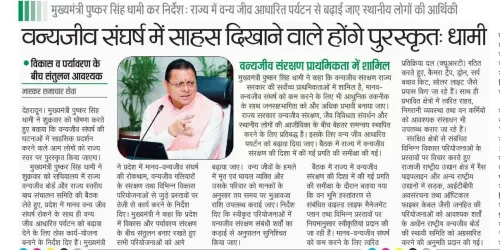
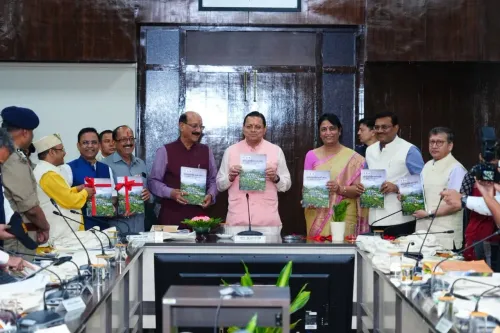
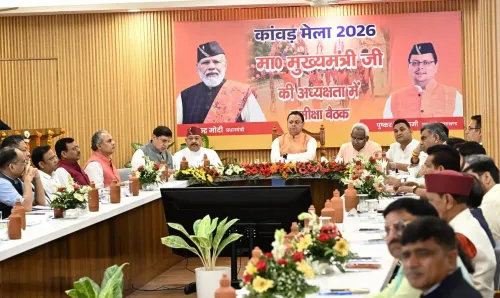
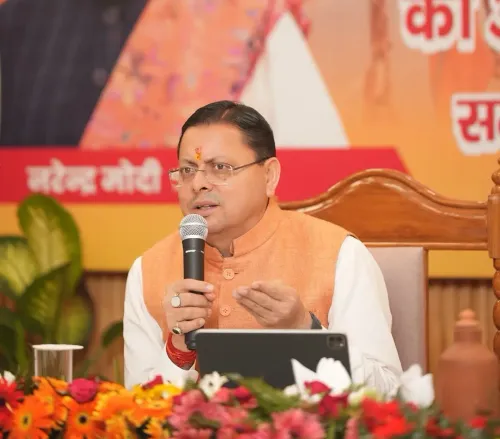
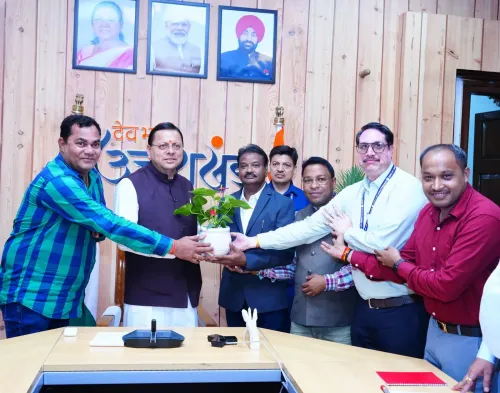
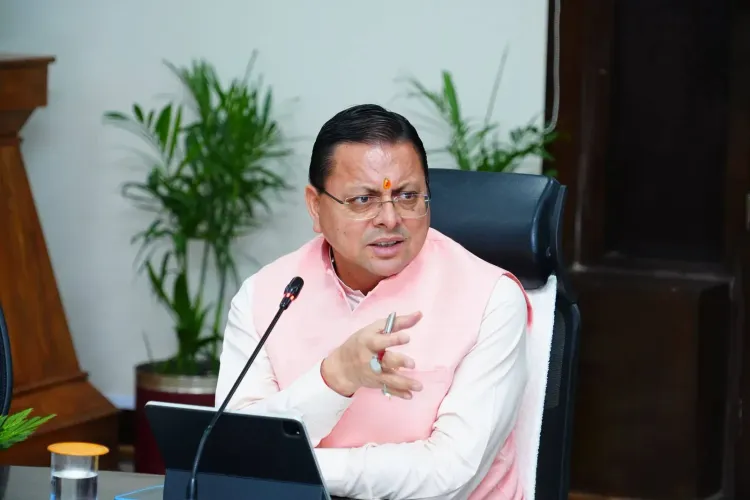
Uttarakhand Chief Minister Pushkar Singh Dhami on Friday, 24 July 2026, chaired a joint meeting of the State Wildlife Board and the State Level Tiger Steering Committee at the secretariat, directing officials to prepare concrete, time-bound action plans to curb human-wildlife conflict and boost wildlife-based tourism across the state.
Context
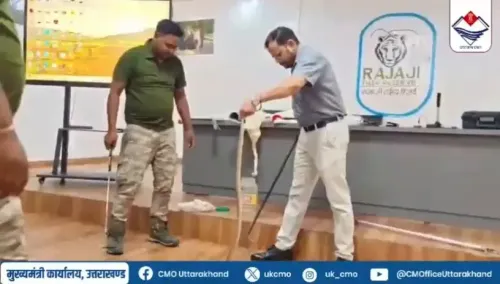
Addressing officials in the meeting, CM Dhami issued a range of directives covering rapid-response deployment, corridor conservation, and the use of advanced technology for tiger monitoring. He instructed that त्वरित प्रतिक्रिया दल (Quick Response Teams, or QRTs) be deployed specifically to prevent human-wildlife conflict during the upcoming Haridwar Kumbh, a mass pilgrimage event expected to draw millions of visitors to the state. The Chief Minister also called for better coordination among wildlife corridor protection, biodiversity enhancement, and local livelihood support.
Notably, CM Dhami directed that brave citizens who save others' lives during wildlife conflict incidents be honoured at the state level — a recognition framework aimed at encouraging community involvement in conflict management.
Policy Backdrop
Uttarakhand's wildlife governance is anchored in India's Project Tiger framework, launched nationally in 1973, which has shaped conservation efforts in key landscapes such as the Corbett Tiger Reserve. The state has been updating its forest and wildlife policies since its formation in 2000, with an increasing emphasis on scientific monitoring and habitat restoration.
The directives issued at this meeting reflect the broader National Tiger Conservation Authority (NTCA) framework, which seeks to balance biodiversity goals with the livelihood needs of communities living near forest areas. Officials were specifically asked to strengthen camera trap networks, Artificial Intelligence (AI)-based surveillance systems, and scientific wildlife management protocols. Special attention was also directed toward the development of natural water sources and pasture lands within and around wildlife zones.
Stakeholders and Impact
Cabinet Minister Subodh Uniyal, MLA Diwan Singh Bisht, and Gitaram Gaur (a designated office-bearer) were present at the meeting. Their attendance signals cross-departmental political backing for the wildlife agenda being pushed by the Chief Minister's office.
Local communities living on the fringes of forest areas stand to be most directly affected by the proposed measures. For the tourism sector, stronger wildlife management and conflict reduction could translate into a safer and more organised eco-tourism ecosystem — a segment Uttarakhand has been actively developing. Forest department officials will be responsible for operationalising the QRT deployments, AI surveillance upgrades, and corridor conservation plans within defined timelines.
What's Next
The immediate priority will be the rollout of QRT deployments ahead of the Haridwar Kumbh, ensuring that high-footfall pilgrimage zones adjacent to forested areas have adequate rapid-response coverage. Simultaneously, the forest department is expected to present timelines for expanding the AI-camera trap network and for developing water sources and pastures to support wildlife habitat.
The proposed state-level awards for citizens who intervene in wildlife conflict situations could set a policy precedent in Uttarakhand and may attract attention from other states grappling with similar challenges. How quickly these directives translate into on-ground action will determine whether Uttarakhand can meaningfully reduce conflict incidents while sustaining its growing reputation as a wildlife tourism destination.
Point of View
Consistent with the BJP-led state government's broader pitch for modernising public administration. The proposed citizen-honour framework is politically astute: it builds community goodwill in conflict-prone forest-fringe villages that are also key electoral constituencies. Taken together, these moves position wildlife management not just as an environmental obligation but as an integrated governance and political priority for the Dhami administration.
NationPress
23 Oct 2026
Frequently Asked Questions
What decisions were taken at the Uttarakhand State Wildlife Board meeting on 24 July 2026?
CM Pushkar Singh Dhami directed officials to deploy Quick Response Teams for the Haridwar Kumbh, strengthen AI and camera-trap based tiger surveillance, develop natural water sources and pastures, and honour citizens who intervene in wildlife conflicts.
What is the role of QRTs in Uttarakhand's wildlife conflict management?
Quick Response Teams (QRTs) are rapid-deployment units tasked with managing human-wildlife conflict incidents. CM Dhami specifically ordered their deployment during the Haridwar Kumbh to protect pilgrims and local residents in high-footfall areas near forests.
How is AI being used for tiger conservation in Uttarakhand?
Uttarakhand is strengthening AI-based surveillance systems alongside camera trap networks to monitor tiger movement, improve scientific wildlife management, and reduce conflict incidents — in line with the National Tiger Conservation Authority framework.
What is the State Level Tiger Steering Committee in Uttarakhand?
It is a state-level committee responsible for overseeing tiger conservation, habitat management, and the implementation of scientific monitoring protocols under the broader Project Tiger and NTCA framework.
Why is the Haridwar Kumbh relevant to wildlife management in Uttarakhand?
The Haridwar Kumbh draws millions of pilgrims to an area close to forested zones, increasing the risk of human-wildlife encounters. The state has been directed to pre-position QRTs and conflict-prevention measures specifically for this period.