CM Dhami Reaffirms Viksit Uttarakhand Vision at Party Event
Synopsis
Uttarakhand Chief Minister Pushkar Singh Dhami on 4 July 2026 reaffirmed his government's pledge to build a developed, self-reliant and secure Uttarakhand in line with the national Viksit Bharat vision, at a gathering of senior BJP leaders including Union Minister Ajay Tamta and state president Mahendra Bhat.
Key Takeaways
CM Pushkar Singh Dhami reaffirmed commitment to a developed, self-reliant, secure and prosperous Uttarakhand on 4 July 2026 .
His remarks explicitly link state governance goals to the national Viksit Bharat 2047 framework articulated by PM Modi .
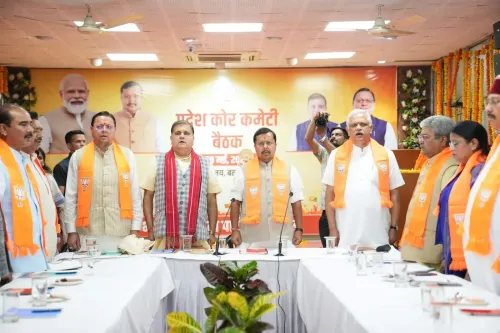
Senior BJP leaders present included Union MoS Ajay Tamta , state president and Rajya Sabha MP Mahendra Bhat , Rajya Sabha MP Naresh Bansal , and former CM Dr Ramesh Pokhriyal Nishank .
Uttarakhand has been governed by the BJP since 2017 ; the Dhami government was re-elected in 2022 .
The state's border geography with China and Nepal makes security a distinct pillar of its development agenda.
Upcoming budget sessions and the winter assembly will be key tests for translating the stated vision into policy outcomes.
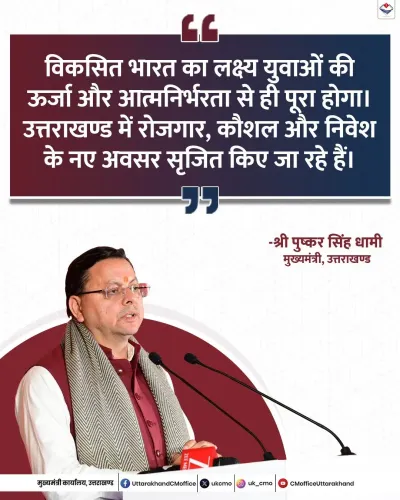
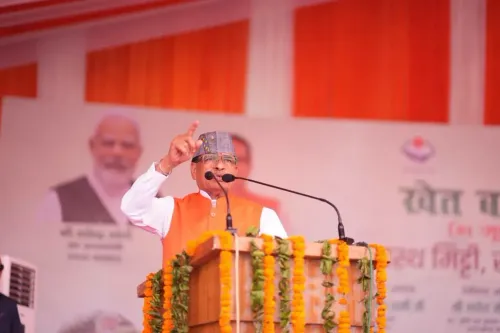
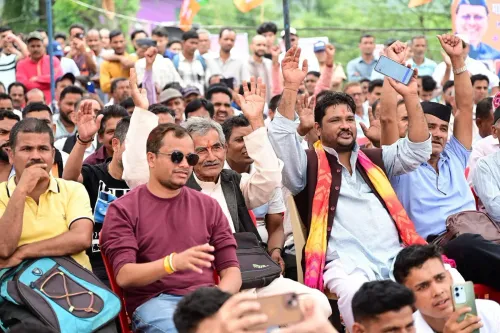
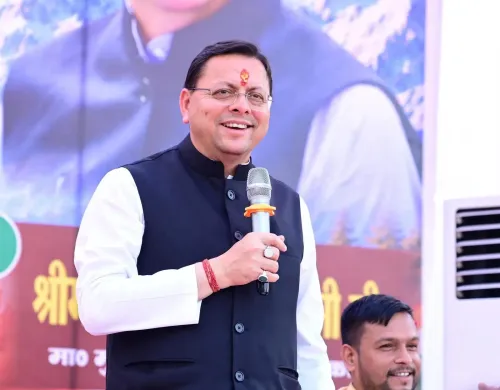
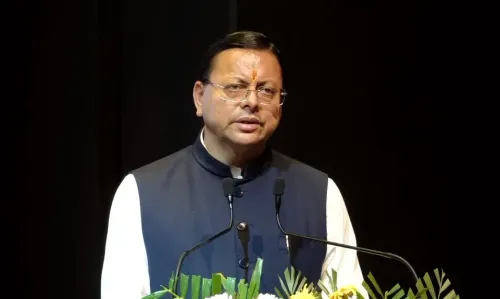
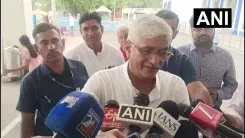
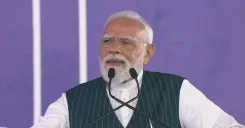
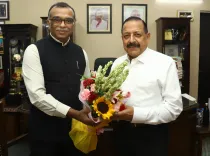
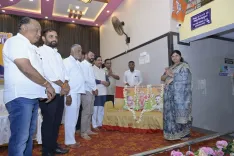
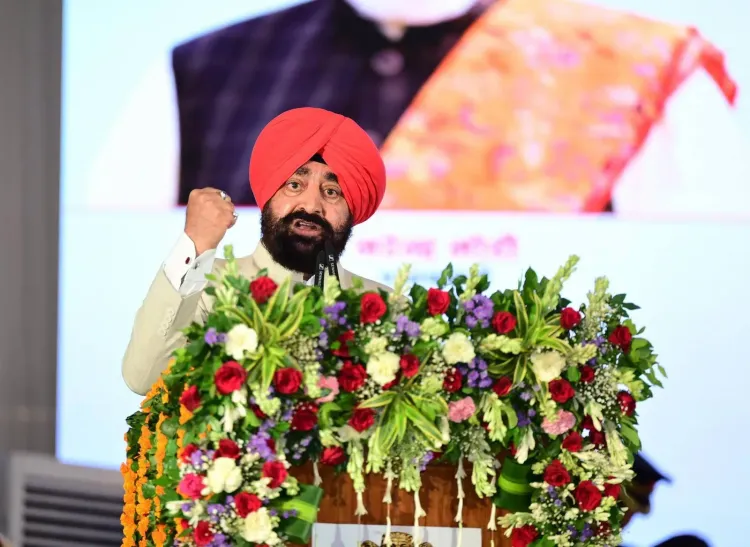
Uttarakhand Chief Minister Pushkar Singh Dhami on Saturday, 4 July 2026, reaffirmed his government's commitment to building a developed, self-reliant, secure and prosperous Uttarakhand in alignment with the national Viksit Bharat vision, posting his remarks on X alongside photographs from a party gathering attended by senior BJP leaders.
Context
In his post, CM Dhami expressed full confidence that the journey toward a 'viksit, aatmanirbhar, surakshit evam shreshtha Uttarakhand' (developed, self-reliant, secure and excellent Uttarakhand) would continue 'with complete commitment, sensitivity and firm resolve' — drawing directly on the language of Prime Minister Narendra Modi's Viksit Bharat 2047 framework. The occasion brought together a cross-section of the ruling party's state leadership, signalling a display of political unity within Uttarakhand BJP.
Among those present, CM Dhami specifically acknowledged Union Minister of State Ajay Tamta, BJP Uttarakhand State President and Rajya Sabha MP Mahendra Bhat, Rajya Sabha MP Naresh Bansal, and former Chief Minister Dr Ramesh Pokhriyal Nishank, along with cabinet ministers and sitting MLAs.
Policy Backdrop
Uttarakhand, carved out as India's 27th state on 9 November 2000, has been governed by the BJP since the 2017 assembly elections. The Dhami-led BJP government was returned to power in the 2022 Uttarakhand assembly elections, making CM Dhami the first chief minister in the state's history to be re-elected to the post after a previous term.
The Viksit Bharat goal — aimed at positioning India as a fully developed nation by 2047, the centenary of Independence — was articulated by PM Modi in his 2022 Independence Day address. BJP-governed states have since systematically aligned their local development messaging with this overarching national framework, tying infrastructure, tourism and border-security priorities to the central mission.
Stakeholders and Impact
Uttarakhand's unique geography — a Himalayan border state sharing frontiers with China and Nepal — lends particular weight to the 'secure' dimension of CM Dhami's stated vision. Successive state governments have emphasised border-area development, road connectivity to remote villages, and tourism infrastructure as pillars of economic self-reliance.
The presence of both central and state-level party leadership at the event underlines the coordinated approach between New Delhi and Dehradun on development priorities. For Uttarakhand's roughly 1.1 crore residents, the alignment with central schemes directly shapes the flow of funds for infrastructure, employment and social welfare programmes.
What's Next
Progress on state schemes linked to central missions will be closely watched in upcoming Uttarakhand budget sessions and the winter assembly sitting. CM Dhami's repeated invocation of the Viksit Bharat language suggests that the state government intends to benchmark its performance against national development indicators ahead of the next electoral cycle. The alignment of state and central BJP leadership visible at this event may also foreshadow coordinated policy announcements in the months ahead.
Point of View
Reinforcing ideological coherence between state capitals and New Delhi. The deliberate roll-call of central and state party heavyweights signals institutional unity at a time when the BJP is keen to project stable governance in a politically competitive hill state. The emphasis on 'self-reliance' and 'security' is calibrated to Uttarakhand's strategic border identity, distinguishing it from the generic development messaging used in landlocked states. Tracking whether this rhetorical alignment translates into measurable budgetary commitments will be the real test of the government's stated resolve.
NationPress
4 Jul 2026
Frequently Asked Questions
What did CM Pushkar Singh Dhami say on 4 July 2026?
CM Dhami expressed full confidence that the journey toward a developed, self-reliant, secure and excellent Uttarakhand would continue with complete commitment and firm resolve, aligning the state's goals with the national Viksit Bharat vision.
What is the Viksit Bharat vision and how does it relate to Uttarakhand?
Viksit Bharat is PM Modi's goal of making India a fully developed nation by 2047, the centenary of Independence. The Dhami government has aligned Uttarakhand's infrastructure, tourism and border-security priorities with this national framework.
Who attended the BJP event alongside CM Dhami on 4 July 2026?
Union Minister of State Ajay Tamta, BJP Uttarakhand state president and Rajya Sabha MP Mahendra Bhat, Rajya Sabha MP Naresh Bansal, former Chief Minister Dr Ramesh Pokhriyal Nishank, along with cabinet ministers and MLAs were present.
How long has the BJP been in power in Uttarakhand?
The BJP has governed Uttarakhand since the 2017 assembly elections. The Dhami-led government was re-elected in the 2022 elections, making him the first chief minister in the state's history to return after a previous term.
Why is border security a key part of Uttarakhand's development agenda?
Uttarakhand shares international borders with China and Nepal, making connectivity and security in remote border areas a distinct policy priority that successive state governments have tied to infrastructure and economic self-reliance programmes.