Joshi highlights Rajasthan's solar gains under PM Modi schemes
Synopsis
Union Minister Pralhad Joshi shared PM Modi's remarks highlighting Rajasthan's solar gains: over 1.5 lakh households connected under PM Surya Ghar Muft Bijli Yojana and more than 65,000 agricultural pumps solarised under PM-KUSUM, underscoring the state's role in India's clean-energy push.
Key Takeaways
Union Minister Pralhad Joshi quoted PM Narendra Modi on Rajasthan's solar energy progress on July 4, 2026 .
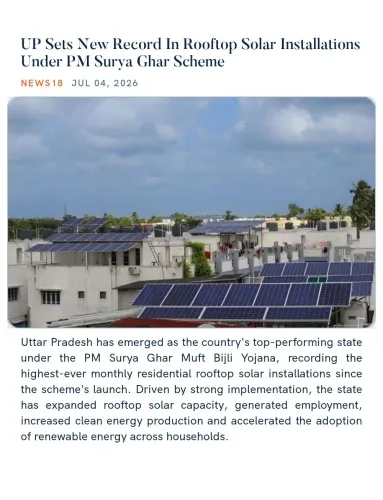
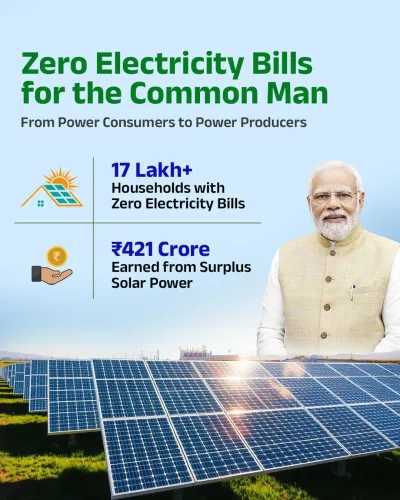
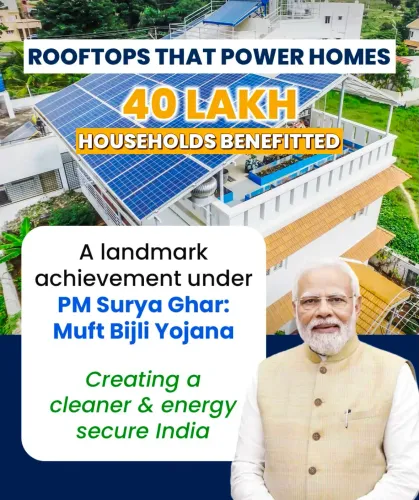
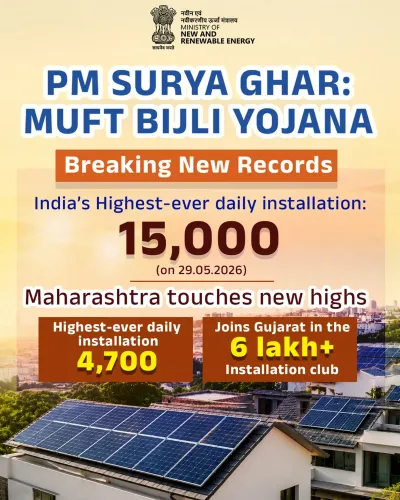
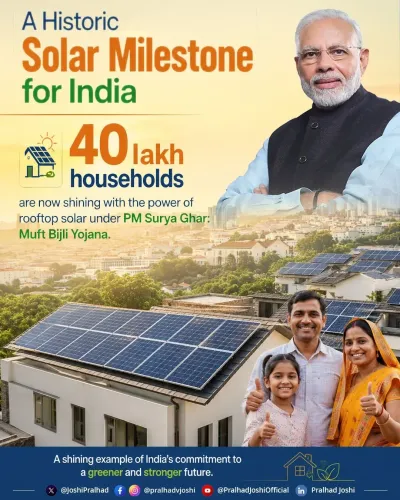
More than 1.5 lakh households in Rajasthan have been connected to solar power under the PM Surya Ghar Muft Bijli Yojana .
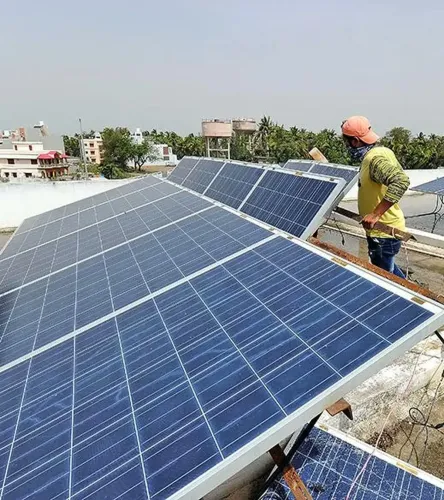
Over 65,000 solar pumps have been provided to farmers in Rajasthan under the PM-KUSUM Scheme .
PM-KUSUM was launched in 2019 ; PM Surya Ghar was announced in the 2024-25 Union Budget .
Rajasthan's high solar irradiance makes it a key state in India's push for 500 GW non-fossil fuel capacity by 2030 .
Both schemes aim to reduce subsidy burdens on state discoms while delivering direct energy benefits to farmers and rural households.
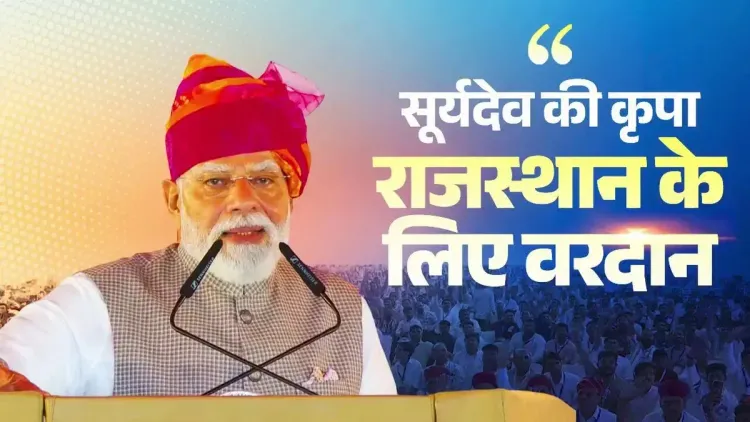
Union Consumer Affairs and New and Renewable Energy Minister Pralhad Joshi on Saturday, July 4, 2026, shared data highlighting Rajasthan's progress under two flagship central solar schemes, attributing the remarks to Prime Minister Narendra Modi.
Context
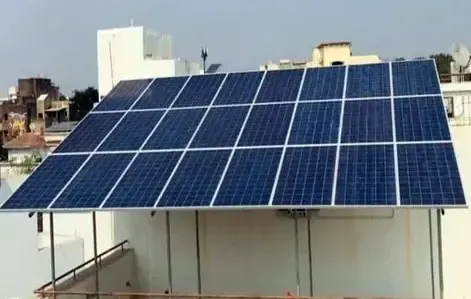
Quoting PM Modi, Minister Joshi noted that Rajasthan's abundant sunlight makes it 'an ideal destination for world-class solar parks.' Under the PM Surya Ghar Muft Bijli Yojana, more than 1.5 lakh households in the state have been connected to rooftop solar power. Under the PM-KUSUM Scheme, over 65,000 solar pumps have been provided to farmers across Rajasthan.
The post underscores the Centre's emphasis on Rajasthan as a solar-energy frontrunner, given the state's high irradiance levels and vast land availability that have made it home to several of India's largest utility-scale solar parks.
Policy Backdrop
The PM-KUSUM Scheme — Pradhan Mantri Kisan Urja Suraksha evam Utthaan Mahabhiyan — was launched in 2019 to solarise agricultural pump sets, reduce diesel dependence, and supplement farmer incomes by allowing surplus power to be fed into the grid. It operates across three components covering standalone solar pumps, grid-connected pumps, and solarisation of existing feeders.
The PM Surya Ghar Muft Bijli Yojana was announced in the 2024-25 Union Budget to accelerate household rooftop solar adoption, offering subsidies and promising up to 300 units of free electricity per month to beneficiary households. Both schemes sit within India's broader National Solar Mission framework and its commitment, updated at COP26 in 2021, to achieve 500 GW of non-fossil fuel electricity capacity by 2030.
Stakeholders and Impact
Rajasthan's farming community stands as a primary beneficiary: solar pumps reduce irrigation costs and shield cultivators from erratic grid supply and rising diesel prices. Rural households connected under the rooftop solar scheme gain both energy security and a potential income stream from surplus generation.
State electricity distribution companies (discoms) also benefit indirectly, as decentralised solar generation eases peak-load pressure and reduces the subsidy burden associated with heavily subsidised agricultural feeders — a structural challenge that has long strained Rajasthan's power sector finances.
What's Next
The government's framing of Rajasthan as a model solar state signals continued policy attention to the region. Analysts will watch for mid-term scheme reviews — potentially in the next Union Budget or a dedicated parliamentary session on renewable energy — that could revise beneficiary targets or expand subsidy allocations for both programmes.
With India's 2030 clean-energy targets drawing closer, state-level implementation data from high-potential states like Rajasthan will be critical in assessing whether the country's decentralised solar push is on track.
Point of View
Using verified scheme metrics to reinforce the BJP government's renewable energy narrative ahead of any potential electoral or budgetary cycle. The choice of Rajasthan — a state with both high solar potential and a politically contested landscape — is unlikely to be incidental. Framing the data as PM Modi's own words elevates the communication beyond a ministerial update, signalling that the Centre views Rajasthan's solar performance as a flagship showcase. This pattern of highlighting decentralised solar beneficiaries fits a broader strategy of translating India's gigawatt-scale clean-energy ambitions into tangible, household-level stories that resonate with rural voters.
NationPress
4 Jul 2026
Frequently Asked Questions
What is the PM Surya Ghar Muft Bijli Yojana?
The PM Surya Ghar Muft Bijli Yojana is a central government rooftop solar subsidy scheme announced in the 2024-25 Union Budget that provides eligible households with subsidised solar installations and up to 300 units of free electricity per month.
How many households in Rajasthan have solar power under PM Surya Ghar?
According to Minister Pralhad Joshi's post quoting PM Modi, more than 1.5 lakh households in Rajasthan have been connected to solar power under the PM Surya Ghar Muft Bijli Yojana.
What is the PM-KUSUM Scheme and how does it help farmers?
PM-KUSUM (Pradhan Mantri Kisan Urja Suraksha evam Utthaan Mahabhiyan), launched in 2019, solarises agricultural pump sets to cut irrigation costs, reduce diesel dependence, and allow farmers to earn by selling surplus power to the grid.
How many solar pumps have been installed in Rajasthan under PM-KUSUM?
As per the post shared by Minister Joshi, over 65,000 solar pumps have been provided to farmers across Rajasthan under the PM-KUSUM Scheme.
Why is Rajasthan important for India's solar energy goals?
Rajasthan receives among the highest solar irradiance in India and hosts several large solar parks, making it a key contributor to the country's target of 500 GW of non-fossil fuel capacity by 2030.