CM Dhami Reviews Kanwar Mela Preparations in Haridwar
Synopsis
Chief Minister Pushkar Singh Dhami held a preparatory review meeting with officials at Mela Control Bhawan, Haridwar, on 21 July 2026, to coordinate logistics, security, and crowd management ahead of the annual Kanwar Mela during the Shravan pilgrimage season.
Key Takeaways
CM Pushkar Singh Dhami personally chaired the preparatory review meeting at Mela Control Bhawan, Haridwar on 21 July 2026 .
The meeting focused on coordinating arrangements for the annual Kanwar Mela , held during the Shravan month .
Haridwar is the principal Ganga-water collection point for millions of Shiva devotees undertaking the Kanwar Yatra each year.
Uttarakhand has institutionalised multi-department pre-mela reviews following crowd-management lessons from earlier large gatherings including the 2021 Kumbh Mela .
Operational protocols covering traffic, medical aid, sanitation, and security are expected to be finalised and rolled out ahead of the pilgrimage season.
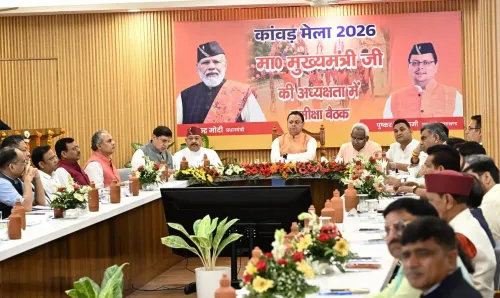
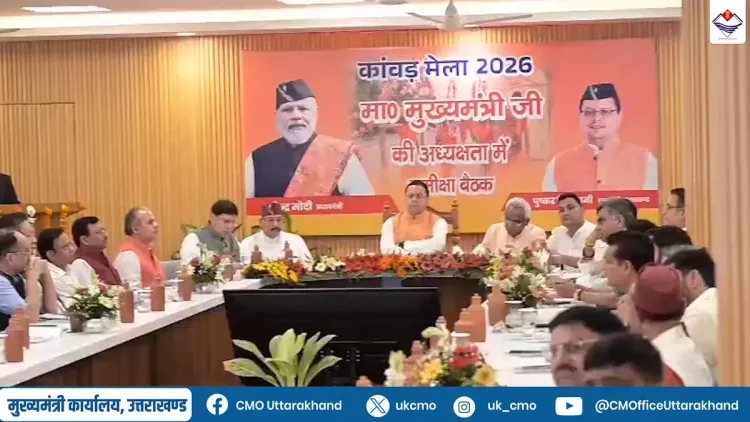
Chief Minister Pushkar Singh Dhami chaired a high-level review meeting with senior officials at the Mela Control Bhawan, Haridwar, on Tuesday, 21 July 2026, to assess preparations for the upcoming Kanwar Mela in the state.
Context
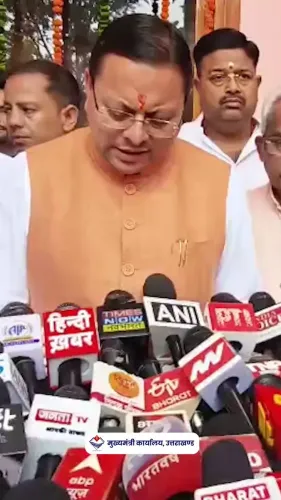
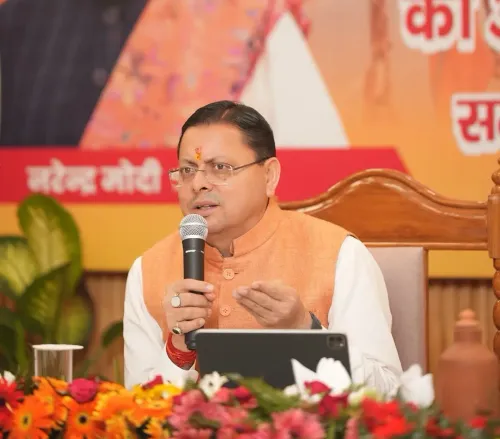
The Chief Minister's Office of Uttarakhand shared visuals of the meeting, captioned 'मेला नियंत्रण भवन, हरिद्वार में कांवड़ मेले की तैयारियों को लेकर अधिकारियों की बैठक लेते मुख्यमंत्री श्री पुष्कर सिंह धामी' ('Chief Minister Pushkar Singh Dhami chairing a meeting of officials regarding preparations for the Kanwar Mela at Mela Control Bhawan, Haridwar'). The meeting signals the state government's formal activation of its pre-mela coordination machinery ahead of the Shravan month pilgrimage season.
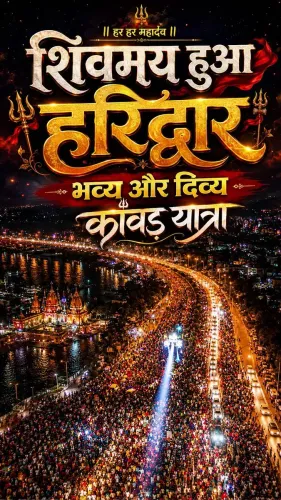
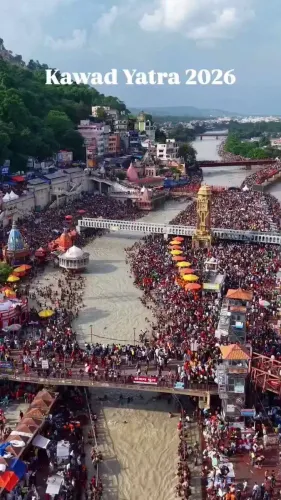
Haridwar, situated on the banks of the Ganga in Uttarakhand, is the principal destination for Kanwar pilgrims — devotees of Lord Shiva who travel on foot to collect sacred Ganga water and carry it back to their home temples. The mela draws millions of pilgrims each year, making advance planning a critical administrative exercise.
Policy Backdrop
Uttarakhand has institutionalised multi-department preparatory reviews ahead of major religious gatherings at its Himalayan pilgrimage sites. This practice was reinforced following crowd-management challenges at earlier large-scale melas, including the 2021 Haridwar Kumbh Mela, where coordination across traffic, sanitation, health, and law-and-order departments was tested at scale.
The Mela Control Bhawan in Haridwar serves as the nodal command centre for such events, bringing together district administration, police, health services, and civic bodies under a unified review framework. Chief Minister Dhami, who has been in office since 2021, has consistently participated in such pre-event reviews as part of the state's religious-tourism and pilgrimage-management priorities.
Stakeholders and Impact
The primary stakeholders are the millions of Kanwar pilgrims — predominantly from Uttar Pradesh, Delhi, Haryana, and Rajasthan — who converge on Haridwar during Shravan. Effective coordination directly affects their safety, access to medical aid, and the overall experience of the yatra.
Local residents, traders, and hospitality providers in Haridwar are also significantly impacted, as the mela generates substantial economic activity while placing acute pressure on civic infrastructure including roads, water supply, and waste management. The district administration and state police bear the primary operational burden of crowd control and security deployment.
What's Next
Authorities are expected to finalise and announce specific operational protocols following the review, potentially covering traffic diversions, medical camp locations, temporary accommodation zones, and law-and-order deployment plans. The rollout of any new crowd-control measures or infrastructure upgrades identified during the meeting will be closely watched as the Shravan season approaches. The state government's ability to manage the influx without major incidents will be a key test of its pilgrimage-management capabilities this year.
Point of View
Visible top-level oversight of yatra logistics is a deliberate posture. The review fits a broader pattern of Uttarakhand positioning itself as the gold standard for Himalayan religious-tourism management, a narrative the Dhami administration has cultivated since the Char Dham Yatra expansions. How smoothly the mela is executed will directly shape the government's credibility on pilgrimage infrastructure in the run-up to future electoral cycles.
NationPress
20 Oct 2026
Frequently Asked Questions
What is the Kanwar Mela in Haridwar?
The Kanwar Mela is an annual Hindu pilgrimage held during the Shravan month, in which millions of Lord Shiva devotees — called Kanwariyas — travel on foot to Haridwar to collect sacred Ganga water and carry it back to Shiva temples in their home regions.
Why did CM Dhami hold a meeting at Mela Control Bhawan Haridwar?
Chief Minister Pushkar Singh Dhami chaired the meeting on 21 July 2026 to review and coordinate administrative preparations — including crowd management, security, traffic, and medical services — ahead of the Kanwar Mela season.
When is the Kanwar Mela 2026?
The Kanwar Mela takes place during the Hindu month of Shravan, which in 2026 falls in July-August. The exact dates of the peak pilgrimage period are determined by the lunar calendar.
How many pilgrims attend the Haridwar Kanwar Mela?
The Kanwar Mela in Haridwar draws millions of pilgrims each year, making it one of the largest annual religious gatherings in India and a significant crowd-management challenge for the Uttarakhand government.
What is Mela Control Bhawan in Haridwar?
Mela Control Bhawan is the nodal command and coordination centre in Haridwar used by the Uttarakhand government to manage large-scale religious events, bringing together district administration, police, health, and civic departments under one roof.