CM Dhami Sanctions ₹42 Crore for Uttarakhand Roads
Synopsis
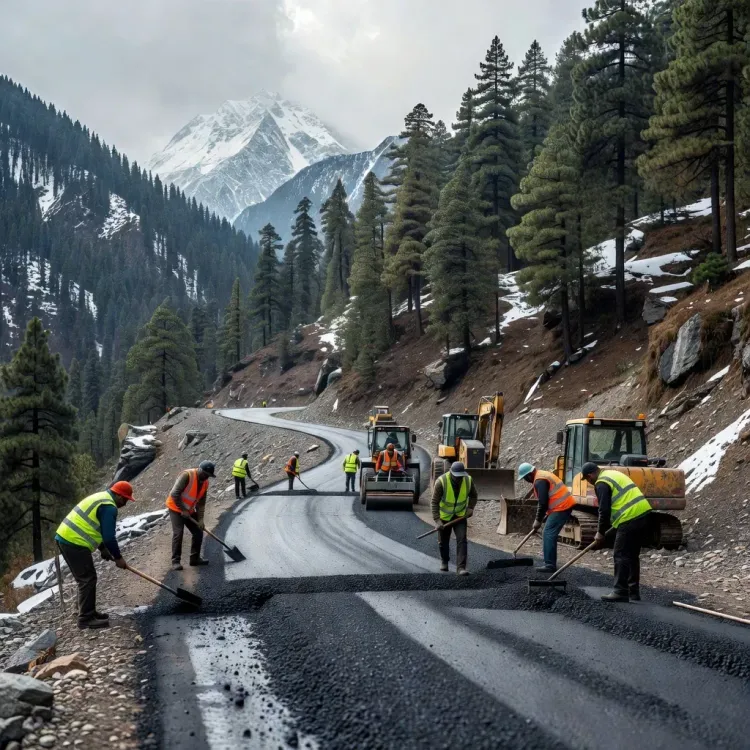
Chief Minister Pushkar Singh Dhami has approved ₹42 crore for road construction, beautification, and disaster relief works across Uttarakhand districts, combining financial and administrative clearances to fast-track public-interest development projects in the Himalayan state.
Key Takeaways
₹42 crore in financial and administrative approval granted by CM Pushkar Singh Dhami on 25 June 2026 .
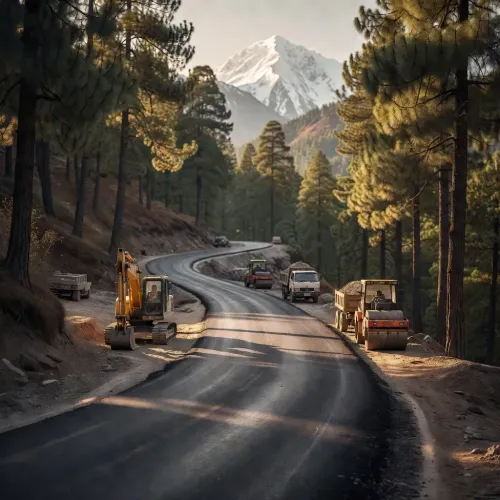
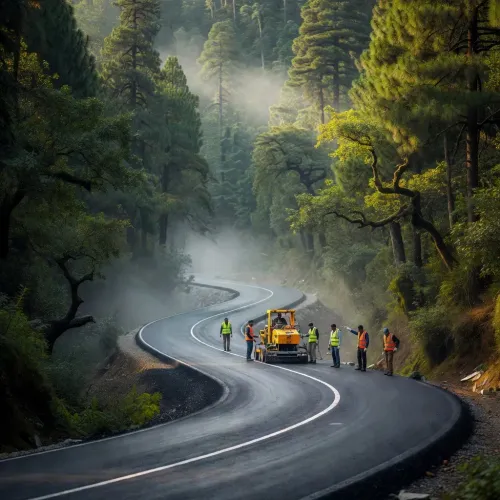
Funds cover construction and beautification of external and internal roads across multiple Uttarakhand districts.
Disaster relief works are explicitly included alongside road infrastructure projects.
The sanction also covers implementation of previously announced public-interest declarations by the Chief Minister.
Both financial and administrative clearances are combined, removing procedural bottlenecks for on-ground execution.
Hill residents and the tourism sector are the primary stakeholders expected to benefit.
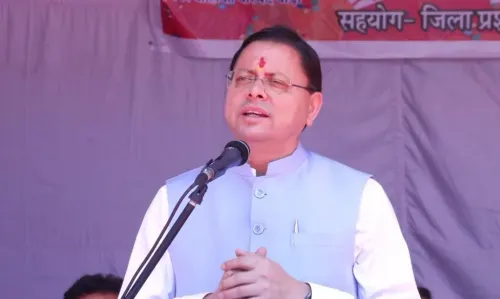
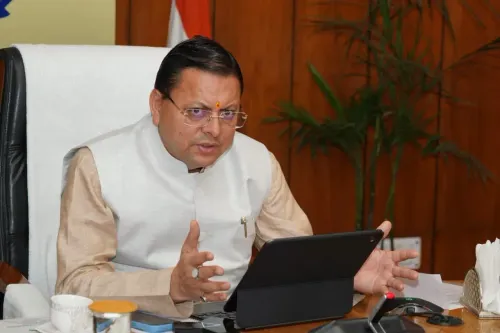
The Chief Minister's Office of Uttarakhand announced on Thursday, 25 June 2026, that Chief Minister Pushkar Singh Dhami has granted financial and administrative approval of ₹42 crore for development works across various districts of the state, covering construction and beautification of external and internal roads, disaster relief, and other public-interest initiatives.
Context
The official post stated that the sanction covers 'vāhya evam āntarik mārgon ke nirmāṇ, saundarīkaraṇ aur āpada rāhat' (construction and beautification of external and internal roads, and disaster relief), along with the effective implementation of important public-interest announcements across multiple districts of Uttarakhand. The approval consolidates both financial and administrative clearances, enabling departments to initiate on-ground execution without further procedural delays.
Policy Backdrop
Uttarakhand, a Himalayan state highly vulnerable to landslides and seasonal floods, has faced persistent challenges in maintaining road connectivity to remote hill districts. Since 2022, successive state budgets have allocated funds under the Public Works Department for internal and external road networks, with an emphasis on all-weather connectivity. Such approvals also align with broader central frameworks aimed at strengthening road infrastructure in hilly and mountainous terrain. Chief Minister Dhami, who has led the state since 2021, has consistently positioned road construction and disaster-resilient infrastructure as core priorities of his administration.
Stakeholders and Impact
The primary beneficiaries of this sanction are residents of hill districts who depend on functional road networks for daily mobility, access to healthcare, and economic activity. The tourism sector, a critical pillar of Uttarakhand's economy, stands to gain from improved road aesthetics and connectivity to pilgrimage and leisure destinations. Disaster relief components within the sanction are particularly significant given the state's annual exposure to monsoon-related emergencies, where road damage can isolate entire communities for extended periods.
What's Next
With financial and administrative approval now in place, the focus shifts to rollout timelines and departmental execution across the identified districts. Observers will watch whether the sanctioned works are tendered and awarded within the current financial year, and whether the next state budget supplements this allocation with additional funds for disaster-resilient road infrastructure. The pace of implementation will be a key indicator of the administration's capacity to translate approvals into visible ground-level change ahead of the next electoral cycle.
Point of View
Signalling continued prioritisation of connectivity in a state where road conditions directly affect electoral sentiment in hill constituencies. By bundling road beautification with disaster relief under a single approval, the administration is projecting both developmental intent and crisis-preparedness — a dual message that resonates strongly in a monsoon-prone Himalayan state. The combined financial and administrative clearance format also suggests an effort to compress bureaucratic timelines, a recurring criticism of infrastructure delivery in Uttarakhand. How quickly these funds translate into tendered and executed works will determine whether this approval becomes a governance milestone or a headline without follow-through.
NationPress
25 Jun 2026
Frequently Asked Questions
How much money has CM Dhami approved for Uttarakhand roads?
Chief Minister Pushkar Singh Dhami has approved ₹42 crore in financial and administrative sanction for road construction, beautification, and disaster relief works across various districts of Uttarakhand.
Which districts in Uttarakhand will benefit from the ₹42 crore road sanction?
The official announcement states that the funds cover 'various districts' of Uttarakhand, but specific district names were not listed in the Chief Minister's Office communication.
What types of works are covered under the ₹42 crore Uttarakhand approval?
The sanction covers construction of external and internal roads, beautification of road corridors, disaster relief works, and implementation of important public-interest announcements made by the Chief Minister.
Why is road infrastructure important for Uttarakhand?
Uttarakhand is a Himalayan state highly prone to landslides and floods, making road connectivity critical for daily mobility, emergency response, and the tourism sector, which is a major driver of the state's economy.
When was the ₹42 crore Uttarakhand road sanction announced?
The Chief Minister's Office of Uttarakhand announced the sanction on 25 June 2026 .