CM Dhami Shares Kalratri Stotra on Navratri Day Seven
Synopsis
Uttarakhand Chief Minister Pushkar Singh Dhami marked Navratri Day Seven with a classical Sanskrit stotra on Maa Kalratri and a prayer for peace, fearlessness, and prosperity for all devotees.
Key Takeaways
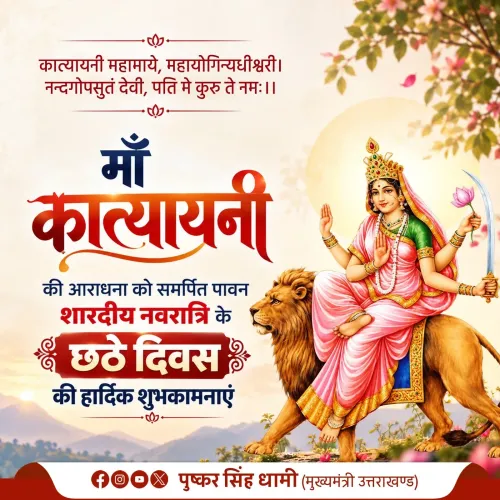
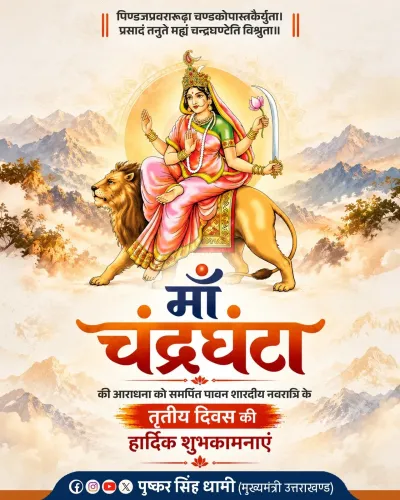
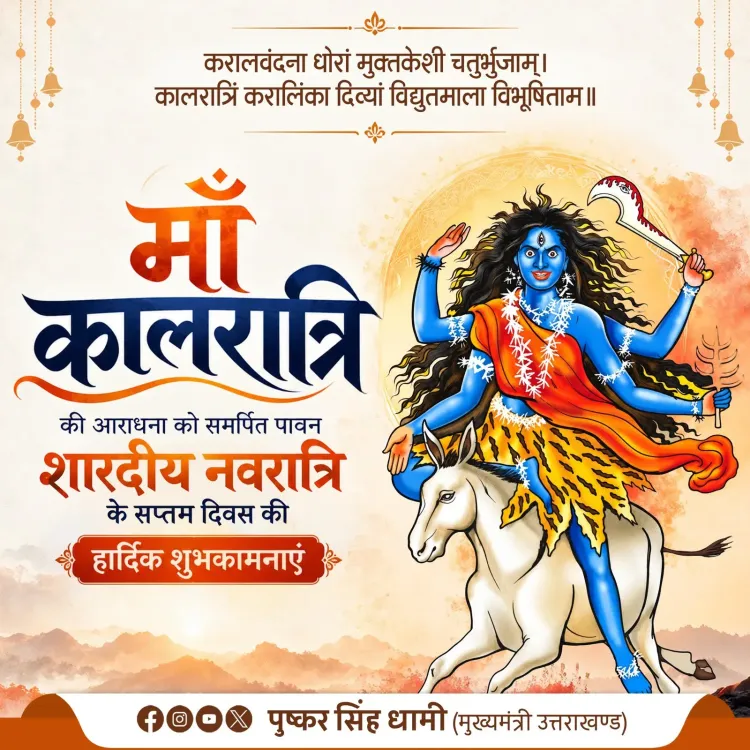
Navratri Day Seven (17 October 2026): CM Pushkar Singh Dhami posted a Sanskrit stotra dedicated to Maa Kalratri on X.
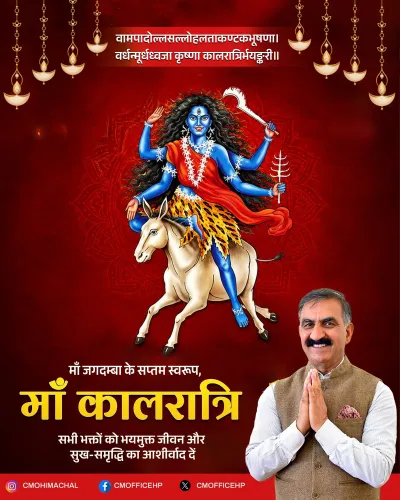
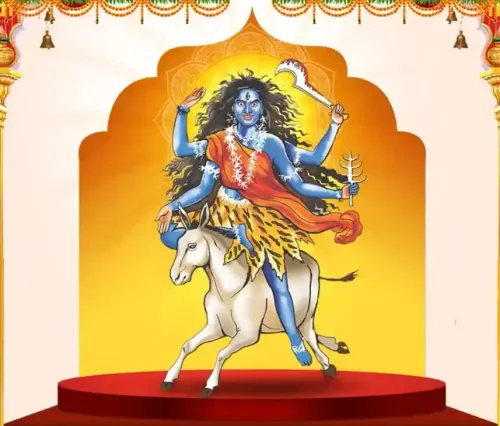
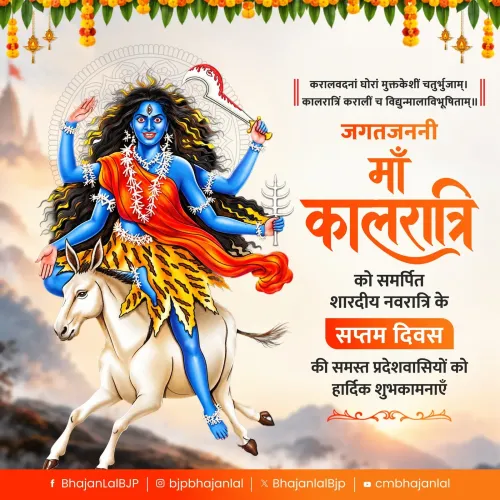
The Sanskrit verse describes Kalratri's fierce iconography — bare form, donkey mount, copper-red eyes, iron-thorn ornaments.
CM Dhami prayed that the goddess destroy the 'darkness of ignorance' and grant devotees fearlessness, strength, and prosperity.
Maa Kalratri is the seventh of the Navdurga forms, associated with the removal of fear and annihilation of evil.
Devotional Navratri posts are a consistent social-media practice among BJP chief ministers, reinforcing cultural engagement with constituents.
Uttarakhand, called Devbhoomi , hosts significant Shakti temple observances throughout the Navratri season.
On the seventh day of Navratri, Uttarakhand Chief Minister Pushkar Singh Dhami invoked the fierce and liberating energy of Maa Kalratri — the seventh form of Goddess Durga — with a Sanskrit stotra and a prayer for the well-being of his followers, posted on 17 October 2026.
The post opens with a classical Sanskrit verse describing Kalratri: 'Ekaveni japakarnapura nagna kharasthita...' — painting the goddess as bare, standing on a donkey, with flowing hair, copper-red eyes, and limbs adorned with iron thorns. The verse captures the terrifying yet transformative iconography that defines this form of Durga in traditional Shakta texts.
CM Dhami then offered a Hindi prayer: that Maa Kalratri, the destroyer of the darkness of ignorance (agyaan rupi andhkar), bestow fearlessness and strength upon her devotees, and fill every life with happiness, peace, and prosperity.
Kalratri: The Goddess Who Destroys Darkness
Maa Kalratri is among the most potent and visually striking of the Navdurga — the nine forms of Goddess Durga worshipped across nine nights of Navratri. She is traditionally associated with the removal of fear, the destruction of evil, and the annihilation of ignorance. Devotees across India observe special prayers, jagrans, and temple rituals dedicated to her on the seventh night.
Uttarakhand, known as Devbhoomi — the land of gods — holds particular cultural significance during Navratri, with ancient Shakti temples drawing large congregations of pilgrims each year.
BJP Leaders and the Festival Social-Media Tradition
Sharing devotional verses and festival greetings on social media during major Hindu observances has become a consistent pattern among BJP-led state governments. For Chief Ministers like Dhami, such posts serve as a direct line of cultural communion with constituents, reinforcing a public identity rooted in religious heritage. The practice spans Diwali, Holi, Ram Navami, and the full arc of Navratri.
As Navratri moves toward its final days and the celebration of Maha Navami and Vijaya Dashami (Dussehra), state-level temple events and official observances in Uttarakhand are expected to gather momentum — a season where governance and devotion converge on the public stage.
Point of View
Reinforcing the party's Hindutva cultural identity in a state with deep religious significance. For a Chief Minister of Devbhoomi Uttarakhand, such posts carry added symbolic weight, aligning governance persona with the state's identity as a pilgrimage heartland. As Navratri crescendos into Dussehra, expect this cultural visibility to translate into on-ground official events that blend statecraft with devotion.
NationPress
17 Oct 2026
Frequently Asked Questions
Which day of Navratri is dedicated to Maa Kalratri?
The seventh day of Navratri is dedicated to Maa Kalratri , the seventh of the nine forms of Goddess Durga, worshipped for her power to destroy fear and ignorance.
What did CM Pushkar Singh Dhami post on Navratri Day Seven 2026?
CM Pushkar Singh Dhami shared a classical Sanskrit stotra describing Maa Kalratri's iconography and offered a prayer for devotees to receive fearlessness, strength, happiness, peace, and prosperity.
What is the meaning of the Sanskrit verse CM Dhami shared about Kalratri?
The verse describes Maa Kalratri as bare-bodied, riding a donkey, with flowing hair, copper-tipped ears, long lips, oil-anointed body, and iron-thorn ornaments — iconography drawn from classical Shakta texts depicting her fierce, liberating form.
Why is Uttarakhand called Devbhoomi during Navratri?
Uttarakhand is called Devbhoomi — the land of gods — because it is home to numerous ancient Shakti temples and pilgrimage sites that draw large numbers of devotees, especially during Navratri.
Do BJP chief ministers regularly post on social media during Navratri?
Yes, sharing devotional verses and festival greetings during major Hindu observances such as Navratri has become a consistent social-media tradition among BJP -led state governments and their chief ministers.