CM Dhami: Tech and transparency curbed corruption in Uttarakhand
Synopsis
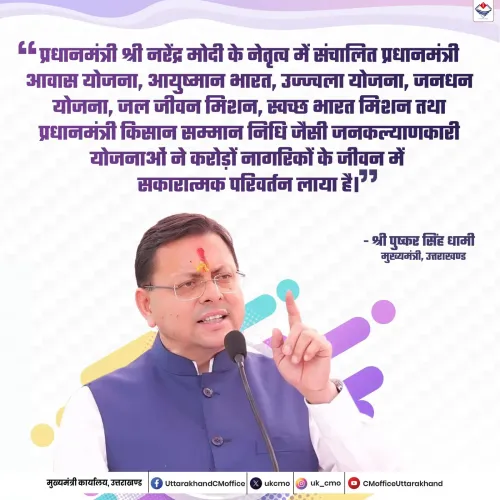
Chief Minister Pushkar Singh Dhami on 20 June 2026 credited joint central-state use of technology and transparency for controlling corruption and routing welfare scheme benefits directly to Uttarakhand residents, marking 12 years of the Garib Kalyan agenda.
Key Takeaways
CM Pushkar Singh Dhami stated that the central and state governments have jointly controlled corruption through technology and transparency.
The statement was made on 20 June 2026 and shared by the official Chief Minister's Office of Uttarakhand X account.
The post was tagged #12YearsOfGaribKalyan , linking the remarks to a national welfare delivery milestone.
The Direct Benefit Transfer (DBT) framework, built on the JAM trinity (Jan Dhan, Aadhaar, Mobile), is the central mechanism cited for reducing leakages.
Uttarakhand's dispersed hill geography makes direct digital transfer particularly significant for reaching remote beneficiaries.
State-level audit data on leakage reduction and beneficiary reach will be the key metric to watch going forward.
Chief Minister Pushkar Singh Dhami on Saturday, 20 June 2026, stated that the central and state governments have jointly used transparency and technology to effectively control corruption and deliver scheme benefits directly to the public. The remarks came as Uttarakhand joined national observances marking 12 years of the Garib Kalyan welfare agenda.
Context
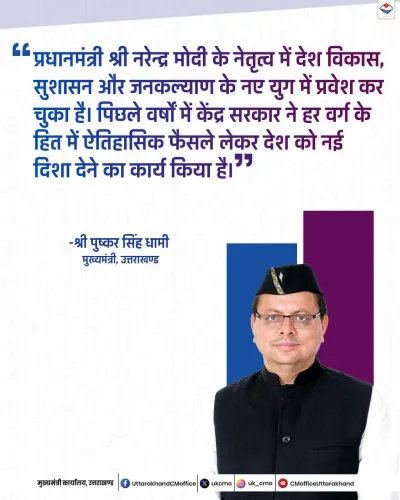
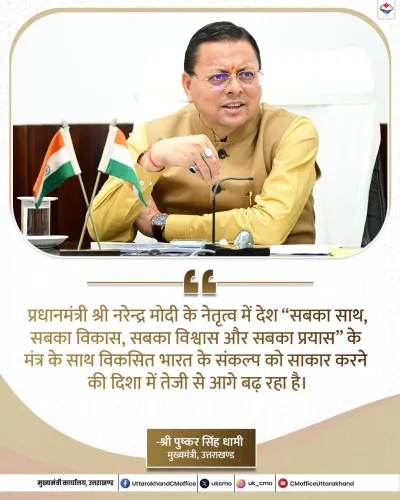
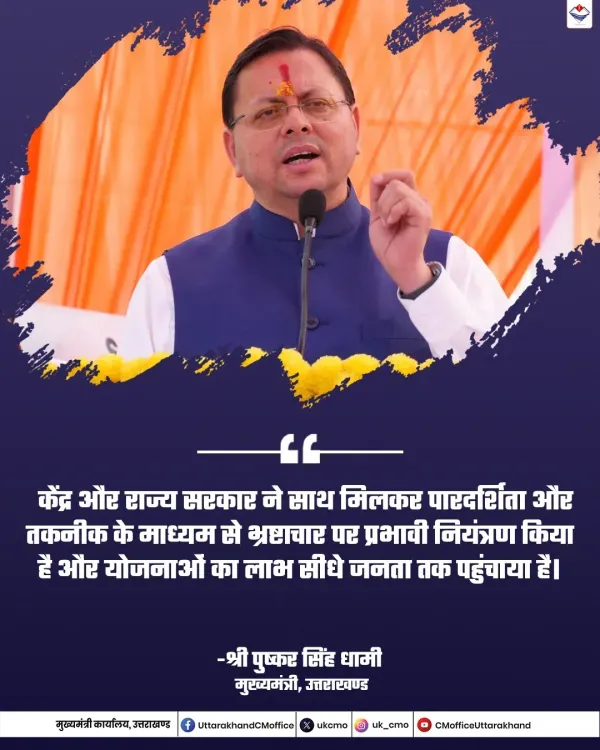
CM Dhami quoted himself as saying: 'Kendra aur rajya sarkar ne saath milkar paardarshhita aur takneek ke madhyam se bhrashtaachaar par prabhavi niyantran kiya hai aur yojanaon ka laabh seedhe janta tak pahunchaaya hai' — ('The central and state government together have effectively controlled corruption through transparency and technology, and have delivered the benefits of schemes directly to the people.')
The post, shared by the Chief Minister's Office of Uttarakhand on its official X account, carried the hashtags #Uttarakhand and #12YearsOfGaribKalyan, anchoring the statement to a broader national milestone in welfare delivery.
Policy Backdrop
The Garib Kalyan framework — broadly referring to the suite of pro-poor schemes accelerated after 2014 — relies heavily on the Direct Benefit Transfer (DBT) architecture. Under DBT, subsidies and welfare payments are routed directly into beneficiaries' bank accounts using Aadhaar linkage, bypassing traditional intermediary chains that had historically been prone to leakage.
The initiative is underpinned by the JAM trinity — Jan Dhan accounts, Aadhaar, and Mobile connectivity — introduced nationally after 2014. Multiple states have since built state-level digital platforms on top of this national infrastructure to transfer benefits under schemes ranging from food security to cash assistance.
Uttarakhand, a hill state with a dispersed rural population, has adopted these central platforms to address the particular challenge of reaching beneficiaries in remote areas where physical distribution systems have historically underperformed.
Stakeholders and Impact
The primary beneficiaries of this governance model are welfare recipients across Uttarakhand — including those covered under food, housing, health, and livelihood schemes. By reducing intermediary handling, the DBT approach is designed to ensure that the full entitled amount reaches each beneficiary without deduction.
State administration officials and district-level functionaries are also key stakeholders, as digital delivery systems shift accountability to verifiable, auditable transaction records. The BJP-led state government has consistently positioned this alignment with central digital infrastructure as a cornerstone of its governance narrative.
What's Next
The #12YearsOfGaribKalyan marker suggests the observance will include broader national-level communication from the central government and aligned state governments. Analysts will watch for state-level audit reports or performance data from Uttarakhand quantifying leakage reduction and the number of beneficiaries reached through direct transfers. Any new digital platform announcements or scheme expansions specific to the state would be the next concrete policy development to track.
Point of View
Positioning Uttarakhand as a model of cooperative federalism in welfare delivery. The framing — 'transparency and technology' as anti-corruption tools — is a recurring rhetorical device used by BJP-governed states to validate the DBT-Aadhaar architecture introduced after 2014. What gives the claim political weight is the hill state's structural challenge: delivering benefits to remote populations where physical distribution historically leaked badly. The real test, however, lies in independent audit data that can substantiate leakage reduction figures, which remain unverified at this stage.
NationPress
20 Jun 2026
Frequently Asked Questions
What did CM Pushkar Singh Dhami say about corruption in Uttarakhand?
CM Dhami stated that the central and state governments have jointly used technology and transparency to effectively control corruption and deliver welfare scheme benefits directly to the public in Uttarakhand.
What is the Garib Kalyan scheme and why is 12 years being marked?
Garib Kalyan refers to the suite of pro-poor welfare schemes accelerated by the central government after 2014. The #12YearsOfGaribKalyan hashtag marks approximately 12 years of this welfare agenda, being observed in June 2026.
How does Direct Benefit Transfer help reduce corruption in welfare schemes?
Direct Benefit Transfer (DBT) routes subsidy and welfare payments directly into beneficiaries' Aadhaar-linked bank accounts, bypassing intermediaries who historically diverted or deducted funds before they reached recipients.
What is the JAM trinity and how does it work in Uttarakhand?
The JAM trinity stands for Jan Dhan bank accounts, Aadhaar identity numbers, and Mobile connectivity. Together, these three systems enable the government to transfer welfare payments digitally and verifiably to individual beneficiaries, including those in Uttarakhand's remote hill regions.
Is Uttarakhand's anti-corruption through technology claim verified?
CM Dhami's statement reflects the official government position. Independent audit data specifically quantifying leakage reduction in Uttarakhand's schemes has not been publicly verified at this stage and will be a key metric to watch.