CM Dhami Thanks PM Modi, Amit Shah for Disaster Relief Norm Hike
Synopsis
Chief Minister Pushkar Singh Dhami thanked PM Narendra Modi and Home Minister Amit Shah on November 12, 2026, after the central government raised disaster relief assistance norms under SDRF and NDRF — a significant upgrade for disaster-prone Uttarakhand's flood and landslide-hit families.
Key Takeaways
CM Pushkar Singh Dhami publicly thanked PM Narendra Modi and Home Minister Amit Shah for raising disaster relief assistance standards.
The revision upgrades the scales of assistance under the State Disaster Response Fund (SDRF) and National Disaster Response Fund (NDRF) .
Uttarakhand is one of India's most disaster-prone states, regularly impacted by floods, landslides, and cloudbursts in its Himalayan terrain.
The Union Ministry of Home Affairs controls NDRF norms and periodically revises them to account for inflation and updated relief needs.
Disbursement of funds under the revised norms will depend on state-level implementation orders from district authorities.
The revision follows a pattern of centre-state coordination on disaster response funding established under the Disaster Management Act.
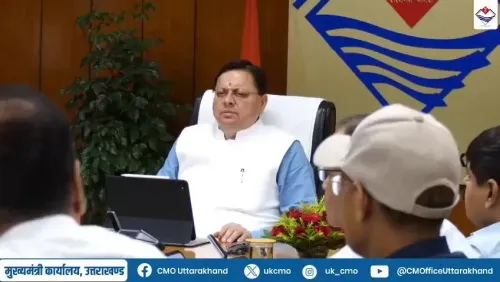
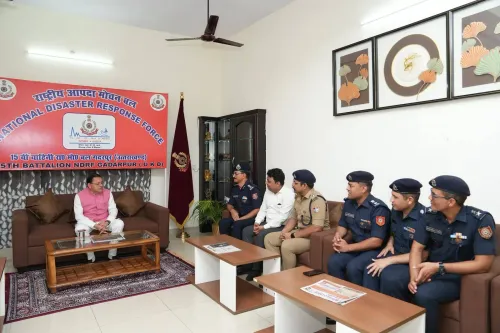
When the mountains give way — and in Uttarakhand, they often do — what reaches the survivors first is not just rescue teams but a government cheque sized by rules set far away in Delhi. Those rules just got better. Chief Minister Pushkar Singh Dhami on Thursday, November 12, 2026, publicly thanked Prime Minister Narendra Modi and Union Home Minister Amit Shah after the central government raised the standards of disaster relief assistance available to families hit by natural calamities in the state.
What the Revised Norms Mean for Uttarakhand's Disaster-Hit Families
The revision concerns the scales of assistance disbursed under the State Disaster Response Fund (SDRF) and the National Disaster Response Fund (NDRF) — the twin financial pillars that states draw on when floods, landslides, or cloudbursts tear through communities. The Union Ministry of Home Affairs, which oversees disaster management under the Disaster Management Act, periodically updates these norms to reflect inflation and evolving relief requirements. The latest revision means affected families can now access higher compensation for loss of life, damaged homes, and destroyed crops.
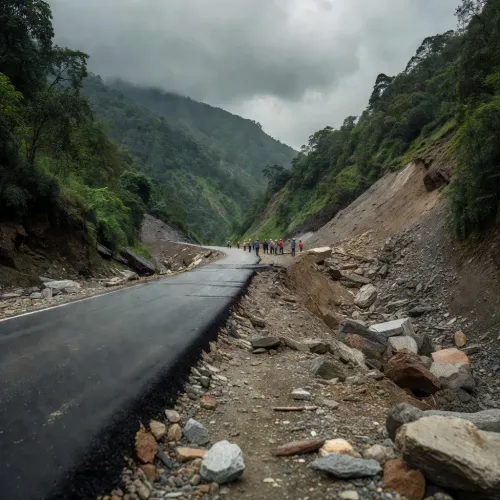
For Uttarakhand, a Himalayan state that endures some of the country's most punishing weather events every monsoon season, the upgrade is not abstract policy — it is a direct lifeline. The state's hilly terrain makes it uniquely vulnerable to cloudbursts, glacial lake outburst floods, and mass landslides, each of which routinely displaces thousands of families across its 13 districts.
Centre-State Coordination at the Heart of Dhami's Gratitude
CM Dhami's public acknowledgement of both PM Modi and Home Minister Shah underscores a deliberate political and administrative signal: that Uttarakhand's ability to respond to recurring disasters depends critically on centre-state alignment. The Home Ministry directly controls NDRF allocations and sets the benchmark norms that state governments implement on the ground, making Amit Shah's portfolio central to any revision of this kind.
The Chief Minister's Office posted the message in Hindi — 'Aapda rahat sahayata maanakon mein vriddhi' (increase in disaster relief assistance standards) — framing the revision as a consequential moment for the state's most vulnerable residents. With funds now benchmarked higher, state officials will be expected to issue fresh orders detailing how and when the revised rates reach disaster-affected households.
Why Timely Revision Matters in a High-Risk State
Uttarakhand has been battered by repeated disaster cycles since at least the catastrophic 2013 Kedarnath floods, which killed thousands and rewrote how the state approaches disaster preparedness. Each subsequent monsoon season tests those lessons. When assistance norms lag inflation — as they tend to between revision cycles — the real value of relief erodes, leaving families with payouts that no longer cover the cost of rebuilding a wall, let alone a home.
The current revision breaks that erosion. How fast the new rates reach the ground — through state government orders, district collector offices, and finally into the hands of survivors — will be the real measure of its impact.
For a state that has learned to live in the shadow of the next disaster, a revised cheque is only the beginning. The mountains will not wait for the paperwork.
Point of View
Visibly crediting New Delhi for a decision that will be felt at the village level. The broader pattern here is deliberate: periodic upward revisions keep the relief framework credible without structural reform, and state governments remain dependent on central goodwill for each cycle. Whether the revised norms translate into faster, fuller payouts for the most marginalised disaster-hit households — or remain on paper while bureaucratic delays persist — will be the real test of this announcement's worth.
NationPress
12 Nov 2026
Frequently Asked Questions
What are SDRF and NDRF disaster relief norms?
The State Disaster Response Fund (SDRF) and National Disaster Response Fund (NDRF) are government financial frameworks that set the amounts provided to families affected by natural disasters such as floods, landslides, and cyclones. The central government periodically revises these amounts upward to account for inflation and changing needs.
Why did CM Dhami thank PM Modi and Amit Shah for disaster relief norms?
The Union Ministry of Home Affairs, headed by Amit Shah, is responsible for approving revisions to disaster relief assistance norms under NDRF and SDRF. CM Dhami thanked PM Modi and Amit Shah because the Centre's decision directly benefits disaster-hit families in Uttarakhand by increasing the compensation available to them.
How often does the central government revise disaster relief assistance standards?
The central government revises SDRF and NDRF assistance norms periodically — typically every few years — to adjust for inflation and to update the categories and amounts of relief provided to affected populations. There is no fixed mandatory schedule.
Which disasters most affect Uttarakhand?
Uttarakhand is primarily affected by floods, cloudbursts, landslides, and glacial lake outburst floods due to its Himalayan terrain. The state has faced severe disaster cycles since at least the 2013 Kedarnath floods and experiences fresh disasters almost every monsoon season.
Who gets the disaster relief money under SDRF and NDRF?
Disaster relief under SDRF and NDRF is disbursed to families that have suffered loss of life, injury, destruction of homes, or damage to crops and livestock due to notified natural calamities. District authorities identify beneficiaries and channel the funds to them.