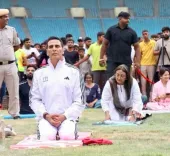
CM Dhami Urges Uttarakhand Youth to Adopt Yoga Daily
Synopsis
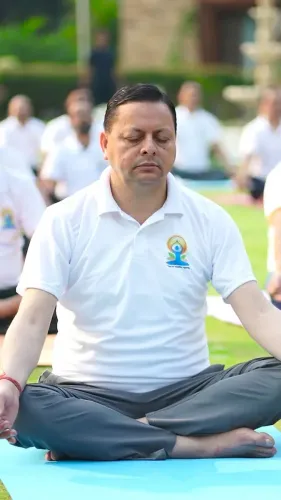
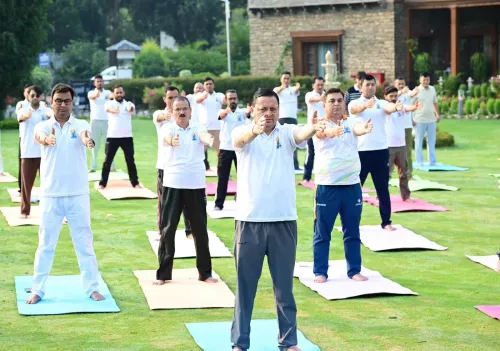
On International Yoga Day 2026, Uttarakhand Chief Minister Pushkar Singh Dhami urged youth to make yoga a daily habit — not just a 21 June observance — and to reject substance abuse in favour of a disciplined, positive lifestyle.
Key Takeaways
CM Pushkar Singh Dhami issued the appeal on 21 June 2026 , International Yoga Day, via the official Chief Minister's Office account.
He urged citizens — especially youth — to practise yoga daily, not only on 21 June .
The message explicitly called on youth to stay away from substance abuse and adopt a healthy, disciplined lifestyle.
International Yoga Day has been observed globally since 2015 , following India's proposal at the UN General Assembly in 2014 .
Uttarakhand , home to Rishikesh , holds a central place in India's yoga promotion strategy and wellness tourism policy.
The appeal connects to broader national efforts on community-level behavioural change and youth health.
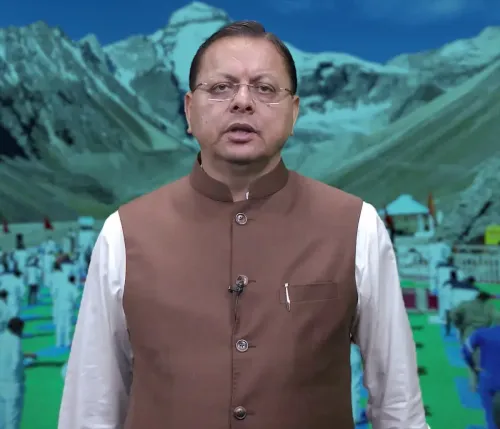
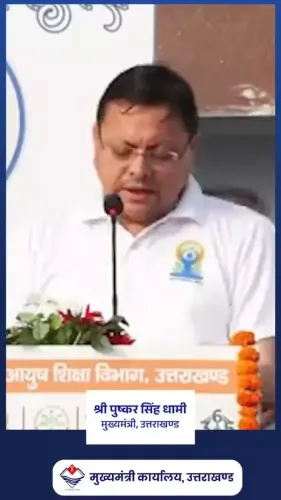
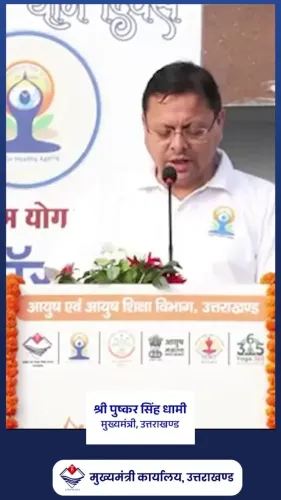
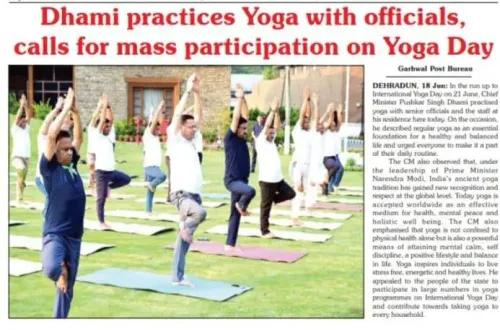
The Chief Minister's Office of Uttarakhand, on behalf of Chief Minister Pushkar Singh Dhami, on Sunday, 21 June 2026, issued a call to the state's youth to embrace yoga as a year-round daily practice and to shun substance abuse as part of building a stronger, more disciplined society — marking the occasion of International Yoga Day.
Context
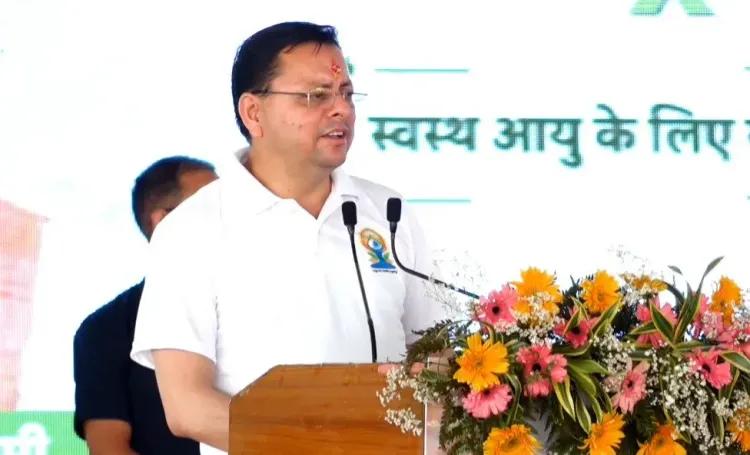
Speaking on the occasion, CM Dhami said: 'Yog ko keval 21 June tak seemit na rakhein' ('Do not limit yoga to only 21 June') — urging citizens, particularly young people, to make it an inseparable part of daily life. He also called on youth to stay away from nashe jaisi buri pravrittiyon ('vices such as addiction') and adopt a healthy, disciplined, and positive lifestyle. The appeal was framed as a contribution toward building an sashakt aur viksit samaj — 'an empowered and developed society.'
Policy Backdrop
International Yoga Day has been observed globally on 21 June every year since 2015, following a resolution proposed by India at the UN General Assembly in 2014. The Ministry of AYUSH has since driven national yoga promotion programmes, integrating yoga into school curricula and public health outreach across states. Uttarakhand, home to Rishikesh — widely regarded as the world capital of yoga — holds particular significance in this national push, with the state government consistently positioning wellness and yoga as pillars of both public health and tourism policy.
Stakeholders and Impact
The primary audience of CM Dhami's message is the youth of Uttarakhand, a demographic the state government has repeatedly identified as central to its vision of a productive and healthy society. The dual emphasis — on yoga adoption and substance-abuse avoidance — reflects a broader national pattern of using high-visibility wellness occasions to advance community-level behavioural change. Himalayan states like Uttarakhand have particular reason to anchor this messaging in local identity, given the state's deep cultural and spiritual ties to yogic traditions.
The anti-addiction dimension of the appeal also connects to ongoing national efforts to address substance abuse, particularly among young people in hill states, where accessibility and social pressures have been documented concerns.
What's Next
Observers will watch for follow-through in the form of new state-level yoga or de-addiction modules rolled out in Uttarakhand schools and panchayats in the months following June 2026. Any reference to wellness or behavioural health in the next state budget or health policy update would signal whether this International Yoga Day message translates into programmatic action. For now, the statement reinforces Uttarakhand's identity as a state that treats yoga not merely as cultural heritage but as an active instrument of public health governance.
Point of View
Targeting a youth demographic that state governments across the Himalayas have flagged as vulnerable to substance abuse. This dual framing also positions the Chief Minister as a proactive voice on social discipline, consistent with the BJP's broader emphasis on lifestyle reform as a component of development. Whether the rhetoric is followed by measurable programmatic investment will determine its lasting policy weight.
NationPress
21 Jun 2026
Frequently Asked Questions
Why does India celebrate International Yoga Day on 21 June?
India proposed International Yoga Day at the UN General Assembly in 2014, and the UN designated 21 June as the annual date of observance starting from 2015. The date coincides with the summer solstice, which holds significance in many cultural traditions.
What did Uttarakhand CM Pushkar Singh Dhami say on Yoga Day 2026?
CM Dhami urged citizens, especially youth, not to limit yoga to 21 June but to make it a daily practice. He also called on young people to avoid substance abuse and adopt a healthy, disciplined, and positive lifestyle to contribute to building a stronger society.
What is Uttarakhand's connection to yoga?
Uttarakhand is home to Rishikesh, widely regarded as the world capital of yoga. The state has deep cultural and spiritual roots in yogic traditions and has actively promoted yoga and wellness as part of its tourism and public health strategy.
What is the Ministry of AYUSH's role in yoga promotion in India?
The Ministry of AYUSH has run national yoga promotion programmes since 2014, including integrating yoga into school curricula and conducting public health outreach across states, particularly around International Yoga Day each year.
How does the anti-addiction message relate to Yoga Day?
CM Dhami linked yoga's emphasis on discipline and healthy living directly to the rejection of substance abuse, framing both as complementary pillars of personal and social well-being — a connection that reflects national efforts to use wellness occasions for community-level behavioural change.