CM Dhami: Uttarakhand per capita income up 41%, budget tops ₹1 lakh cr
Synopsis
Chief Minister Pushkar Singh Dhami has stated that Uttarakhand's per capita income has grown by 41 per cent and the state's annual budget has surpassed ₹1 lakh crore, marking what the government calls a landmark in the hill state's economic trajectory.
Key Takeaways
CM Pushkar Singh Dhami announced a 41 per cent rise in Uttarakhand's per capita income, as quoted by the official Chief Minister's Office on 16 July 2026 .
The state's annual budget has crossed the ₹1 lakh crore mark, a symbolic fiscal milestone for the 26-year-old hill state .
Uttarakhand's economy is anchored in tourism, hydropower, and agriculture , with successive governments pursuing policies to raise living standards.
Indian Himalayan states have broadly benefited from higher central tax devolution and post-pandemic recovery spending through the 2020s .
Detailed verification of the figures is expected through the forthcoming state economic survey and audited budget documents.
The fiscal narrative is likely to play a central role in the state government's investment outreach and political messaging going forward.
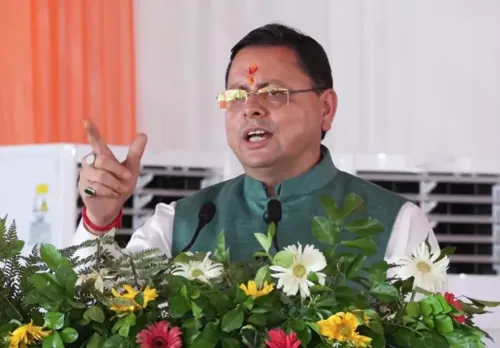
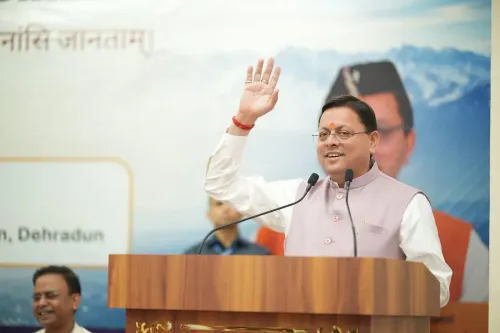
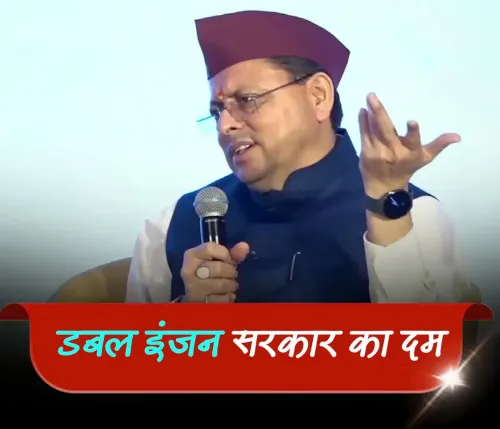
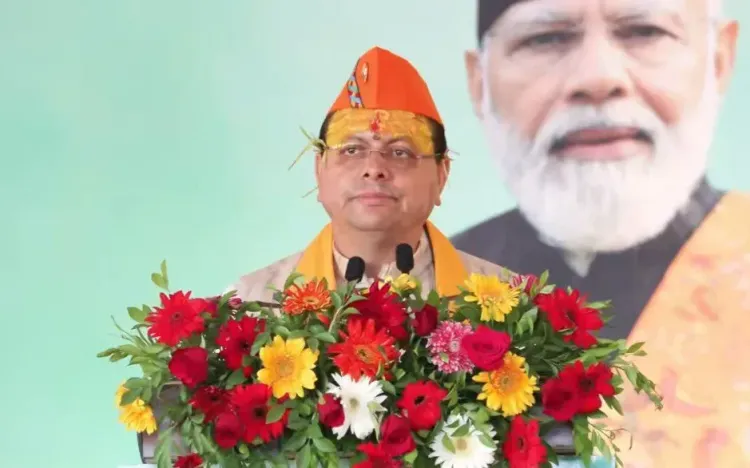
The Chief Minister's Office of Uttarakhand on Thursday, 16 July 2026 quoted Chief Minister Pushkar Singh Dhami as stating that the state's per capita income has risen by 41 per cent and that the annual budget has crossed the ₹1 lakh crore mark, signalling what the government describes as a significant fiscal milestone for the hill state.
Context
Speaking in remarks shared by the official CMO handle, CM Dhami said: 'Hamare Pradesh ke nagarikon ki prati vyakti aay mein 41 pratishat ki vriddhi hui hai. Rajya ka budget ek lakh crore rupaye se upar chala gaya hai.' ('The per capita income of the citizens of our state has increased by 41 per cent. The state's budget has crossed one lakh crore rupees.') The statement underscores the Dhami administration's focus on presenting economic growth as a core achievement of its tenure.
Uttarakhand, a Himalayan state carved out of Uttar Pradesh in November 2000, has historically relied on tourism, hydropower, and agriculture as its primary economic drivers. Successive state governments have pursued industrial and tourism policies aimed at lifting per capita income closer to and eventually above the national average.
Policy Backdrop
Since its formation, Uttarakhand has steadily expanded its fiscal envelope, benefiting from increased central tax devolution under successive Finance Commission awards and higher capital expenditure allocations from the Union government. Indian states across the board recorded notable budget expansions through the 2020s as part of post-pandemic economic recovery, and Himalayan states in particular have linked fiscal growth to infrastructure development and sustainable tourism.
The crossing of the ₹1 lakh crore budget threshold is a symbolic marker for a relatively young state, reflecting both enhanced revenue receipts and larger capital outlay commitments. A higher per capita income figure, if sustained, would indicate that economic gains are being distributed across the state's population of roughly 1.1 crore residents.
Stakeholders and Impact
The figures cited by CM Dhami have direct implications for Uttarakhand's residents and taxpayers, as per capita income is a standard measure of average economic well-being. A 41 per cent rise, if borne out by official data, would represent one of the sharper upward movements among hill states in recent years.
For the state government, a budget exceeding ₹1 lakh crore expands headroom for spending on roads, schools, health infrastructure, and disaster-resilience projects — all critical for a state prone to Himalayan geological and weather hazards. Businesses and investors eyeing the state's industrial corridors and tourism sector will also watch whether the fiscal expansion translates into on-ground project execution.
What's Next
Analysts and opposition parties are expected to seek the detailed state economic survey and audited budget documents to verify the per capita income and expenditure claims. The next annual budget presentation will be a key moment to assess whether the growth trajectory is sustained or whether revised figures alter the picture.
With Uttarakhand positioning itself as a destination for investment, spiritual tourism, and green energy, the government's narrative of fiscal strength is likely to feature prominently in both policy communications and electoral messaging in the period ahead.
Point of View
Particularly ahead of electoral cycles. The 41 per cent per capita income claim is a striking number that, if validated by official data, would place Uttarakhand among the faster-growing hill economies in India. However, the absence of a base year or reference period in the statement leaves the figure open to scrutiny — a gap opposition parties and independent economists are likely to press on. The broader context of higher central devolution and post-pandemic recovery means some of this growth reflects national tailwinds as much as state-level policy choices.
NationPress
16 Jul 2026
Frequently Asked Questions
What did CM Dhami say about Uttarakhand's per capita income?
CM Pushkar Singh Dhami stated that Uttarakhand's per capita income has increased by 41 per cent, as quoted by the official Chief Minister's Office on 16 July 2026. He did not specify the base year for this comparison in the statement.
Has Uttarakhand's budget really crossed ₹1 lakh crore?
According to CM Dhami's statement shared by the official CMO account on 16 July 2026, the state's annual budget has crossed ₹1 lakh crore. Independent verification will depend on official budget documents and the state economic survey.
What is Uttarakhand's main source of revenue?
Uttarakhand's economy is primarily driven by tourism, hydropower, and agriculture. The state also receives significant central tax devolution and grants under successive Finance Commission awards.
Who is Pushkar Singh Dhami?
Pushkar Singh Dhami is the Chief Minister of Uttarakhand from the Bharatiya Janata Party, having been in office since July 2021. He represents the Khatima constituency and is the youngest Chief Minister in the state's history.
Why is the ₹1 lakh crore budget significant for Uttarakhand?
Crossing the ₹1 lakh crore budget mark is a symbolic fiscal milestone for Uttarakhand, a state formed only in 2000. It signals expanded capacity for capital spending on infrastructure, health, education, and disaster resilience in a geographically challenging Himalayan region.