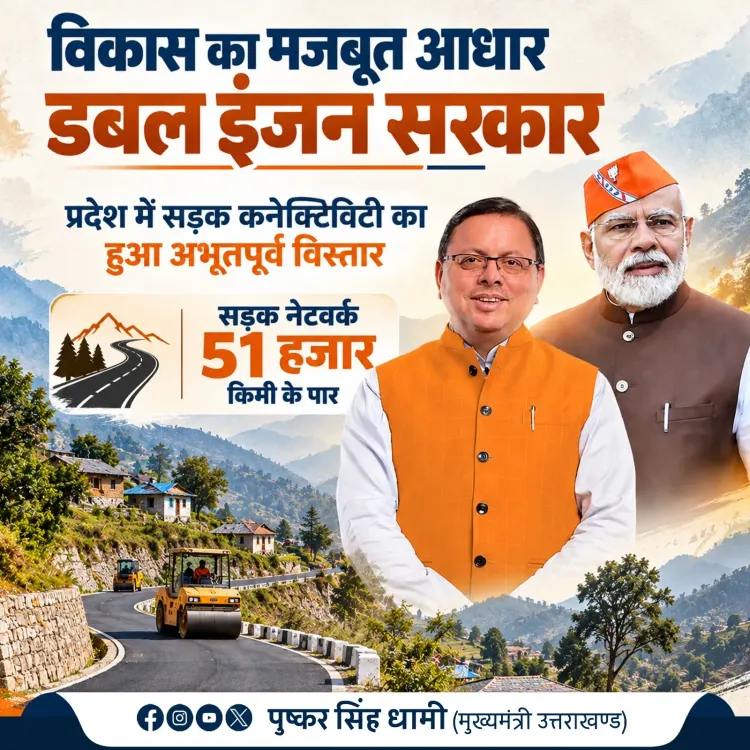
CM Dhami: Uttarakhand road network crosses 51,000 km
Synopsis
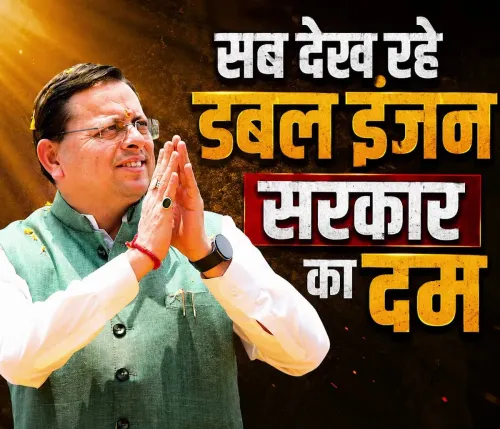
Uttarakhand CM Pushkar Singh Dhami announced the state's road network has crossed 51,000 km, crediting PM Modi's guidance and central schemes like Bharatmala and the Char Dham project for the expansion in the Himalayan state.
Key Takeaways
Uttarakhand's road network has surpassed 51,000 kilometres , according to CM Pushkar Singh Dhami's announcement on 30 September 2026 .
CM Dhami attributed the expansion to PM Narendra Modi's leadership and the 'double engine government' model of coordinated central-state BJP rule.
The Bharatmala Pariyojana (launched 2015 ) and the Char Dham all-weather road project (announced 2016 ) form the key policy backbone behind the connectivity push.
Better roads directly benefit pilgrims, tourists, local businesses , and strategic access to border districts with China and Nepal.
The PM Gati Shakti framework adds an integrated transport layer, linking road expansion to rail and logistics planning across the state.
A mountain state notorious for terrain that swallows roads and isolates villages has quietly crossed a landmark: Uttarakhand Chief Minister Pushkar Singh Dhami announced on Wednesday, 30 September 2026 that the state's road network has surpassed 51,000 kilometres — a figure he attributes to the coordinated push of what his party calls the 'double engine government.'
What 51,000 km actually means for a Himalayan state
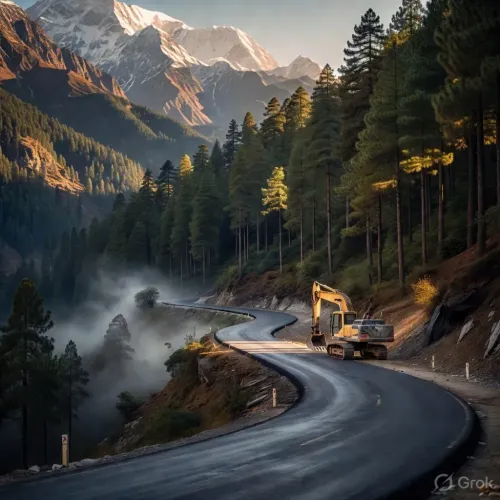
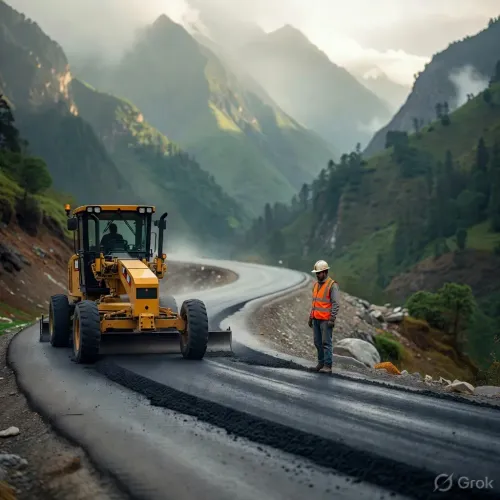
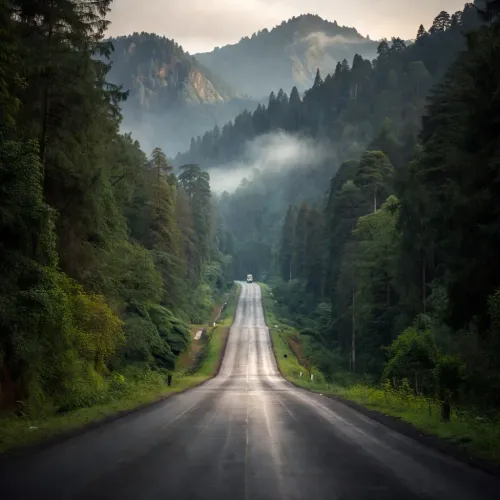
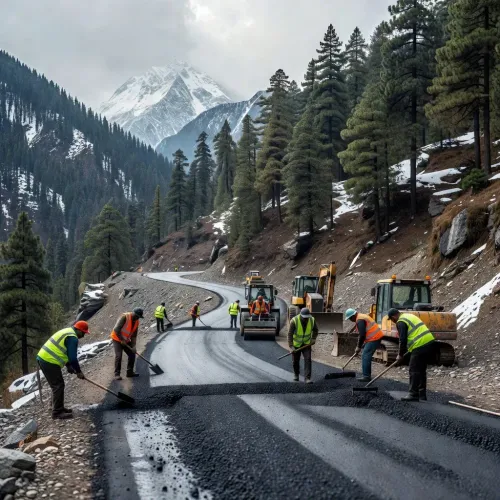
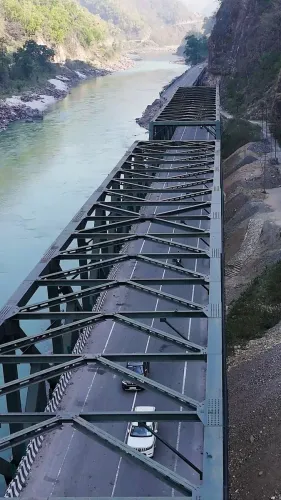
Uttarakhand is not flat country. Roads here must negotiate river gorges, avalanche corridors, and altitudes that make construction punishing and maintenance perpetual. Every kilometre of asphalt in the high Himalayas costs multiples of what it does on the plains — which makes the scale of expansion CM Dhami is pointing to genuinely significant, not just a bureaucratic milestone.
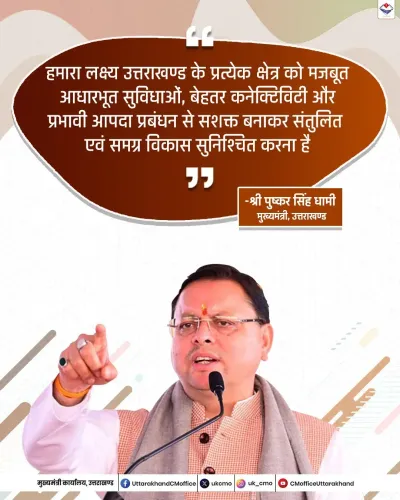
In his post, Dhami credited Prime Minister Narendra Modi's guidance and the synergy between the central and state governments: 'behtar sadkein, sugam aavagaman aur majboot connectivity' — 'better roads, easier movement and stronger connectivity' — are, he said, giving fresh momentum to the resolve of a 'developed Uttarakhand.'
Bharatmala, Char Dham, and the policy scaffolding behind the numbers
The expansion did not happen in isolation. The Bharatmala Pariyojana, launched in 2015, placed a deliberate emphasis on national highways and state roads in hilly and border regions, with Uttarakhand among its priority zones. The Char Dham all-weather road project, announced in 2016, targeted the four major pilgrimage sites — Badrinath, Kedarnath, Gangotri, and Yamunotri — with upgraded, weather-resilient corridors that had previously been cut off for months every winter.
Together, these schemes created a funding and approval pipeline that the state government has drawn on steadily. The broader PM Gati Shakti framework for integrated transport networks has since added another layer of coordination, linking road projects to rail, logistics, and border infrastructure planning.
Who gains when the roads reach further
The beneficiaries are layered. Pilgrims and tourists — Uttarakhand's largest economic constituency — gain access to destinations that were once seasonal or genuinely dangerous. Local businesses and farmers in remote valleys get supply chains that were previously unreliable. And strategically, roads to the China and Nepal border districts carry a security dimension that central planners have never been shy about acknowledging.
The 'double engine' framing — simultaneous BJP rule at the centre and state — is a political argument as much as an administrative one, but its practical effect has been faster project clearances and direct central funding flows that states with different ruling parties have sometimes struggled to access at the same pace.
For a state whose geography has always been its biggest obstacle, 51,000 kilometres of road is not just an infrastructure number — it is the measure of how much of Uttarakhand is finally reachable.
Point of View
000 km figure, placed against Uttarakhand's notoriously difficult terrain, is designed to make the scale of change feel tangible rather than statistical. It also arrives at a moment when the Char Dham corridor and Bharatmala projects are approaching visible completion phases, giving the claim an on-ground anchor. For the BJP, Uttarakhand's connectivity story is increasingly a template it wants to replicate — and advertise — across other Himalayan and border states.
NationPress
30 Sept 2026
Frequently Asked Questions
How long is Uttarakhand's total road network in 2026?
CM Pushkar Singh Dhami announced that Uttarakhand's road network has crossed 51,000 kilometres as of September 2026 , citing central and state government infrastructure efforts.
What is the Char Dham all-weather road project?
The Char Dham all-weather road project , announced in 2016 , aims to upgrade road connectivity to Uttarakhand's four major pilgrimage sites — Badrinath, Kedarnath, Gangotri, and Yamunotri — making them accessible throughout the year.
What is the 'double engine government' in Uttarakhand?
'Double engine government' is a BJP term describing simultaneous BJP rule at both the central and state levels, which the party argues enables faster project approvals, coordinated funding, and smoother execution of infrastructure schemes.
What is Bharatmala Pariyojana and how does it affect Uttarakhand?
Bharatmala Pariyojana , launched in 2015 , is a central government highway development programme that prioritises hilly and border regions. Uttarakhand is among its focus states, receiving funding for national and state highway upgrades.
Why is road connectivity important for Uttarakhand?
Uttarakhand's mountainous terrain makes road access critical for pilgrimage tourism (its largest economic driver), local supply chains , and strategic border access near China and Nepal — all of which depend on reliable, all-weather connectivity.