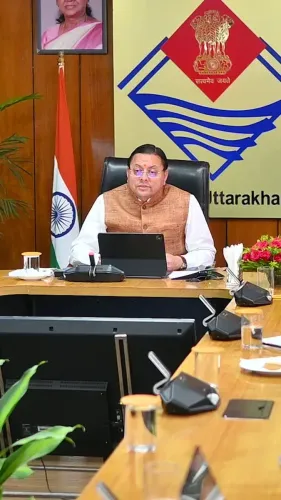
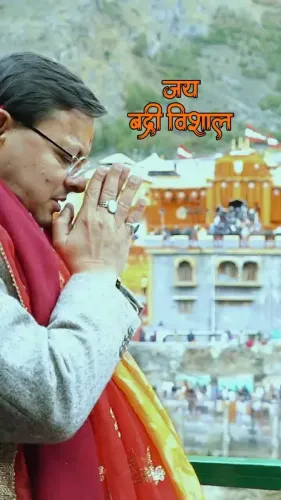
CM Dhami Pledges Safe, Smooth Chardham & Hemkund Sahib Yatra
Synopsis
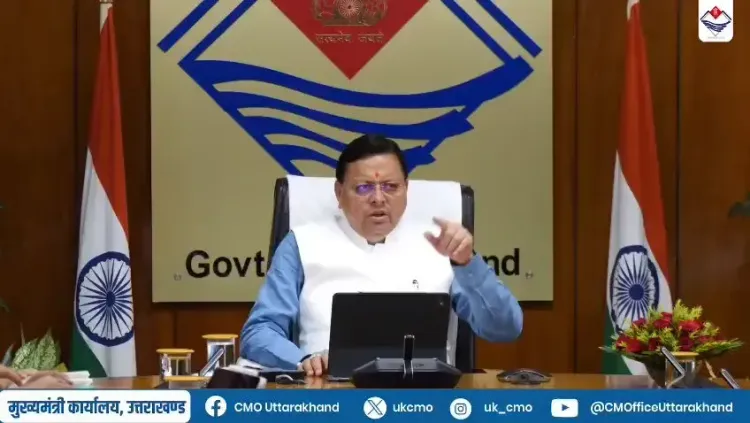
The Uttarakhand government, led by Chief Minister Pushkar Singh Dhami, has reaffirmed its commitment to ensuring a safe, well-organised, and pleasant Chardham Yatra and Hemkund Sahib pilgrimage season, as per an official statement from the Chief Minister's Office on 19 June 2026.
Key Takeaways
The Chief Minister's Office of Uttarakhand issued a formal commitment on 19 June 2026 to making the Chardham and Hemkund Sahib pilgrimages safe and well-organised.
CM Pushkar Singh Dhami is identified as the driving force behind the state's yatra management efforts this season.
The Chardham Yatra covers four shrines — Yamunotri, Gangotri, Kedarnath , and Badrinath — in the Uttarakhand Himalayas.
Hemkund Sahib , located in Chamoli district at high altitude, is a key Sikh pilgrimage site open only in summer months.
Policy backing includes the central government's Char Dham All Weather Road project (2016) and the PRASAD scheme (2014-15) for pilgrim infrastructure.
Stakeholders including pilgrims, local communities in Chamoli , and tour operators stand to benefit from improved safety and logistics protocols.
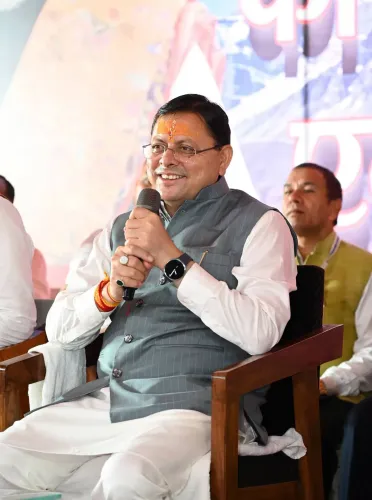
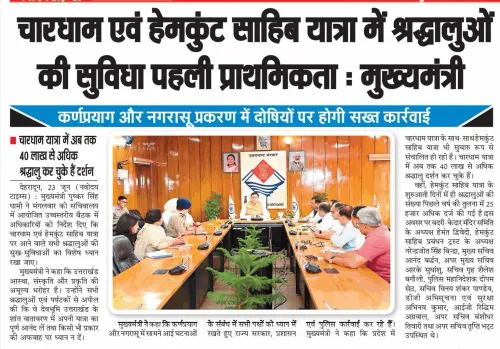
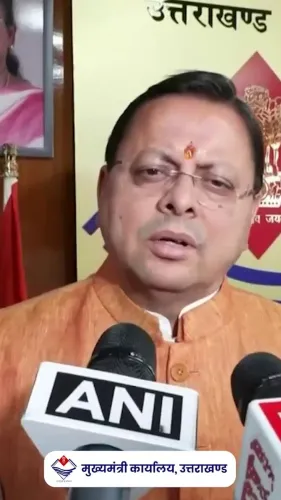
The Chief Minister's Office of Uttarakhand reaffirmed on Friday, 19 June 2026 that the state government, under the leadership of Chief Minister Pushkar Singh Dhami, is committed to making the Chardham Yatra and Hemkund Sahib pilgrimage safe, well-organised, and pleasant for all devotees.
The official post stated, 'मुख्यमंत्री श्री पुष्कर सिंह धामी के नेतृत्व में उत्तराखण्ड सरकार चारधाम और हेमकुंट साहिब यात्रा को सुरक्षित, सुव्यवस्थित और सुखद बनाने के लिए प्रतिबद्ध' — translated: 'Under the leadership of Chief Minister Shri Pushkar Singh Dhami, the Uttarakhand government is committed to making the Chardham and Hemkund Sahib Yatra safe, well-organised, and pleasant.'
Context
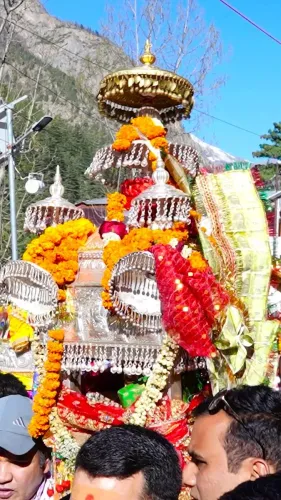
The Chardham Yatra is one of India's most significant annual Hindu pilgrimages, covering the four high-altitude shrines of Yamunotri, Gangotri, Kedarnath, and Badrinath in the Uttarakhand Himalayas. The Hemkund Sahib Gurudwara, situated in Chamoli district, is a revered Sikh pilgrimage site accessible only during the summer months when snow recedes from its high-altitude approaches. Both routes draw hundreds of thousands of pilgrims each season, placing enormous logistical and safety demands on the state administration.
Policy Backdrop
Pilgrim safety and infrastructure development in Uttarakhand have been central policy priorities for successive state and central governments. The Char Dham All Weather Road project, approved by the central government in 2016, aims to provide year-round motorable access to all four shrines, reducing weather-related disruptions. The central government's PRASAD scheme, launched in 2014-15, has channelled funds toward upgrading amenities and crowd-management infrastructure at major pilgrimage destinations across Uttarakhand.
Uttarakhand has historically faced acute pilgrim safety challenges including flash floods, landslides, and overcrowding — risks that are especially pronounced in the ecologically sensitive Garhwal Himalayan belt. State administrations have responded with annual regulatory orders covering mandatory pilgrim registration, vehicle movement caps, and emergency response protocols.
Stakeholders and Impact
The commitment directly affects pilgrims travelling to the four Chardham shrines and Hemkund Sahib, local residents and traders in Chamoli district and other gateway towns, and the broader ecosystem of tour operators, hoteliers, and transporters dependent on the yatra economy. Smooth pilgrimage operations are also critical for Uttarakhand Tourism, the state department tasked with regulating pilgrim flows, transport logistics, and on-ground facilities throughout the season.
For Sikh pilgrims in particular, Hemkund Sahib — situated at an altitude of approximately 4,329 metres — presents distinct logistical challenges, and any administrative commitment to its safe operation carries significance for the community nationwide.
What's Next
Attention will now turn to the release of formal 2026 yatra standard operating procedures, expected to cover pilgrim registration caps, expansions to ropeway and helicopter services, and inter-departmental disaster-preparedness drills ahead of the peak June-July season. CM Dhami's administration has signalled that the state apparatus is mobilised for the pilgrimage season, and stakeholders will watch closely for specific operational orders that translate this commitment into measurable on-ground action. The government's ability to manage pilgrim safety while sustaining the religious tourism economy will be a key test of its Himalayan governance credentials.
Point of View
Where public commitments to pilgrim safety serve both an administrative and a political function ahead of the high-footfall yatra months. For CM Dhami, robust management of the Chardham and Hemkund Sahib circuits is not merely a governance deliverable but a core identity marker, given that religious tourism is central to Uttarakhand's economy and the BJP's political base in the hill state. The statement also arrives against a backdrop of recurring Himalayan disasters that have periodically exposed the gap between official assurances and on-ground preparedness. The real measure of this commitment will lie in the specifics of the 2026 standard operating procedures — registration caps, emergency response deployments, and infrastructure readiness — rather than the declaration itself.
NationPress
19 Sept 2026
Frequently Asked Questions
When does Chardham Yatra 2026 begin and end?
Chardham Yatra 2026 typically opens in late April or May when the shrines' portals are unlocked and runs through November. Specific opening dates for each shrine are announced by the concerned temple committees and the Uttarakhand government each year.
How do I register for Chardham Yatra 2026?
Pilgrims are required to register online through the official Uttarakhand government tourism portal. Registration is mandatory and helps authorities manage pilgrim flow and provide emergency assistance along the route.
Is Hemkund Sahib included in the Chardham Yatra route?
Hemkund Sahib is not part of the four-shrine Chardham circuit but is a separate high-altitude Sikh pilgrimage site in Chamoli district, Uttarakhand. The Uttarakhand government manages safety and logistics for both yatras simultaneously during the summer season.
What safety measures has the Uttarakhand government announced for Chardham Yatra 2026?
The Chief Minister's Office confirmed on 19 June 2026 that the government under CM Pushkar Singh Dhami is committed to making the yatra safe, well-organised, and pleasant. Specific measures including registration caps, vehicle limits, and disaster protocols are expected to be detailed in formal standard operating procedures.
What is the PRASAD scheme and how does it help Chardham pilgrims?
The PRASAD (Pilgrimage Rejuvenation and Spiritual Augmentation Drive) scheme, launched by the central government in 2014-15, funds upgrades to amenities, crowd management infrastructure, and connectivity at major pilgrimage sites including those in Uttarakhand.