CM Dhami Vows to Make Uttarakhand Global Yoga Capital
Synopsis
On International Yoga Day 2026, Chief Minister Pushkar Singh Dhami reaffirmed Uttarakhand's 'unavoidable resolve' to become the global capital of yoga, calling on citizens to adopt yoga daily and inspire others — reinforcing the state's long-running yoga-tourism and cultural-diplomacy strategy.
Key Takeaways
Chief Minister Pushkar Singh Dhami issued the message on 21 June 2026 , International Yoga Day.
The Chief Minister invoked an 'unavoidable resolve' ( vikalp rahit sankalp ) to make Uttarakhand the global capital of yoga.
International Yoga Day was established by a UN General Assembly resolution in December 2014 at India's initiative.
Rishikesh , located in Uttarakhand, is already a globally recognised yoga hub with decades of international outreach.
The state's yoga ambition aligns with the Union government's AYUSH Ministry and its promotion of wellness tourism.
Future state budget allocations for yoga infrastructure will indicate how the government plans to operationalise its pledge.
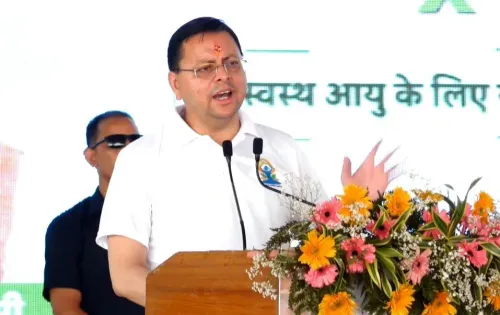
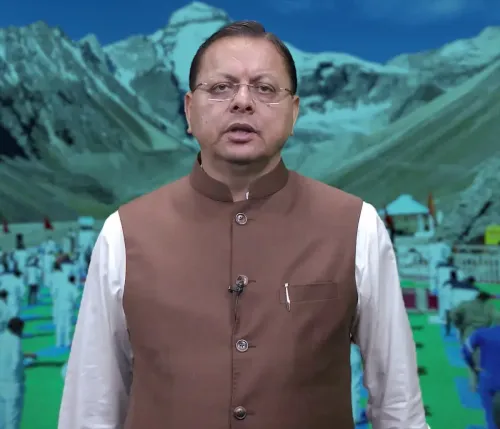
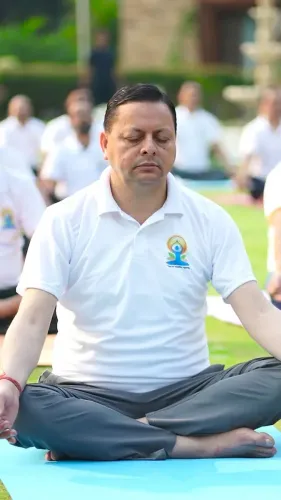
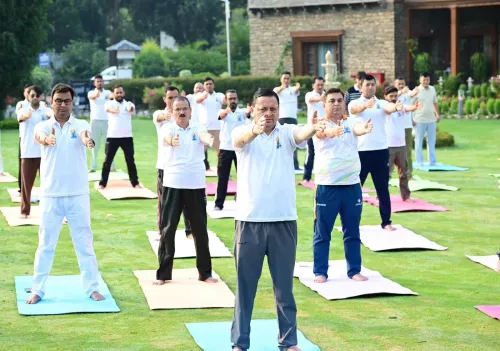
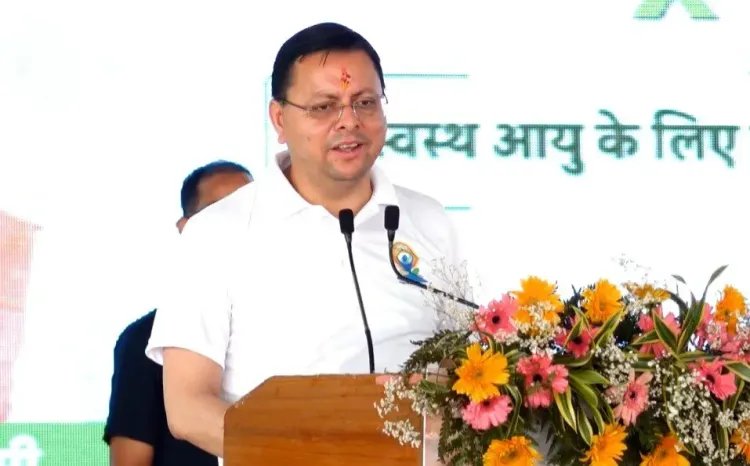
The Chief Minister's Office of Uttarakhand, on behalf of Chief Minister Pushkar Singh Dhami, on Sunday, 21 June 2026 — International Yoga Day — renewed the state government's commitment to establishing Uttarakhand as the world's foremost destination for yoga, calling on citizens to integrate yoga into their daily lives.
Sharing the Chief Minister's message, the official account quoted Dhami as saying: 'vikalp rahit sankalp' — an 'unavoidable resolve' — to realise Uttarakhand's ambition of becoming the global capital of yoga. In his words: 'I have complete faith that all of you will continue to lend your support in realising our unavoidable resolve to make Uttarakhand the global capital of yoga. Let us, on this International Yoga Day, pledge to make yoga a part of our daily lives and to inspire others to do the same.'
Context
International Yoga Day is observed every year on 21 June, following a United Nations General Assembly resolution adopted in December 2014 — resolution 69/131 — which designated the date as the International Day of Yoga at India's proposal. The day has since grown into a global observance, with events held across more than 190 countries. In India, it has become a key occasion for both central and state governments to highlight the country's yoga heritage.
For Uttarakhand, the occasion carries particular weight. The state is home to Rishikesh, widely regarded as a global hub for yoga, hosting hundreds of ashrams, international teacher-training programmes, and the long-running International Yoga Festival that has drawn practitioners from across the world since the late 1990s.
Policy Backdrop
Chief Minister Pushkar Singh Dhami, who has been in office since 2021, has consistently positioned yoga as a pillar of the state's cultural identity and economic strategy. The branding of Uttarakhand as a yoga capital aligns closely with the Union government's AYUSH Ministry, which promotes traditional health systems including yoga, Ayurveda, and naturopathy as part of a broader wellness economy push.
The state's yoga-tourism strategy seeks to diversify its economic base beyond religious pilgrimage — the traditional driver of visitor footfall — by attracting wellness tourists, international retreats, and certification programmes. Rishikesh already functions as the anchor for this vision, drawing tens of thousands of foreign visitors annually for yoga immersion and spiritual study.
Stakeholders and Impact
The message directly addresses yoga practitioners, both within Uttarakhand and across the country, urging personal commitment alongside collective ambition. The tourism industry in the state — particularly operators of ashrams, wellness retreats, and teacher-training centres in Rishikesh and Haridwar — stands to benefit most from sustained government emphasis on yoga branding.
Local communities along the Ganga corridor, where yoga infrastructure is concentrated, also have a direct stake in the policy direction. A stronger 'global yoga capital' identity could translate into sustained visitor numbers, employment in the hospitality sector, and infrastructure investment from both state and central budgets.
What's Next
The government's stated resolve will be tested in upcoming state budget cycles, where allocations for yoga infrastructure, international outreach, and festival programming will signal how firmly the ambition is backed by resources. Observers will also watch for any formal policy announcements — such as a dedicated yoga tourism scheme or bilateral cultural agreements — that could give the 'global capital' aspiration a concrete institutional form. With India's soft-power diplomacy increasingly anchored in wellness and traditional knowledge, Uttarakhand's positioning is likely to remain a recurring theme in both state and national policy conversations.
Point of View
Multi-year effort by Uttarakhand to convert its geographic and cultural advantage — Rishikesh, the Ganga corridor, and a dense network of ashrams — into a durable 'global yoga capital' brand. The phrase 'unavoidable resolve' signals that this is not merely ceremonial rhetoric but a positioning statement intended to differentiate Uttarakhand from other states issuing similar annual messages. The alignment with the AYUSH Ministry's national wellness push gives the state political cover and potential central funding leverage. Whether the ambition translates into measurable policy outcomes will depend on budget allocations and institutional frameworks that go beyond annual day observances.
NationPress
21 Jun 2026
Frequently Asked Questions
Why is 21 June celebrated as International Yoga Day?
The United Nations General Assembly adopted resolution 69/131 in December 2014 , designating 21 June as the International Day of Yoga following a proposal by India . The date was chosen because it is the summer solstice, the longest day of the year in the Northern Hemisphere, which holds significance in many cultures.
What did CM Pushkar Singh Dhami say on Yoga Day 2026?
Chief Minister Pushkar Singh Dhami called on citizens to support Uttarakhand's 'unavoidable resolve' ( vikalp rahit sankalp ) to become the global capital of yoga, and urged everyone to make yoga part of their daily lives and inspire others to do the same.
Why is Uttarakhand called the yoga capital of the world?
Uttarakhand is home to Rishikesh , a city with a centuries-old tradition of yoga and meditation that hosts hundreds of ashrams, international teacher-training courses, and the annual International Yoga Festival . The state government has actively promoted this identity to attract wellness tourism.
What is the AYUSH Ministry's role in promoting yoga in India?
The Union government's AYUSH Ministry promotes traditional Indian health systems including yoga, Ayurveda, and naturopathy. It coordinates national and international events on International Yoga Day and funds wellness infrastructure, aligning with state-level efforts like Uttarakhand's yoga-capital initiative.
How does yoga tourism benefit Uttarakhand's economy?
Yoga tourism brings international and domestic visitors to Rishikesh and Haridwar for retreats, teacher-training programmes, and wellness stays, generating revenue for local hospitality, ashrams, and ancillary services. It also helps diversify the state's economy beyond traditional religious pilgrimage.