CM Dhami Reaffirms Zero-Tolerance Anti-Corruption Drive
Synopsis
Uttarakhand Chief Minister Pushkar Singh Dhami on 24 May 2026 reaffirmed his government's zero-tolerance stance on corruption, vowing strict action against corrupt individuals and placing transparent, accountable governance at the centre of the state's administrative agenda.
Key Takeaways
CM Pushkar Singh Dhami publicly reaffirmed a zero-tolerance anti-corruption policy on 24 May 2026 .
The statement pledges 'strict and continuous action' against individuals found involved in corrupt practices.
Transparent and accountable governance is cited as the administration's 'highest priority.' The stance aligns with the BJP 's national good-governance agenda active since 2014 .
Uttarakhand's state vigilance machinery and legislative assembly sessions are the key institutional forums to watch for follow-through.
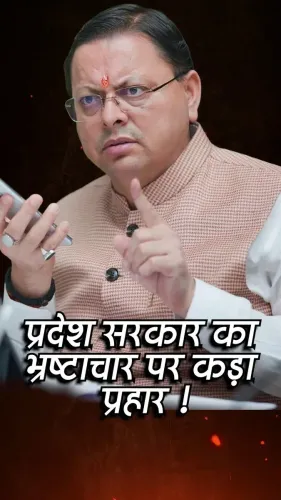
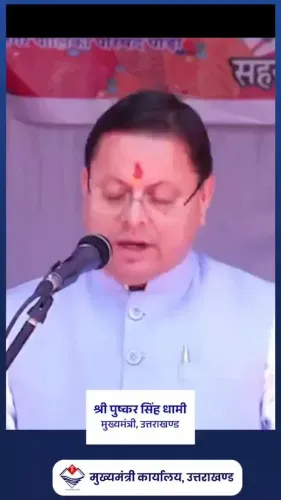
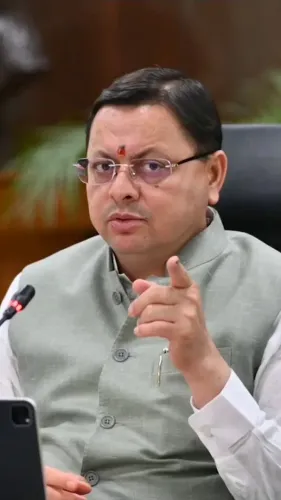
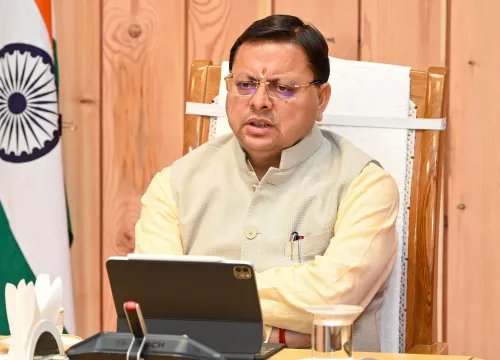
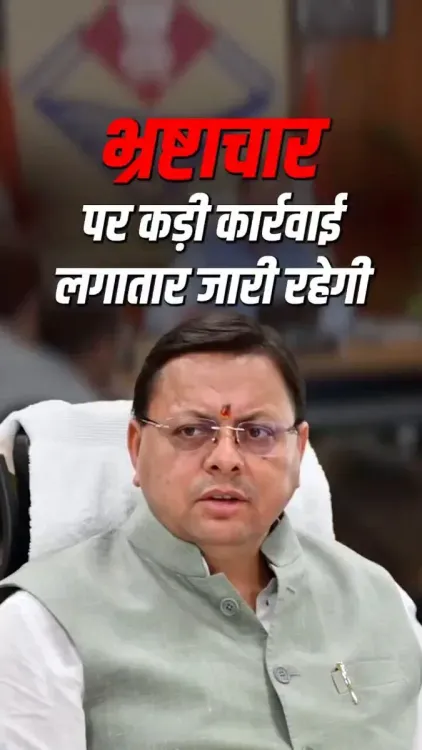
Uttarakhand Chief Minister Pushkar Singh Dhami on Sunday, 24 May 2026, reaffirmed his government's commitment to a zero-tolerance policy on corruption, stating that strict action against those involved in corrupt practices remains the administration's top priority.
Context
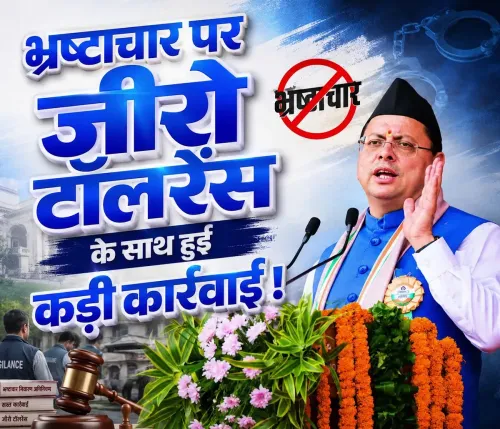
In his post, CM Dhami wrote — translated from Hindi — that 'our government is continuously taking strict action to ensure transparent and accountable governance under a zero-tolerance policy on corruption.' He added that 'the public interest and good governance are being given the highest priority by taking strong steps against individuals involved in corruption.'
The statement, shared in Hindi (भ्रष्टाचार पर जीरो टॉलरेंस की नीति — 'zero-tolerance policy on corruption'), signals an active administrative posture rather than a ceremonial remark, with the Chief Minister directly invoking accountability and transparency as governing principles.
Policy Backdrop
The zero-tolerance anti-corruption stance has been a consistent pillar of Bharatiya Janata Party governance at both the central and state levels since 2014, when the Narendra Modi-led government introduced digital platforms and vigilance mechanisms to curb graft in public administration.
Uttarakhand, governed by the BJP, has aligned its administrative reforms with this broader national agenda. State vigilance departments in BJP-ruled states have periodically conducted clean-up campaigns targeting corrupt officials, often accompanied by public communications of this nature to reinforce accountability messaging.
CM Dhami, who has served as Uttarakhand's Chief Minister since 2021, has positioned transparent governance as a signature commitment of his tenure, making anti-corruption drives a recurring theme in official communications.
Stakeholders and Impact
The primary stakeholders are Uttarakhand's residents and the state's government workforce. For citizens, a credible anti-corruption drive translates into more efficient delivery of public services, welfare scheme benefits, and infrastructure projects.
For government officials, the statement serves as a clear signal that the administration intends to pursue departmental inquiries and vigilance actions without exception. Such declarations, when backed by institutional follow-through, carry significant weight in shaping bureaucratic conduct at the district and block levels.
What's Next
Observers will watch for concrete follow-up actions from Uttarakhand's state vigilance department, including departmental inquiries, suspensions, or prosecutions that substantiate the Chief Minister's stated stance.
Any upcoming session of the Uttarakhand Legislative Assembly may also see discussions on anti-corruption legislation or administrative reform measures that give legislative backing to the executive commitment articulated in this post. The credibility of the zero-tolerance pledge will ultimately be measured by the pace and transparency of such institutional actions.
Point of View
Where state leaders periodically reinforce alignment with the central government's anti-corruption brand. The timing and Hindi-language framing suggest the message is directed as much at a domestic Uttarakhand audience as at the party's national leadership. Without accompanying details of specific cases or legislative action, the statement functions primarily as an accountability benchmark — one that opposition parties and civil society groups in the state will likely cite when scrutinising future vigilance outcomes. The real test will be whether institutional actions in the weeks ahead give the pledge substantive weight.
NationPress
10 Oct 2026
Frequently Asked Questions
What did Uttarakhand CM Dhami say about corruption?
CM Pushkar Singh Dhami stated on 24 May 2026 that his government is continuously taking strict action under a zero-tolerance policy on corruption to ensure transparent and accountable governance in Uttarakhand.
What is Uttarakhand's anti-corruption policy?
Uttarakhand follows a zero-tolerance policy on corruption aligned with the BJP's national governance agenda, empowering the state vigilance department to take strict action against officials involved in corrupt practices.
How long has Pushkar Singh Dhami been Chief Minister of Uttarakhand?
Pushkar Singh Dhami has served as Chief Minister of Uttarakhand since 2021 and is a senior leader of the Bharatiya Janata Party.
What steps is the Uttarakhand government taking against corruption?
According to CM Dhami's statement, the government is taking continuous and strict action against individuals found involved in corruption, prioritising public interest and good governance above all else.
What should we watch for after CM Dhami's anti-corruption statement?
Key indicators to watch include actions by Uttarakhand's state vigilance department such as suspensions or prosecutions, and any anti-corruption legislation that may come up in the Uttarakhand Legislative Assembly.