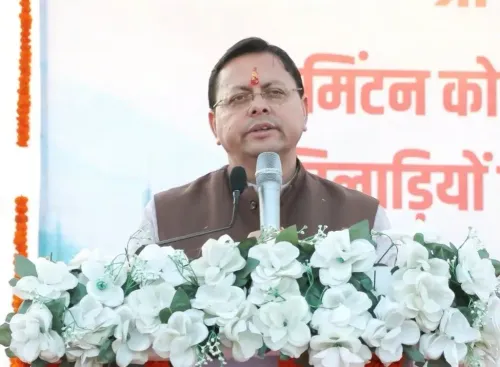
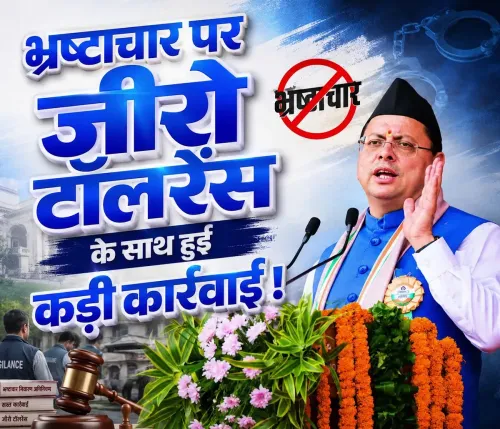
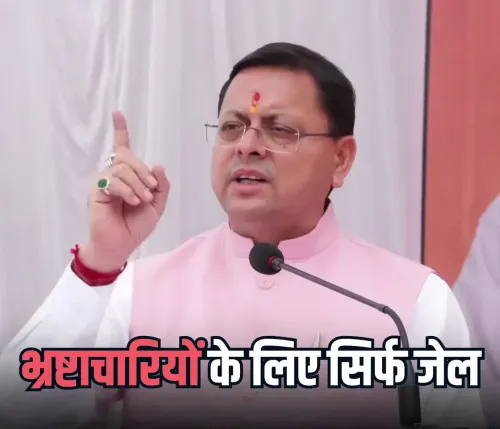
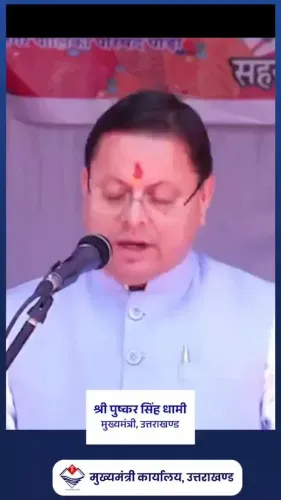
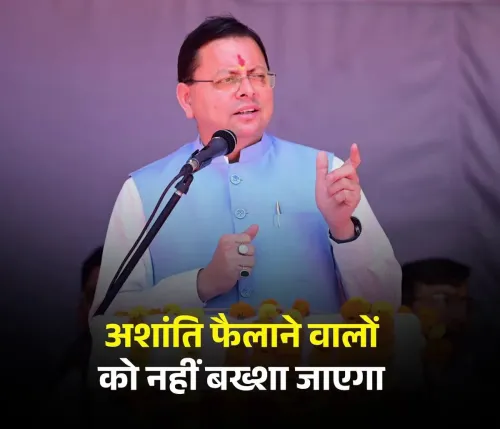
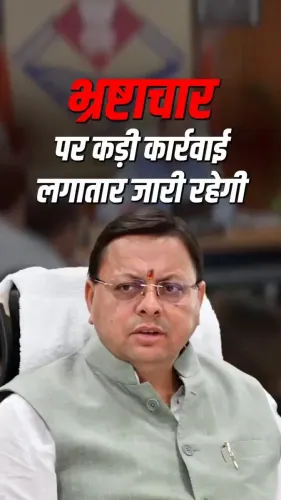
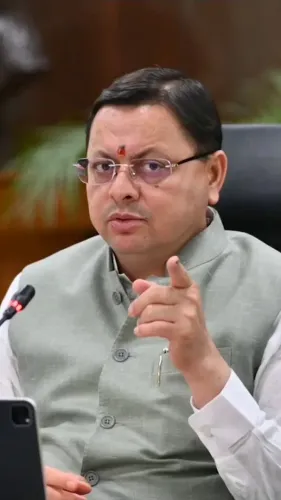
CM Dhami Signals Zero Tolerance on Corruption in Uttarakhand
Synopsis
Uttarakhand Chief Minister Pushkar Singh Dhami on 21 July 2026 declared his government is acting on a zero-tolerance corruption policy, including strict measures against senior officials, and reaffirmed that good governance, transparency, and accountability are the administration's top priorities.
Key Takeaways
CM Pushkar Singh Dhami publicly declared a zero-tolerance policy on corruption on 21 July 2026 .
The statement explicitly includes senior officials as targets of strict government action — not just lower-level functionaries.
Good governance, transparency, and accountability were named as the Dhami government's highest priorities.
The stance aligns with the broader BJP anti-corruption governance narrative active since 2014 at the national level.
Uttarakhand has been under BJP rule since 2017 , with the Dhami administration committing to vigilance reforms after the 2021 elections .
Concrete follow-through may be visible in the Uttarakhand Vigilance Bureau report or during the next state assembly session.
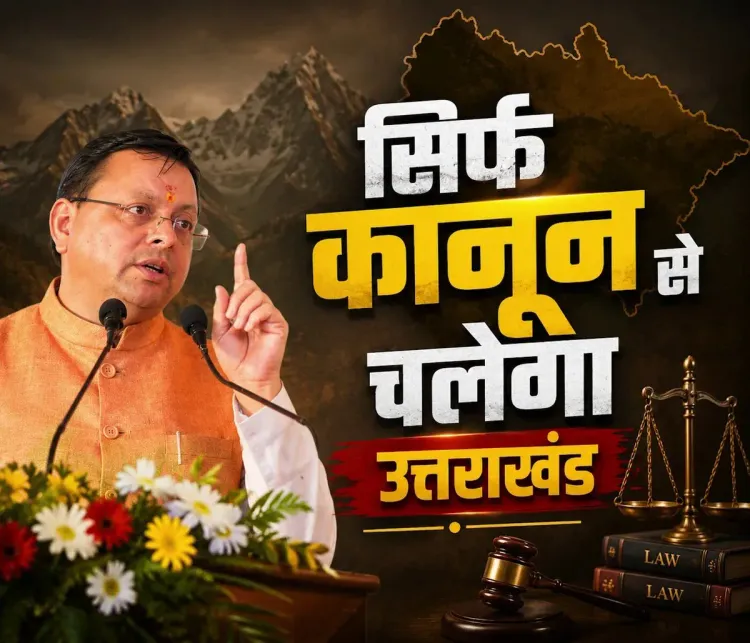
Uttarakhand Chief Minister Pushkar Singh Dhami on Tuesday, 21 July 2026 declared that his government is pursuing a strict zero-tolerance policy on corruption, including taking action against senior officials, and reaffirmed that good governance, transparency, and accountability remain the administration's highest priorities.
Context
Posting on X, CM Dhami wrote in Hindi: 'हमारी सरकार भ्रष्टाचार के प्रति जीरो टॉलरेंस की नीति पर कार्य करते हुए बड़े अधिकारियों पर भी कठोर कार्रवाई कर रही है।' ('Our government, working on a zero-tolerance policy towards corruption, is also taking strict action against senior officials.') He added that ensuring 'good governance, transparency, and accountability' is the government's foremost priority. The statement signals that disciplinary scrutiny extends beyond lower-level functionaries to senior bureaucrats — a pointed emphasis in a state where administrative accountability has been a recurring political theme.
Policy Backdrop
The zero-tolerance framing echoes a governance posture that the Bharatiya Janata Party (BJP) has consistently projected at both the national and state levels since 2014, when the Narendra Modi-led central government foregrounded anti-corruption as a national priority and pursued amendments to the Lokpal Act alongside digital procurement reforms. Uttarakhand, a Himalayan state that has been under BJP rule since 2017, saw the Dhami government after the 2021 assembly elections publicly commit to strengthening the state vigilance machinery and probing alleged irregularities in earlier administrations. Anti-corruption messaging across BJP-governed states — including Uttar Pradesh, Madhya Pradesh, and Gujarat — has frequently been tied to e-governance portals and real-time grievance redressal platforms, positioning disciplinary action as integral to improving ease of doing business and citizen-service delivery.
Stakeholders and Impact
The most immediate audience for this declaration is Uttarakhand's senior bureaucracy, whose conduct is now explicitly placed under the government's stated scrutiny. For ordinary residents of the state — particularly those dependent on public services in areas such as tourism, hydropower administration, and rural infrastructure — the assertion of accountability at the top of the official hierarchy carries direct implications for service quality and redressal of grievances. Civil society groups and opposition parties are likely to watch whether the rhetoric translates into specific, documented departmental or vigilance actions.
What's Next
Observers will look for concrete follow-through in the form of the annual Uttarakhand Vigilance Bureau report or new legislative measures to strengthen the state's anti-corruption framework — both of which could surface during the upcoming winter session of the state assembly. Any formal orders, suspensions, or departmental proceedings against named senior officials would lend weight to the chief minister's declaration and set the tone for governance discourse in the run-up to future electoral cycles in the state.
Point of View
The statement attempts to distinguish the current administration from predecessors and signals internal discipline ahead of any electoral cycle. The emphasis on transparency and accountability also dovetails with the party's national push for e-governance and digitised public service delivery, suggesting this is as much a political positioning exercise as an administrative directive. Whether the assertion produces verifiable outcomes — suspensions, vigilance inquiries, or legislative action — will determine its credibility with Uttarakhand's electorate and civil society.
NationPress
20 Oct 2026
Frequently Asked Questions
What did CM Dhami say about corruption in Uttarakhand?
On 21 July 2026, CM Pushkar Singh Dhami stated that his government is working on a zero-tolerance policy against corruption and is taking strict action even against senior officials, with good governance, transparency, and accountability as top priorities.
Has the Uttarakhand government taken action against senior officials for corruption?
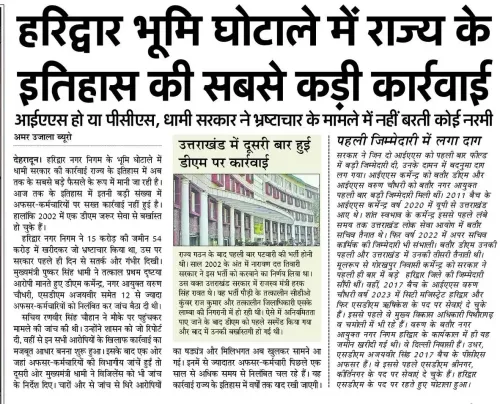
CM Dhami's post asserts that strict action is being taken against senior officials under a zero-tolerance corruption policy, though specific cases or names were not mentioned in the statement.
What is the BJP's anti-corruption policy in Uttarakhand?
The BJP government in Uttarakhand, led by CM Dhami since 2021, has committed to strengthening the state vigilance machinery and conducting inquiries into alleged irregularities, in line with the national BJP stance adopted since 2014.
What does zero tolerance on corruption mean for Uttarakhand bureaucrats?
It means senior government officials are not exempt from disciplinary action; the Dhami administration has signalled that accountability measures apply at all levels of the bureaucracy, not just lower-ranking functionaries.
What should we watch for next on Uttarakhand anti-corruption efforts?
Key developments to watch include the release of the annual Uttarakhand Vigilance Bureau report, any new ordinances strengthening the anti-corruption bureau, and statements during the winter session of the state assembly.