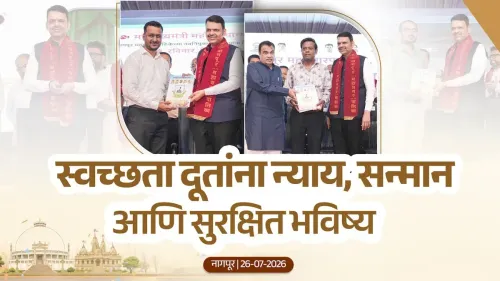
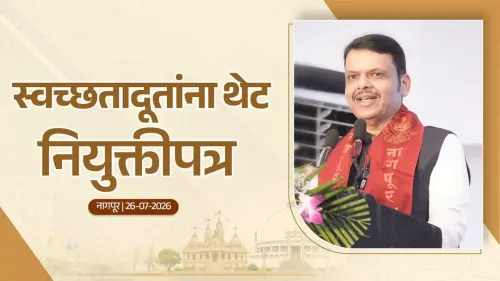
CM Fadnavis approves 17,981 sanitation posts, minimum wages in Nagpur
Synopsis
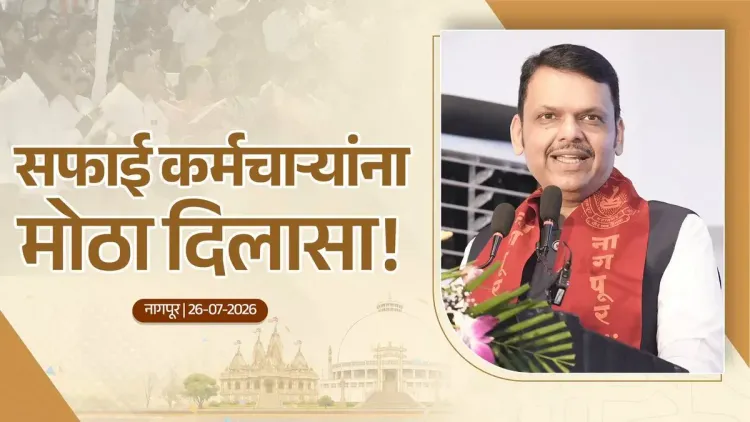
Maharashtra CM Devendra Fadnavis, at a Nagpur ceremony on 26 July 2026, approved 17,981 sanitation posts and guaranteed minimum wages for municipal sanitation workers, while also launching a WhatsApp-based civic ticketing service — combining workforce formalisation with urban digital reform.
Key Takeaways
The Maharashtra state government formally approved 17,981 sanitation posts in the municipal sector at a ceremony in Nagpur on 26 July 2026 .
CM Devendra Fadnavis presided over an appointment-letter distribution event, directly benefiting thousands of sanitation workers.
The government extended minimum wage protections under the Minimum Wages Act, 1948, to the newly regularised sanitation workforce.
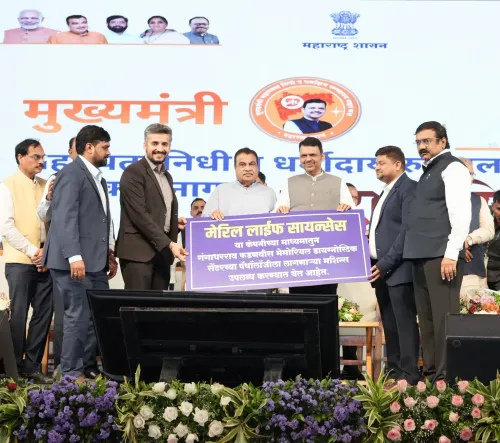
A WhatsApp-based ticketing service for urban civic use was simultaneously launched, signalling digital modernisation of municipal services.
Sanitation workers in urban Maharashtra , long employed informally, gain formal job status and statutory pay entitlements through these approvals.
Expansion of similar approvals and digital services to other districts across Maharashtra remains the key next step to watch.
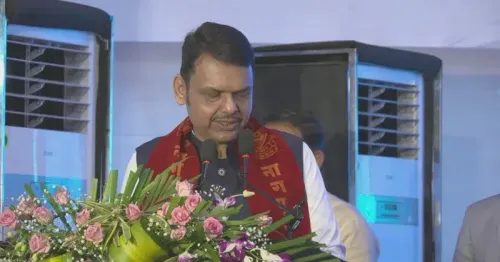
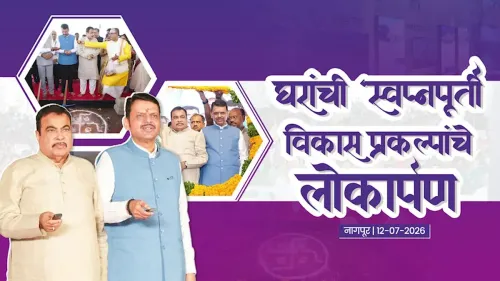
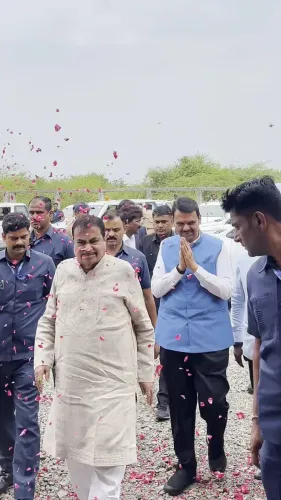
Maharashtra Chief Minister Devendra Fadnavis on Sunday, 26 July 2026, presided over an appointment-letter distribution ceremony in Nagpur, where the state government announced minimum wage guarantees for sanitation workers, thousands of fresh appointments, and formal approval of 17,981 posts in the municipal sanitation sector. The event also marked the public launch of a WhatsApp ticketing service for urban civic use.
Context
Posting on X, CM Fadnavis summarised the announcements in both Marathi and Hindi: 'सफाई कर्मचाऱ्यांना किमान वेतन, हजारो नियुक्त्या आणि 17,981 पदांना मान्यता देत सरकारने मोठा दिलासा दिला' — ('The government has provided major relief by granting minimum wages to sanitation workers, making thousands of appointments, and approving 17,981 posts'). The event, styled as a niyuktipatra vitaran sohala (appointment-letter distribution ceremony), was held in Nagpur, Maharashtra's designated winter capital.
The simultaneous launch of a WhatsApp-based ticketing service signals the state's intent to pair workforce expansion with digital modernisation of urban civic administration. Nagpur, as a major metropolitan centre, serves as a testing ground for such integrated civic reforms under the BJP-led Maharashtra government.
Policy Backdrop
The approvals are rooted in the Minimum Wages Act, 1948, under which state governments periodically revise pay scales for unorganised-sector workers, including sanitation staff employed by urban local bodies. Maharashtra has a history of such periodic revisions, but large-scale simultaneous post approvals of this scale represent a significant administrative step for the sector.
Sanitation workers in urban Maharashtra have long operated under contractual or informal arrangements, leaving them outside the ambit of assured minimum wages and service benefits. Formalising 17,981 posts and issuing appointment letters directly addresses this structural gap, bringing a large cohort of workers into the regulated employment framework of urban local bodies.
Stakeholders and Impact
The primary beneficiaries are sanitation workers — among the most economically vulnerable segments of Maharashtra's urban workforce — who will now be entitled to statutory minimum wages and the job security that comes with formal appointment letters. Urban local bodies across the state, which manage day-to-day sanitation operations, will be required to implement the revised pay structures and absorb the newly approved posts into their workforce rosters.
The WhatsApp ticketing service launched alongside the appointments is aimed at residents and civic users, potentially streamlining complaint registration and service requests in urban areas. Together, the two announcements reflect a dual focus: strengthening the human infrastructure of sanitation and modernising the citizen-facing interface of municipal services.
What's Next
Attention will now shift to the pace and reach of actual recruitment drives and wage disbursal across Maharashtra's municipal corporations and councils. The state government's ability to operationalise all 17,981 approved posts within a defined timeline will be a key measure of follow-through. Civic bodies in districts beyond Nagpur will be watched to see whether similar approvals and digital service launches are extended statewide, or whether this initiative remains concentrated in select urban centres.
Point of View
000 posts in one stroke addresses a structural deficit in urban local bodies while projecting decisive governance. The pairing with a WhatsApp civic service launch is deliberate: it frames the administration as simultaneously pro-worker and pro-technology, broadening its appeal across voter segments. The real test will be whether wage disbursal and recruitment follow at scale, or whether the approvals remain largely on paper.
NationPress
27 Jul 2026
Frequently Asked Questions
How many sanitation posts did the Maharashtra government approve in Nagpur?
The Maharashtra state government approved 17,981 sanitation posts at the appointment-letter distribution ceremony held in Nagpur on 26 July 2026.
What is the WhatsApp ticketing service launched in Nagpur?
A WhatsApp-based ticketing service for urban civic use was launched by the Maharashtra government alongside the sanitation worker appointments in Nagpur, aimed at streamlining citizen service requests and complaints.
Will Maharashtra sanitation workers now get minimum wages?
Yes. The Maharashtra government announced that sanitation workers covered under the new appointments will be entitled to minimum wages as provided under the Minimum Wages Act, 1948.
Who presided over the Nagpur sanitation worker ceremony on 26 July 2026?
Maharashtra Chief Minister Devendra Fadnavis presided over the appointment-letter distribution ceremony and civic service launch in Nagpur on 26 July 2026.
Will other Maharashtra districts also get sanitation post approvals?
The current approvals were announced at a Nagpur event. Whether similar post approvals and digital service launches are extended to other municipal corporations across Maharashtra is the key development to watch in coming weeks.