CM Fadnavis at Governance Challenge 2026: Classrooms to Policy
Synopsis
Maharashtra CM Devendra Fadnavis attended the 4th edition of The Governance Challenge 2026 in Mumbai, where 4,400 student teams submitted governance solutions. He pledged to take winning ideas from prototypes to real-world implementation, tying the initiative to Maharashtra's innovation-capital ambitions and the national Viksit Bharat 2047 vision.
Key Takeaways
CM Devendra Fadnavis attended The Governance Challenge 2026 in Mumbai on September 30, 2026 .
The 4th edition of TGC recorded 14,000+ students , 4,400 teams , and 1,600 project submissions from across India.
Fadnavis pledged that winning and promising ideas will be taken 'from classrooms to prototypes and from prototypes to real-world impact.' Gaurav Goel , Founder and CEO of governance advisory firm Samagra , was present alongside senior state officials.
The initiative is linked to Maharashtra's goal of becoming India's innovation capital and to the national Viksit Bharat @2047 framework.
The key watch-point is whether Maharashtra departments follow through with pilot implementations of student-submitted governance solutions.
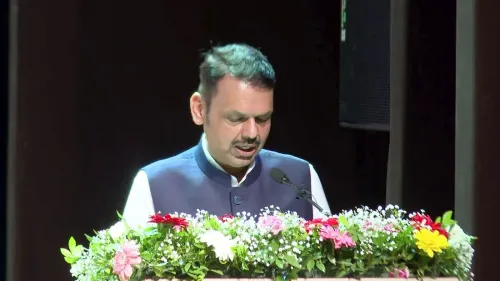
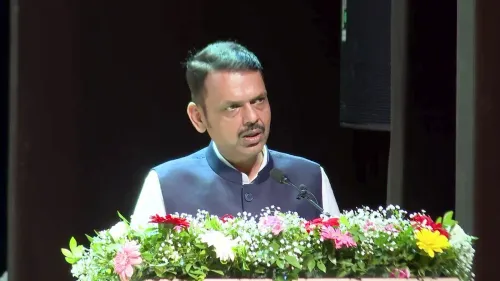
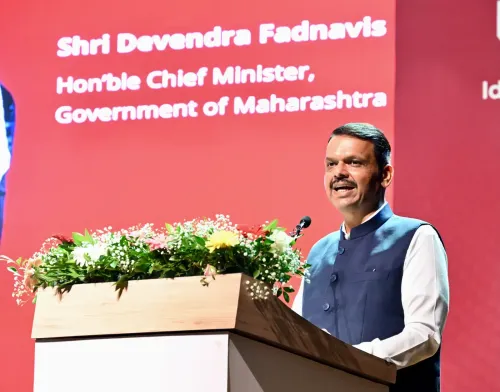
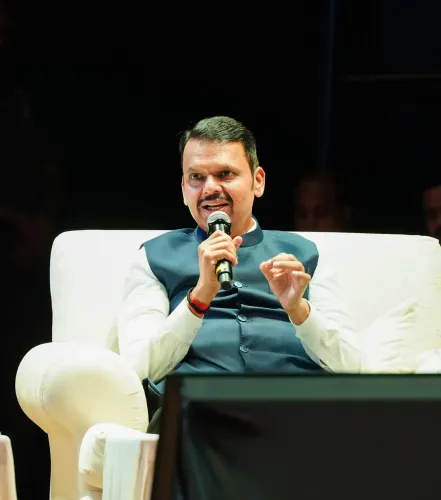
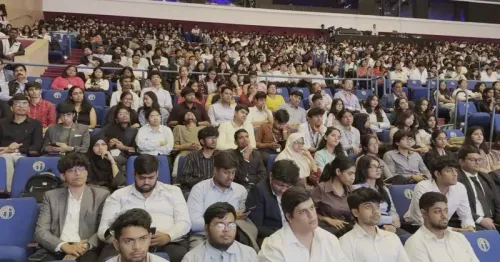
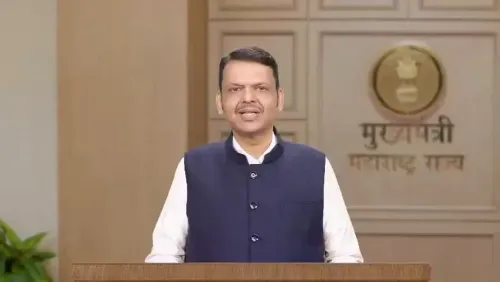
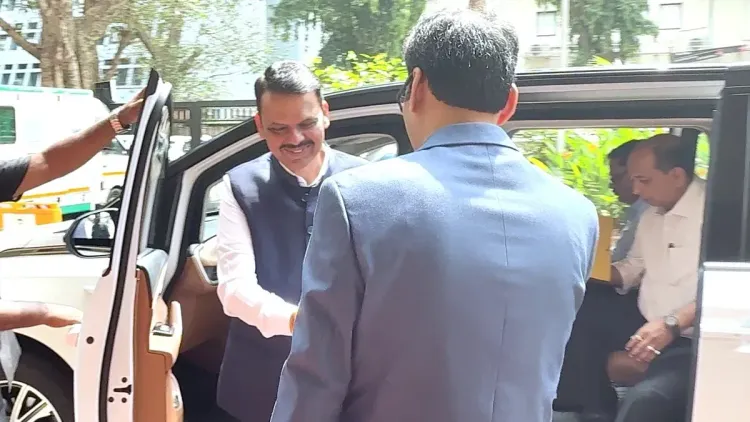
Fourteen thousand students. 4,400 teams. 1,600 project submissions. When Maharashtra Chief Minister Devendra Fadnavis walked into the Governance Challenge 2026 in Mumbai on Wednesday, September 30, he was not entering a routine student competition — he was stepping into what his government is positioning as the seedbed of India's next governance revolution.
What the Governance Challenge actually is
Now in its fourth edition, The Governance Challenge (TGC) describes itself as India's first governance-focused student competition. The 2026 edition drew participation from across the country, with young teams pitching original solutions to real administrative and public-policy problems. Gaurav Goel, Founder and CEO of Samagra — a prominent governance advisory organisation — was among the dignitaries present alongside senior state officials.
CM Fadnavis singled out 'the quality, creativity and confidence' with which students tackled complex governance challenges as the standout feature of this year's edition. The numbers, whatever their final audited tally, signal a competition that has grown well beyond a local showcase.
From prototype to policy: the promise Fadnavis made
The most consequential line in Fadnavis's post was not about scale — it was about destination. Winning ideas and 'other promising solutions,' he said, will be 'explored for implementation, taking them from classrooms to prototypes and from prototypes to real-world impact.' That is a direct signal to Maharashtra's bureaucracy that TGC is not an applause exercise but a pipeline.
This prototype-to-policy pathway sits squarely within the national Viksit Bharat @2047 framework — articulated since 2022 — which calls for youth-driven innovation and governance modernisation to mark India's centenary of independence. Maharashtra's framing is deliberate: the state wants to be the sub-national engine that turns that national ambition into working prototypes first.
Maharashtra's innovation-capital bet
'Make in Maharashtra, Innovate in Maharashtra and Invent for the world' — that three-part slogan from Fadnavis doubles as a policy thesis. The state has consistently aligned youth engagement platforms with its broader startup and skilling agenda, and TGC fits that pattern: a public-private effort (the Samagra partnership is significant here) designed to channel student energy into administrative practice rather than let it dissipate after prize day.
The real test, as always, is follow-through. Whether Maharashtra's departments actually pilot the winning submissions — and whether TGC 2026 produces a traceable case study before the next edition is announced — will determine whether this becomes a model other states replicate or another well-lit stage that dims after the applause.
The ecosystem is being built. The talent is in the room. The question now is whether the corridor between the competition hall and the government office is as short as CM Fadnavis is promising.
Point of View
Fadnavis is making a calculated sub-national pitch: Maharashtra as the state that converts the Centre's Viksit Bharat 2047 rhetoric into demonstrable ground-level experiments. The Samagra partnership is strategically significant — it gives the initiative credibility beyond government optics. The risk is the same one that dogs similar competitions: the gap between a CM's stage promise and a bureaucracy's daily bandwidth. If even two or three TGC solutions enter formal pilot phase before the next edition, the model becomes genuinely exportable to other states; if they don't, TGC remains an impressive annual audition with no second act.
NationPress
30 Sept 2026
Frequently Asked Questions
What is The Governance Challenge 2026?
The Governance Challenge 2026 is a student competition focused on governance solutions, now in its 4th edition, organised with the involvement of governance advisory firm Samagra. It invited teams from across India to pitch ideas addressing real public-administration problems.
How many students participated in TGC 2026?
According to CM Devendra Fadnavis's post, the 4th edition saw participation from over 14,000 students, forming 4,400 teams and submitting 1,600 projects from across the country.
What is Maharashtra's plan for the winning ideas at TGC 2026?
CM Fadnavis stated that winning ideas and other promising solutions will be 'explored for implementation,' moving them from classrooms to prototypes and eventually to real-world policy impact within Maharashtra.
What is the connection between TGC 2026 and Viksit Bharat 2047?
Fadnavis explicitly linked the competition to the national Viksit Bharat @2047 vision, which calls for youth-driven innovation and governance modernisation by India's independence centenary. TGC is framed as Maharashtra's contribution to building that future.
Who is Gaurav Goel and what is Samagra?
Gaurav Goel is the Founder and CEO of Samagra, a governance advisory organisation that works with governments on public-sector reforms. He was present at the Governance Challenge 2026 event in Mumbai.