CM Fadnavis Leads India's 1st Governance Competition in Mumbai
Synopsis
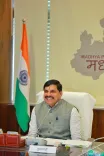
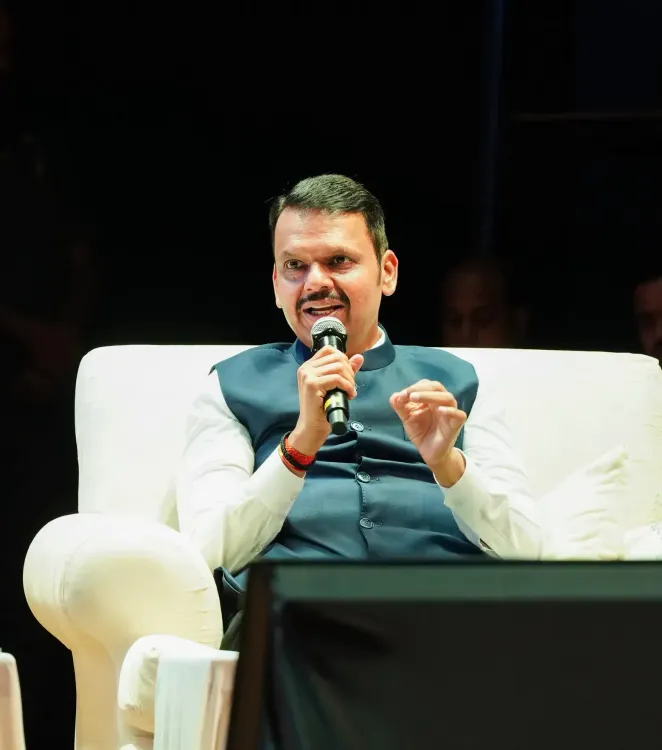
Maharashtra CM Devendra Fadnavis attended The Governance Challenge 2026 in Mumbai on 30 September — billed as India's first governance-centric competition, organised by Samagra under Founder and CEO Gaurav Goel, aimed at surfacing innovative solutions to public administration challenges.
Key Takeaways
The Governance Challenge 2026 (TGC 2026) is described as India's first competition focused exclusively on governance and public administration.
CM Devendra Fadnavis attended as the chief guest at 11:05 a.m. on 30 September 2026 in Mumbai .
The event was organised by Samagra , a governance-focused organisation whose Founder and CEO Gaurav Goel was present.
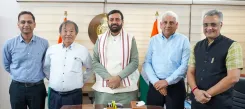
Senior government officials and other dignitaries also attended, signalling institutional support from Maharashtra's administration.
The competition aims to encourage innovative, competitive thinking around real public-sector problem-solving.
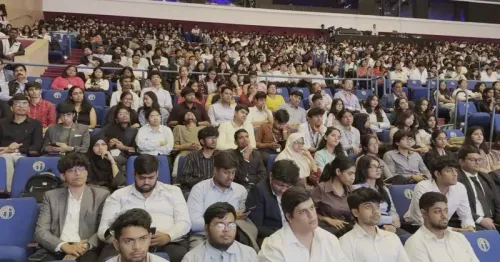
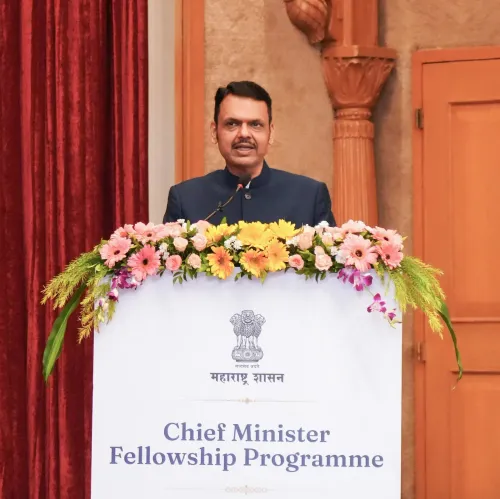
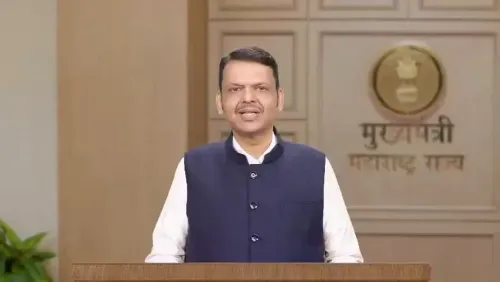
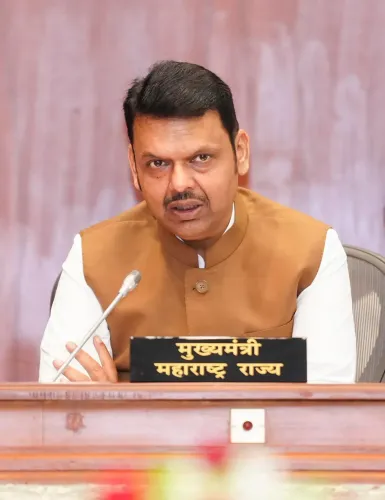
India's first competition dedicated entirely to governance excellence opened in Mumbai on Wednesday, 30 September 2026, with Maharashtra Chief Minister Devendra Fadnavis attending as the chief guest — a signal that the state is putting serious political weight behind the idea of competitive, innovation-driven public administration.
What 'The Governance Challenge 2026' is, and why it matters
The Governance Challenge 2026 (TGC 2026) is billed as India's first governance-focused competition, designed to surface fresh ideas and talent for improving how the state actually delivers services to citizens. The event was organised by Samagra, a public-interest organisation that works at the intersection of government and administrative reform. Gaurav Goel, Samagra's Founder and Chief Executive Officer, was present alongside senior government officials and other dignitaries at the 11:05 a.m. ceremony.
The 'first of its kind' tag is not incidental. India has no shortage of startup competitions or academic olympiads — but a contest anchored specifically to governance design, policy implementation, and public-sector problem-solving occupies a distinct, largely unexplored lane in the country's competitive landscape.
Samagra's track record and Fadnavis's governance agenda
Samagra has carved a niche working directly with state governments on administrative challenges — from education system reforms to public health delivery — functioning as a bridge between policy ambition and ground-level execution. Its choice to host this competition in Maharashtra, under the patronage of CM Fadnavis, reflects both the organisation's operational footprint in the state and Fadnavis's long-standing interest in digital governance and administrative efficiency across his tenures as Chief Minister.
Fadnavis has consistently positioned Maharashtra as a front-runner in e-governance and scheme delivery benchmarks. His presence at TGC 2026 — rather than a delegation of junior officials — underlines that this event carries the Chief Minister's Office's direct endorsement, not just its ceremonial stamp.
The competition format and what comes next
Specific details of TGC 2026's format — the number of participants, problem statements, and judging criteria — have not been officially disclosed in this announcement. What the event has firmly established is its ambition: to institutionalise a culture of competitive thinking around governance, where participants are challenged to crack real public-administration problems rather than theoretical ones.
The immediate question is what follows the competition itself. If TGC 2026 produces concrete policy recommendations or identifies talent pipelines for the civil services, it could evolve into an annual fixture with genuine influence on how Maharashtra — and potentially other states — recruit and reward governance innovators.
India's governance reform conversation has long been dominated by top-down committees and commissions. A competition model, if it takes root, flips that logic — building pressure from the bottom up, one participant at a time.
Point of View
A non-government organisation with a strong reform track record, also reflects the BJP-led state government's comfort with public-private partnerships in the policy space. If TGC 2026 becomes annual and its outputs feed into actual recruitment or policy pipelines, it could quietly shift how India's best young talent views the civil services — not as a career of hierarchy, but of competitive, measurable problem-solving.
NationPress
30 Sept 2026
Frequently Asked Questions
What is The Governance Challenge 2026?
The Governance Challenge 2026 (TGC 2026) is billed as India's first competition focused on governance and public administration, held in Mumbai on 30 September 2026 and organised by Samagra.
Who is Gaurav Goel of Samagra?
Gaurav Goel is the Founder and CEO of Samagra, an organisation that works on governance reforms and public administration challenges, and was a key organiser of TGC 2026.
Why did CM Devendra Fadnavis attend The Governance Challenge 2026?
CM Fadnavis attended as the chief guest, lending the Maharashtra government's direct support to the competition and underscoring the state's focus on administrative innovation.
Where was The Governance Challenge 2026 held?
The event was held in Mumbai, Maharashtra, on 30 September 2026 at 11:05 a.m.
What is Samagra's role in Indian governance?
Samagra is a public-interest organisation that partners with state governments on administrative reforms, working on areas such as education delivery, health systems, and public-sector problem-solving.