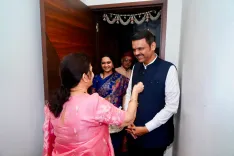
CM Fadnavis Backs SIR, Asks Why Clean Voter Rolls Draw Fire
Synopsis
Maharashtra CM Devendra Fadnavis publicly backed the Election Commission's Special Intensive Revision of voter rolls on 15 October 2026, challenging opponents to explain why they resist removing duplicate entries, deceased voters, and incorrect registrations from Maharashtra's electoral list.
Key Takeaways
CM Devendra Fadnavis posted in Marathi on 15 October 2026 backing the Election Commission of India's Special Intensive Revision (SIR) of voter rolls.
Fadnavis argued SIR targets duplicate registrations, names of deceased voters, and incorrect entries — framing support for it as a test of democratic commitment.
He challenged opponents to explain their resistance, implying that objections to the clean-up serve political rather than democratic interests.
The Election Commission of India conducts such revisions under the Representation of the People Act as a constitutionally mandated exercise before elections.
Opposition parties in Maharashtra are yet to formally respond; their position on the SIR's scope and methodology is being closely watched.
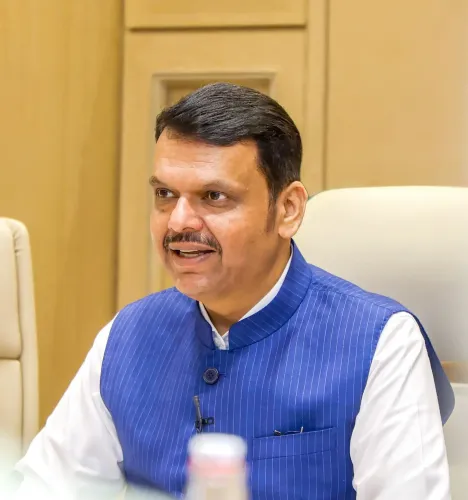
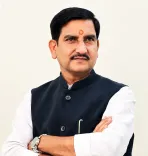
If you want a clean electoral roll, why oppose the very process designed to deliver one? That is the sharp question Maharashtra Chief Minister Devendra Fadnavis put to political rivals on Thursday, 15 October 2026, throwing his full weight behind the Election Commission of India's Special Intensive Revision — the SIR — of voter lists, and daring opponents to explain their resistance.
Fadnavis Frames SIR as a Test of Democratic Intent
Posting in Marathi, Fadnavis laid out a pointed either-or argument. 'स्वच्छ आणि पारदर्शक मतदारयादी हवी, तर SIR ला विरोध का?' — 'If you want a clean and transparent voter list, why oppose SIR?' — he asked. He then drew a direct line between support for the revision and support for democracy itself: those who want duplicate entries removed, dead voters struck off, and every eligible citizen's franchise protected should welcome the SIR, he argued. Those who object, by implication, have a stake in keeping the rolls impure.
The post catalogued precisely what SIR is meant to fix: duplicate registrations, names of deceased voters, and incorrect entries that distort the authentic will of the electorate. Fadnavis closed with a direct challenge — asking opponents to state plainly what role they play when they resist a transparent verification process designed to protect eligible voters.
What the SIR Process Actually Involves
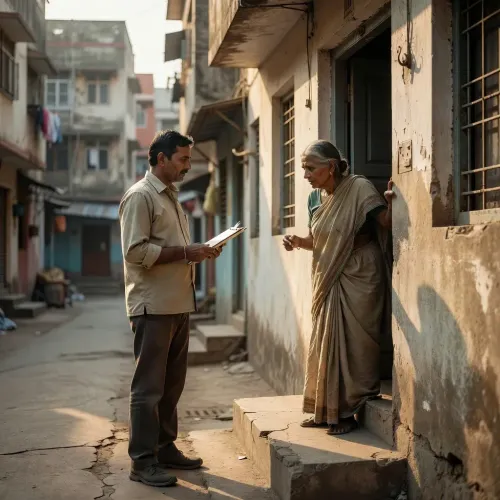
The Election Commission of India conducts both summary and intensive revisions of electoral rolls under the Representation of the People Act as a standard constitutional exercise before assembly and parliamentary elections. An intensive or 'special' revision involves booth-level officers going door-to-door to verify registrations, add new eligible voters, and delete entries that no longer qualify — through death, relocation, or disqualification. The process is legally mandated and has been carried out across Indian states for decades.
The precise scope, timeline, and methodology of the current SIR in Maharashtra are subject to formal ECI orders. What is well-established is the pattern: such exercises routinely become flashpoints in Indian politics, with ruling parties championing the clean-up and opposition formations raising concerns about procedural fairness, the pace of deletions, or the risk that legitimate voters could be excluded during intensive verification drives.
The Political Fault Line in Maharashtra
Fadnavis's post lands in a state with one of India's largest and most contested electorates. Maharashtra has a history of closely fought elections where voter-roll accuracy carries real consequence — a single constituency can turn on a few hundred votes. By framing the SIR debate as a binary choice between electoral hygiene and political convenience, Fadnavis is putting opposition parties in a bind: either endorse the revision and legitimise it, or continue opposing it and absorb the charge that they prefer a flawed list.
The broader national pattern holds here too. Parties that find themselves ahead in registration numbers tend to welcome intensive revisions; those who fear net deletions from their base tend to push back. The SIR debate in Maharashtra is, in that sense, a proxy argument about which communities will see the sharpest churn in the rolls — and which parties stand to gain or lose.
Responses from opposition parties and formal ECI communication detailing the SIR's scope will define the next chapter of this debate. But Fadnavis has already set the terms: defend your opposition, or stand aside.
Point of View
Converting what could have been a dry administrative debate into a values argument: if you oppose cleaning the rolls, what exactly are you protecting? This framing has become a standard BJP playbook on electoral process issues — occupy the 'pro-transparency' high ground and force rivals to defend a position that sounds obstructionist. In Maharashtra's hyper-competitive political landscape, the SIR row is also a preview of the ground-level battle over voter registration, where every deletion and addition carries electoral consequence. The real test will come when ECI releases the operational details of the SIR — that is when the opposition will have concrete numbers, not just principles, to argue over.
NationPress
15 Oct 2026
Frequently Asked Questions
What is the SIR in the context of Maharashtra elections?
SIR stands for Special Intensive Revision — an Election Commission of India exercise that involves booth-level verification of voter rolls to remove duplicate entries, names of deceased voters, and incorrect registrations, and to add newly eligible citizens.
Why is Devendra Fadnavis supporting the SIR?
Fadnavis has argued that the SIR is essential for a clean, accurate, and transparent voter list. On 15 October 2026, he publicly backed the process and challenged those opposing it to explain their resistance.
Who is opposing the SIR in Maharashtra?
Fadnavis's post implies political parties and figures who have raised objections to the electoral roll revision process, though he did not name specific opponents. Formal opposition responses are yet to emerge publicly.
Is the Election Commission's voter roll revision legal?
Yes. The Election Commission of India conducts both summary and intensive revisions of electoral rolls under the Representation of the People Act — a constitutionally mandated process carried out regularly before elections across all Indian states.
What happens if voters are wrongly deleted during a SIR?
Concerns about wrongful deletion are a standard objection raised during intensive revisions. Citizens have the right to file claims and objections during the revision window, and the ECI is required to provide a public notice period for corrections before finalising the rolls.